
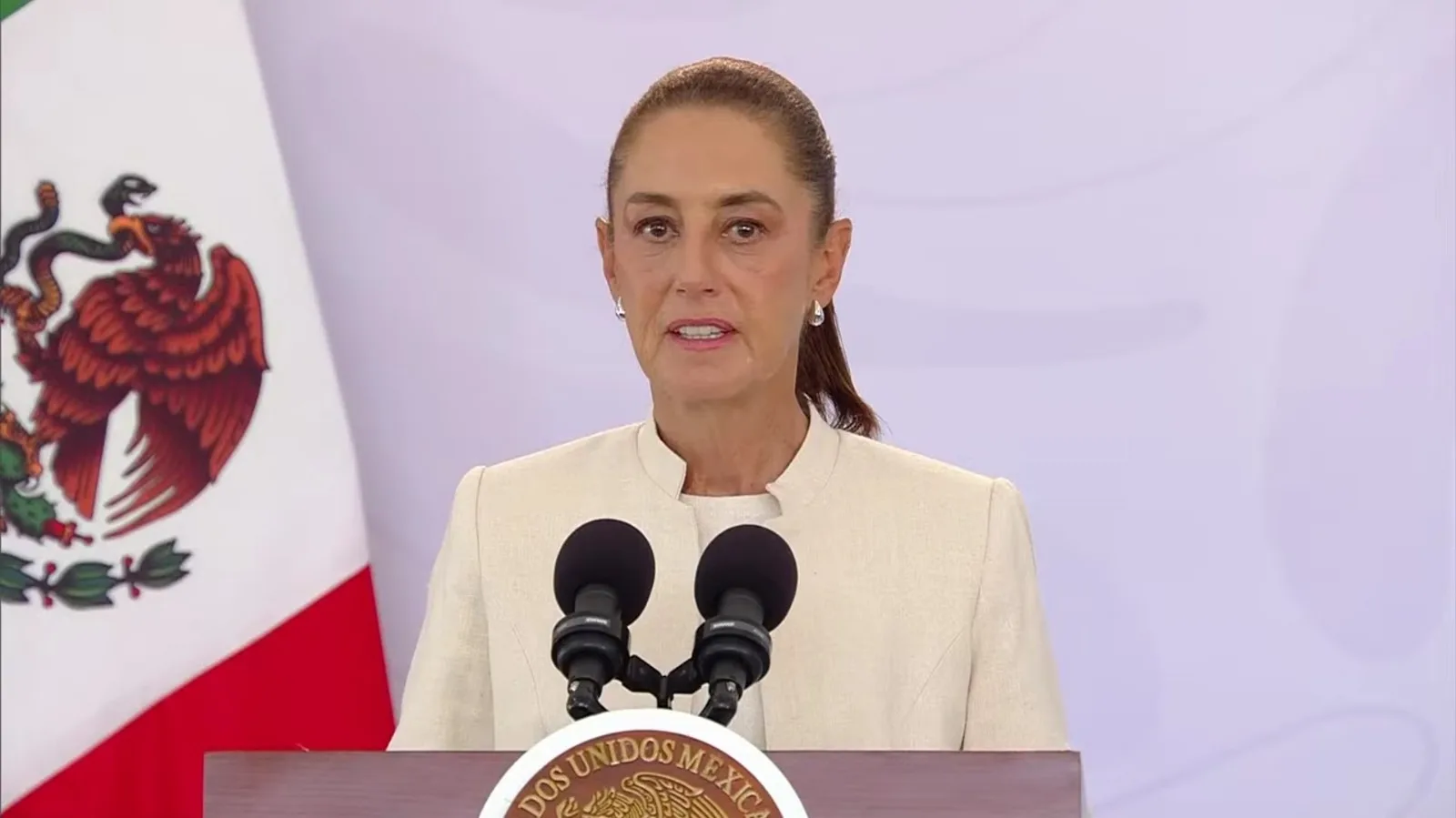
Villahermosa, Tabasco — President Claudia Sheinbaum said Mexico is pressing the United States to reduce tariffs on steel and automobiles, framing the negotiations as a bid to win fairer terms for two key industries.
Speaking at her daily morning press conference in Villahermosa, Sheinbaum reaffirmed her government’s position ahead of a new round of bilateral talks. She said the central goal is to improve Mexico-US trade by lowering tariff barriers in priority industrial sectors, particularly steel and automobiles.
Talks Aim to Avoid New Tax Burdens
Officials said the current negotiations seek to consolidate an even exchange without imposing additional fiscal charges that would undermine regional competitiveness. Mexican authorities have set firm limits at each working session, they added.
Sheinbaum said territorial sovereignty, the constitutional framework and national autonomy are non-negotiable pillars that will not be subject to shifting concessions.
Economic Integration With National Sovereignty
Both countries have held frequent meetings to refine trade mechanisms without harming sovereignty or the existing trade agreement. Mexico remains the largest trading partner of the United States, leading in purchases of inputs and a range of goods.
The government’s plan calls for redirecting global imports to strengthen the regional value chain and balance the trade relationship, according to officials.
Automotive and Steel Sectors Await Certainty
Economy Secretary Marcelo Ebrard will lead the next round of diplomatic working meetings in Washington. The Mexican delegation will take an active part in multilateral gatherings aimed at reaching solid agreements that give the automotive and steel industries certainty before the end of the year.
Officials said regulatory certainty would spur productive investment and formal employment in both countries.
Outlook for a Bilateral Deal
Despite the complexity of the discussions, Mexico’s economic team expressed optimism about the progress achieved. Both nations acknowledge a shared need to strengthen the region in the face of other global blocs, and officials said constructive dialogue will continue without interruption in the coming weeks.
More Economy
- TUCSA Cuts Playa del Carmen Public Transit Fleet to 56 Buses
- Holbox Hotels Project 80% Holiday Occupancy After Island’s First Michelin Key
- Quintana Roo Expands State Scholarships by 21%, Reaching 15,682 Students
- UT-Chetumal Prepares Aeronautics Degree to Meet Labor Demand
- Tulum Airport to Add Direct Flights to Five Canadian and U.S. Cities