
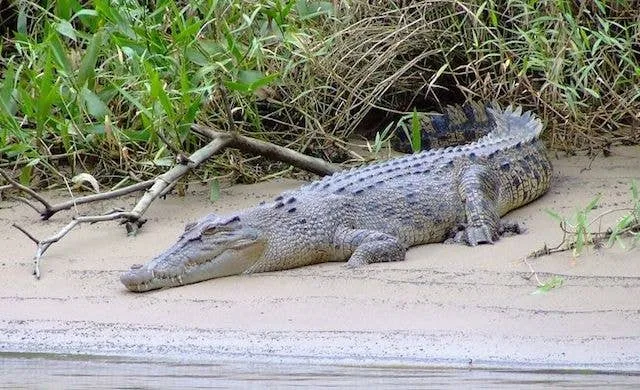
Cozumel, Quintana Roo — A rise in crocodile sightings along Cozumel’s coastlines and marinas does not necessarily mean the animals are overpopulating the island, biologist Rafael Chacón said. The increase is more likely tied to heavy rains, higher temperatures, disrupted habitats, mangrove destruction and the practice of feeding the reptiles, he explained.
Chacón said crocodiles often use the sea as a corridor to move between wetlands during the rainy season. Those movements allow them to search for food, mates or areas with better conditions, raising the odds that people will spot them in places where they are not usually expected.
Feeding the Animals Alters Their Behavior
The biologist warned that feeding crocodiles is one of the practices the public should avoid, because it can change the animals’ natural behavior and condition them to associate humans with food. He urged residents and visitors to keep their distance and let the reptiles continue on their way without being disturbed.
He noted that crocodiles normally stay away from people, and that some incidents may be linked to humans approaching them or to earlier changes in their behavior. He also pointed to the transformation of mangroves and other natural areas, which shrinks or alters the territory used by wildlife.
Chacón asked the public to view the sightings as part of living alongside species that are native to Cozumel, rather than assuming their presence automatically signals an out-of-control population boom.
“They already lived here; we humans are the ones who arrived in their environment,” he said, stressing the need to respect the animals’ space and, above all, to stop feeding them.
More Environment
- Quintana Roo Whale Shark Season Closes With Up to 400 Sightings
- Mara Lezama Unveils Quintana Roo Sustainable Tourism Master Plan Through 2050
- Semarnat Denies Permit for Secrets Moxché Coastal Project in Playa del Carmen
- Cozumel Beach Club Injury: New Reports Identify Worker, but Crocodile Link Remains Unconfirmed
- Unicaribe Students Mark One Year Monitoring Sian Ka’an Biosphere Reserve
More Cozumel
- Witness Alleges Sea Turtle Eggs and Hatchlings Taken From Nests at Cozumel’s Chen Río
- Environmentalists Urge Crackdown on Jet Skis in Cozumel Reef Zones
- Young Man Loses Arm at Cozumel Beach Club in Suspected Crocodile Attack
- Cozumel Submarine Power Cable to Be Installed Oct. 5 After 40-Year Wait
- Cozumel Reports Alcohol and Drug Use Starting at Age 11