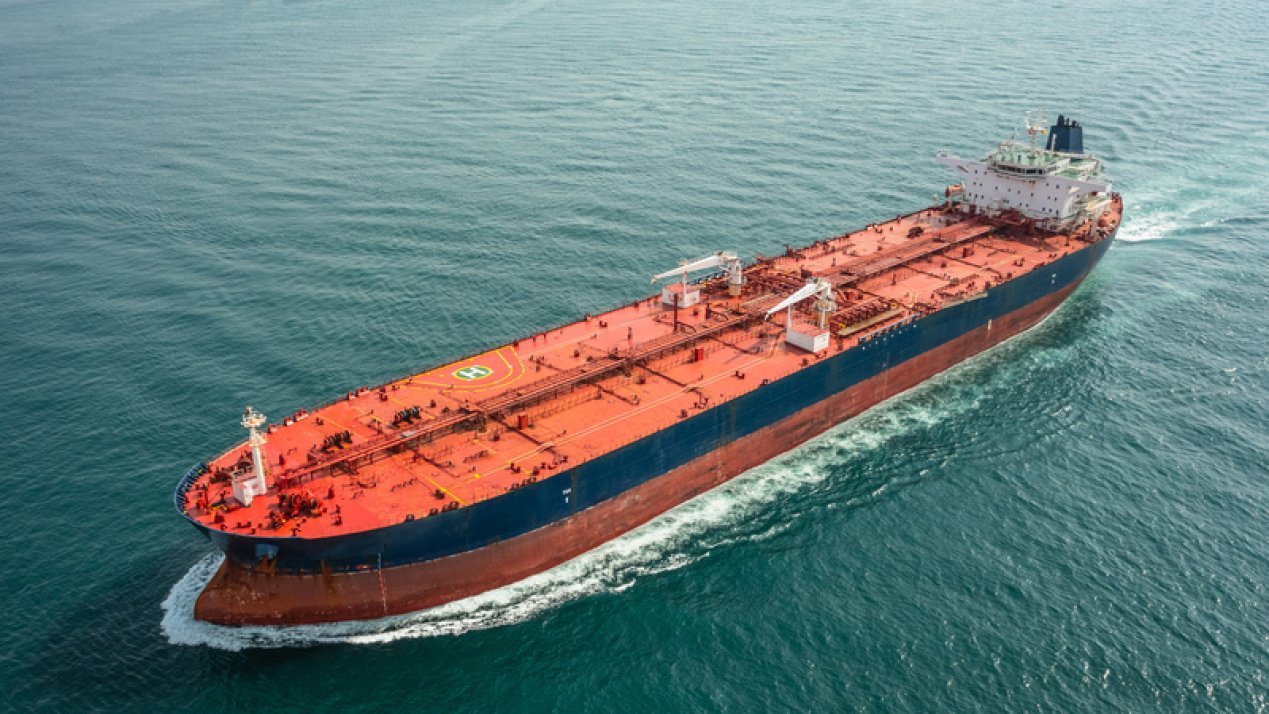
Mexico City — Mexico has resumed shipping diesel to Europe after a seven-year absence, taking advantage of sharply higher prices as war and refinery disruptions tighten fuel supplies across the continent.
A tanker carrying nearly 300,000 barrels of ultra-low-sulfur diesel produced by state oil company Pemex was scheduled to arrive in Spain before the end of August, according to vessel-tracking data from maritime analytics firm Kpler.
Spain is not the first European destination to receive Mexican diesel this year. Earlier cargoes reportedly traveled to France and Italy, marking Mexico’s return to the European market for the first time since 2019.
The shipments represent an unusual reversal for a country that has historically exported crude oil while importing much of the gasoline and diesel needed at home. However, they do not mean Mexico has become self-sufficient in transportation fuel or stopped importing diesel.
Instead, the trade reflects two changes occurring at the same time: Mexico is producing more diesel in its own refineries, while global shortages have made the long journey to Europe commercially attractive.
Europe searches farther afield for diesel
European fuel supplies have tightened considerably during 2026.
The war involving Iran has disrupted refineries and shipping through the Strait of Hormuz, one of the world’s most important oil routes. At the same time, Ukrainian attacks on Russian refineries prompted Russia to halt diesel exports, further reducing the amount of fuel available internationally.
European diesel imports declined from 1.97 million barrels per day in January to 1.56 million in July, according to market data. By August, diesel prices in Europe had risen above jet-fuel prices for the first time in more than a year. The International Energy Agency reported that Middle Eastern export disruptions and attacks on Russian refineries had pushed Atlantic Basin refining margins to record highs.
Those higher prices changed the economics of transporting Mexican diesel across the Atlantic. A route that would ordinarily be too expensive became profitable as European buyers searched for alternative suppliers.
Mexico’s shipment is small compared with Europe’s overall fuel demand, but it illustrates how quickly established energy routes can change when major suppliers are removed from the market.
Mexican refineries are producing more fuel
The exports also come as Pemex reports a substantial improvement in domestic refining.
Mexico’s National Refining System processed an average of 1.14 million barrels of crude oil per day during the first quarter of 2026, a 22.2 percent increase over the same period last year and its highest quarterly volume in 11 years.
Diesel production reached an average of 286,000 barrels per day, up 69.9 percent from the first quarter of 2025. Gasoline production increased 29.6 percent to 390,000 barrels per day. Pemex attributed much of the increase to higher output at the new Olmeca refinery in Tabasco and improved operations at the Tula refinery.
The Olmeca facility, commonly known as the Dos Bocas refinery, began sending ultra-low-sulfur diesel to markets in the United States and Caribbean before the latest European shipments. Its growing production has helped reduce Mexico’s dependence on imported fuel, although the refinery has taken considerably longer and cost more to complete than originally projected.
Mexico imported about 42,300 barrels of diesel per day in January, down from nearly 129,000 barrels per day during the same month in 2025. Imports increased during subsequent months but remained well below recent levels.
Pemex said its overall fuel imports fell 23.3 percent during the first quarter.
Mexico is still importing more fuel than it exports
The European shipments are significant, but they should not be interpreted as proof that Mexico has developed a large and permanent diesel surplus.
Pemex continues to import refined products, particularly from the United States, to meet domestic demand and compensate for differences in refinery output, regional distribution and fuel specifications. Mexico may even import replacement diesel while exporting locally produced fuel when prices in Europe make that trade more profitable.
Pemex also remains under considerable financial pressure. The company reported a net loss of approximately $2.6 billion for the first quarter of 2026, while carrying about $79 billion in financial debt and another $20.8 billion owed to suppliers. Declining production from older oil fields remains another challenge.
Still, the reduction in imports is real. Greater refinery output means Mexico is processing more of its crude oil domestically instead of exporting it and buying back finished products.
Whether shipments to Europe continue will depend heavily on international prices. If Russian exports resume or Middle Eastern supply routes stabilize, the cost of crossing the Atlantic could again make Mexican diesel less competitive.
For now, the cargo arriving in Spain is best viewed as an important but limited milestone. Mexico remains a major fuel importer, but rising domestic production has given Pemex enough flexibility to participate in a European market suddenly willing to look much farther from home for diesel.
More Economy
- Starbucks Exits Tulum: Why the Hotel Zone Is Losing Its Buzz
- Cancún Brings Electricity to Three Popular Neighborhoods With 358 New Meters
- Funeral Services in Cancún Can Top 100,000 Pesos, Workers Say
- Riviera Maya Forum Pushes Caribbean Mexico Toward Regenerative Tourism
- Coparmex Quintana Roo Prepares Businesses for Shorter Workweek