Playa del Carmen, Quintana Roo — Mexico’s medical expenses insurance sector is grappling with steadily rising healthcare costs, a trend that has put financial sustainability at the center of a debate between insurers and policyholders trying to preserve medical protection without losing family affordability.
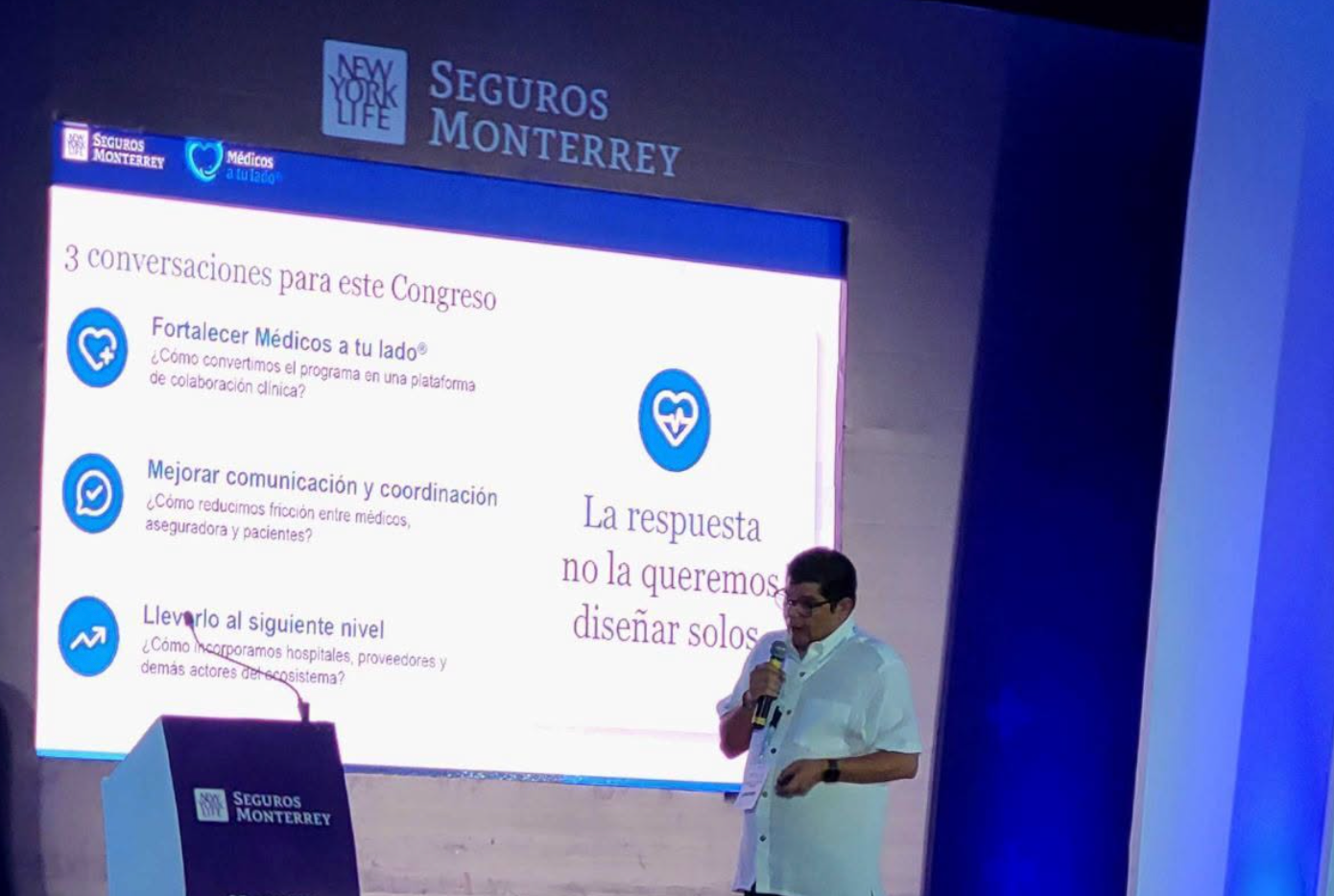
“This trend is global, and so is this problem. It is happening all over the world, Mexico is no exception, and as a company neither are we,” said Gabriel Moraes, operations director at Seguros Monterrey New York Life.
“There are several factors behind the increase in premiums. It is a consequence of the cost of healthcare and medical inflation, which is the basis for calculating what we call claims — all the claims we pay — and it is the basis for setting the premium year after year,” he added.
To contain costs, Moraes said the company is exploring alternative management models, including initiatives such as the “Médico a tu lado” (Doctor by Your Side) program, whose second congress was held in recent days in Playa del Carmen, as well as second-opinion schemes and bundled payments aimed at reducing price variability and aligning incentives with efficient health outcomes.
He noted that among the factors driving costs are rapid advances in medical technology and inefficiencies such as unnecessary surgeries or wide variations in hospital charges, which have pushed medical inflation well above general inflation.
The sustainability of private financing reverberates across the national health system, Moraes said. When costs exceed what users can afford, pressure mounts on public service infrastructure, and the shrinking number of people with private coverage highlights the urgency of finding sustainable solutions.
“In the last year we have lost a million policyholders in the private sector, and this is not only a private-sector problem. It also hits the public sector, because as fewer people have access to financing from a private institution, they will seek healthcare through the public sector, and that will generate more pressure on all the resources the public sector has to allocate,” he warned.
Guaranteeing an accessible insurance system requires cost transparency and collaboration across sectors, he emphasized, adding that only financial efficiencies will cushion the inflationary impact over the long term.
More Economy
- Quintana Roo Public Works Department Seeks 10 Billion Pesos for Road Repairs in 2027
- Airline Seat Cuts Threaten US Connections to Mexico’s Caribbean Coast
- Yucatán Leads Mexico’s Octopus Production With More Than 28,000 Tons
- Business Leaders Urge Quintana Roo to Halt Non-Resident Fee Increase
- Holbox Revenue Helps Fund Services in 40 Lázaro Cárdenas Communities
More Playa del Carmen
- Playa del Carmen Delivers 88 Birth Certificates to Residents Without Legal Identity
- Playa del Carmen Reports Suspected Dengue Cases, Reinforces Prevention
- Deer at Calle 88 Raises Alarm Over CFE Cozumel Cable Plan
- Hurricane Isaias Disrupts Water Sports Services in Playa del Carmen
- Playa del Carmen Seeks Alternative Event After Jazz Festival Suspension