
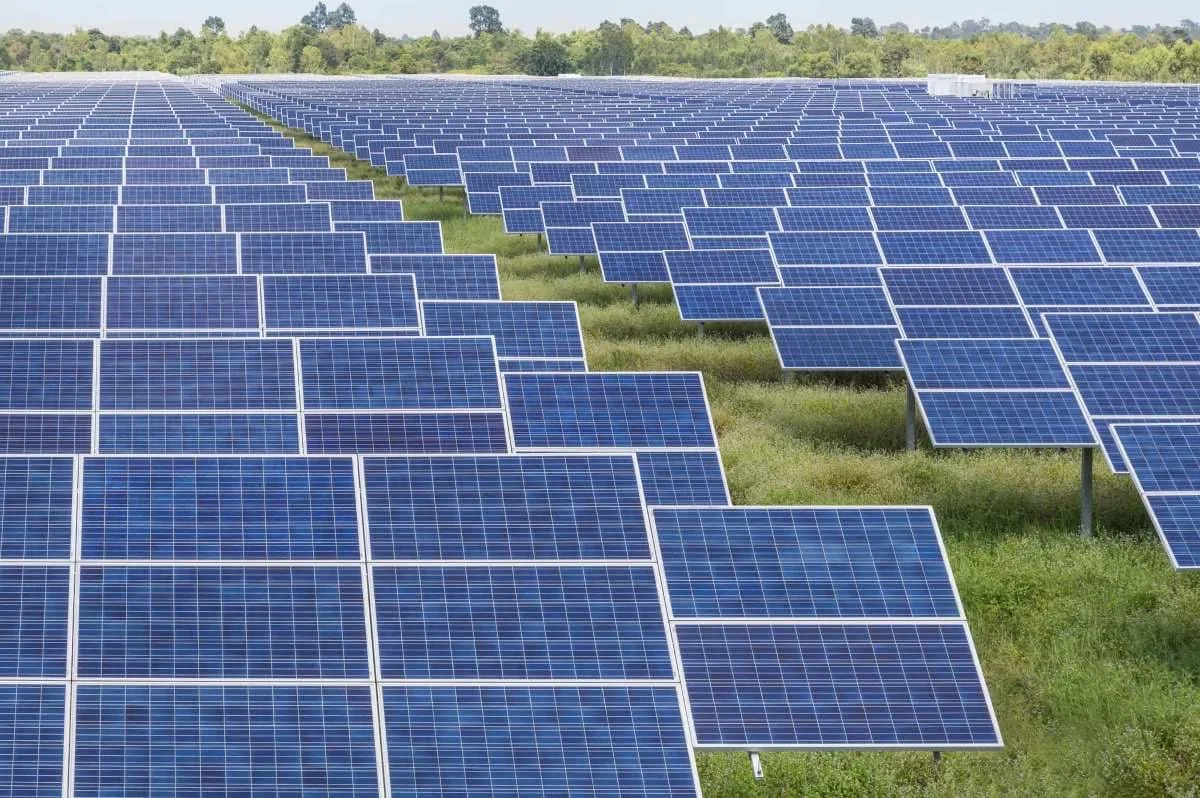
Muna, Yucatan — After seven years of resistance, Maya communities have permanently halted two of the largest solar projects planned for Yucatan. The Ticul A and Ticul B mega solar parks were canceled after environmental authorities revoked permits that would have allowed construction and operation for four decades.
The ruling is a victory for the communities of San Jose Tipceh and Planchac, which have been fighting since 2019 to stop the developments. The projects would have installed 1,183,500 solar panels across 603 hectares of forest in the municipalities of Muna, Sacalum, and Ticul.
According to the Mexican Center for Environmental Law (Cemda), the permits were granted based on fragmented environmental impact assessments that failed to consider the combined ecological, social, and cultural consequences of both projects.
Among the potential harms identified were forest fragmentation, damage to protected flora and fauna, disruption of pollination by bees and bats, reduced aquifer recharge, water access problems, increased local temperatures, greater vulnerability to hurricanes, hazardous waste generation, and restricted access to ancestral lands for Maya communities.
The legal battle progressed through several courts. In 2023, a collegiate tribunal granted a definitive suspension preventing construction. In November 2025, another court ruling nullified the permits that allowed deforestation and 40 years of operation. Finally, in April 2026, the General Directorate of Environmental Impact and Risk (DGIRA) issued administrative resolutions revoking the environmental and land-use permits for the projects, known as Vega Solar 1 and Vega Solar 2, making the cancellation final.
Cemda said the decision upholds indigenous communities’ rights to a healthy environment, respect for their territory and natural heritage, and access to information and participation in decisions affecting their way of life.
The case sets a national precedent for future energy projects, requiring authorities to conduct comprehensive environmental assessments and respect indigenous collective rights before approving large-scale developments.
The cancellation of Ticul A and Ticul B adds to recent court rulings protecting territory in Yucatan, strengthening legal defenses for communities facing projects with major environmental impacts.
More Courts
- Iván Mondragón Released From Prison in Cancún Child Abduction Case
- Quintana Roo Governor Opens 2026 Notarial Certification Course as Profession Marks 50 Years
- No Date Set for Supreme Court Ruling in Quintana Roo Border Dispute
- Ex-Playa del Carmen Mayor Lili Campos Joins Mexico City Prosecutor’s Office Amid Quintana Roo Probes
- Judge Orders Federal Prosecutors to Accept Complaints From Mothers of Mexico’s Disappeared