Playa del Carmen, Quintana Roo — A proposal to regulate the creation of Barrios Mágicos in Quintana Roo is gaining attention as architects and state lawmakers look for ways to diversify tourism beyond beaches, resorts, and traditional visitor corridors.
The College of Architects of the Riviera Maya is working with state deputies María José Osorio Rosas and Hugo Alday Nieto on a bill that would create a legal framework for Barrio Mágico districts under Quintana Roo’s urban development and land-use laws.
Manuel Barrero Gutiérrez, president of the architects’ college, said the goal is to move the concept beyond a tourism label and connect it with planning, zoning, public space, residential life, commerce, and urban identity.
The federal Tourism Ministry launched the Barrio Mágico program as an urban complement to the better-known Pueblos Mágicos model. Instead of designating entire towns, the program recognizes specific neighborhoods or historic districts that reflect the character of a city through culture, architecture, gastronomy, traditions, local businesses, public spaces, and community life.
Chetumal’s historic center was named the first Barrio Mágico in Mexico in late 2022, becoming the pilot example for the program. The area highlights the capital’s history as Payo Obispo, its Caribbean and border identity, murals, museums, monuments, historic buildings, the Bay Boulevard, and stories tied to the Caste War, trade with Belize, and the rebuilding of the city after Hurricane Janet.
For Quintana Roo, the idea has special importance. The state is known internationally for its beaches, but cities such as Chetumal, Playa del Carmen, Cancún, Cozumel, Tulum, and Felipe Carrillo Puerto all have neighborhoods with local character that are often overlooked by visitors. A Barrio Mágico designation could help direct attention, investment, and tourism promotion toward those urban spaces.
“We are discussing the Barrio Mágico concept, which is very important and interesting for capital cities,” Barrero Gutiérrez said. “Chetumal’s historic center was named the first Barrio Mágico in the country. We have been talking about several issues… we have to find ways to generate other types of tourist spaces.”
The proposed legislation would help define how neighborhoods apply, what technical criteria must be met, and how local governments would manage the designation. For architects and urban planners, that matters because a successful Barrio Mágico cannot depend only on murals, signage, and marketing. It also requires walkability, lighting, safety, mobility, accessibility, commercial zoning, residential balance, public space, maintenance, and protection of the elements that make a neighborhood worth visiting in the first place.
Barrero Gutiérrez said proper commercial and residential zoning would be essential. Without it, the designation could create pressure on neighborhoods without giving residents and businesses the infrastructure needed to support more visitors.
The architects’ college is also participating in legislative working groups and open parliament sessions, including discussions connected to Article 49 of state law. One priority is the review of Quintana Roo’s condominium law, with the college’s legal team preparing technical proposals.
“What we are seeking is for the laws to be adjusted to what Playa del Carmen needs, specifically in our municipal seat,” Barrero Gutiérrez said.
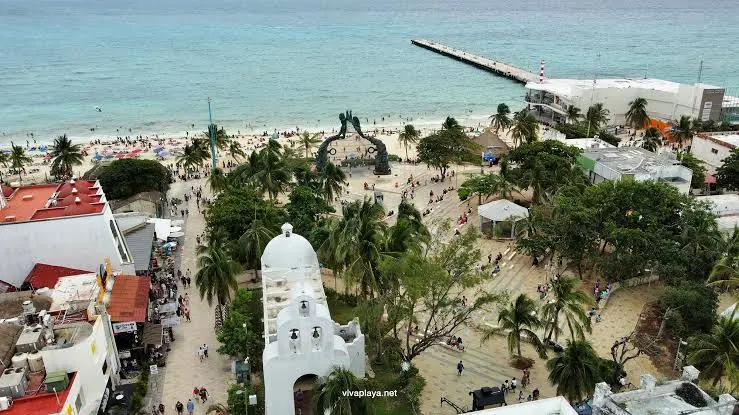
The conversation comes as Playa del Carmen continues to grow quickly, with pressure on housing, mobility, public services, commercial zones, and historic identity. A Barrio Mágico model could give the city a tool to improve and promote specific areas, but only if the designation is tied to clear planning.
Urban sustainability is also part of the discussion. Barrero Gutiérrez noted that current regulations require at least 40% of a property’s area to be preserved as vegetation, with priority given to native plants. He also proposed using spaces under highway bridges for parks and green areas, a strategy used in other large cities, and installing fountains or visual improvements at major intersections to improve the image of urban corridors.
The larger question is whether Quintana Roo can use tourism designations to improve cities for residents first, and visitors second. If done well, a Barrio Mágico program could support small businesses, preserve local identity, improve public spaces, and create new reasons for visitors to explore beyond the beach.
If done poorly, it risks becoming one more label without the planning needed to make it work.
More Tourism
- Cancún’s Protected Natural Areas See Tourism Slump, With 600,000 Visitors Expected in 2026
- Cancún Bets on Health Tourism With New Forum
- Quintana Roo Expects 25% Surge in Cancún Flights Starting October
- Tourist Boat Traffic Plunges 30% in Quintana Roo Ports
- Tulum Tour Guides Pin Recovery Hopes on Cruise Ships and Year-End Holidays
More Playa del Carmen
- Canaco-Servytur Seeks Tax Incentives for Sargassum Management in Quintana Roo
- Two Suspected Drug Dealers Arrested in Playa del Carmen
- Teen Pianist Amir Akil Makes Debut in Playa del Carmen With ‘Fractales del Viento’
- Up to 20 Sanctioned Offenders a Day Perform Community Service in Playa del Carmen
- Online Escort Ruse Ends in Attempted Robbery in Playa del Carmen