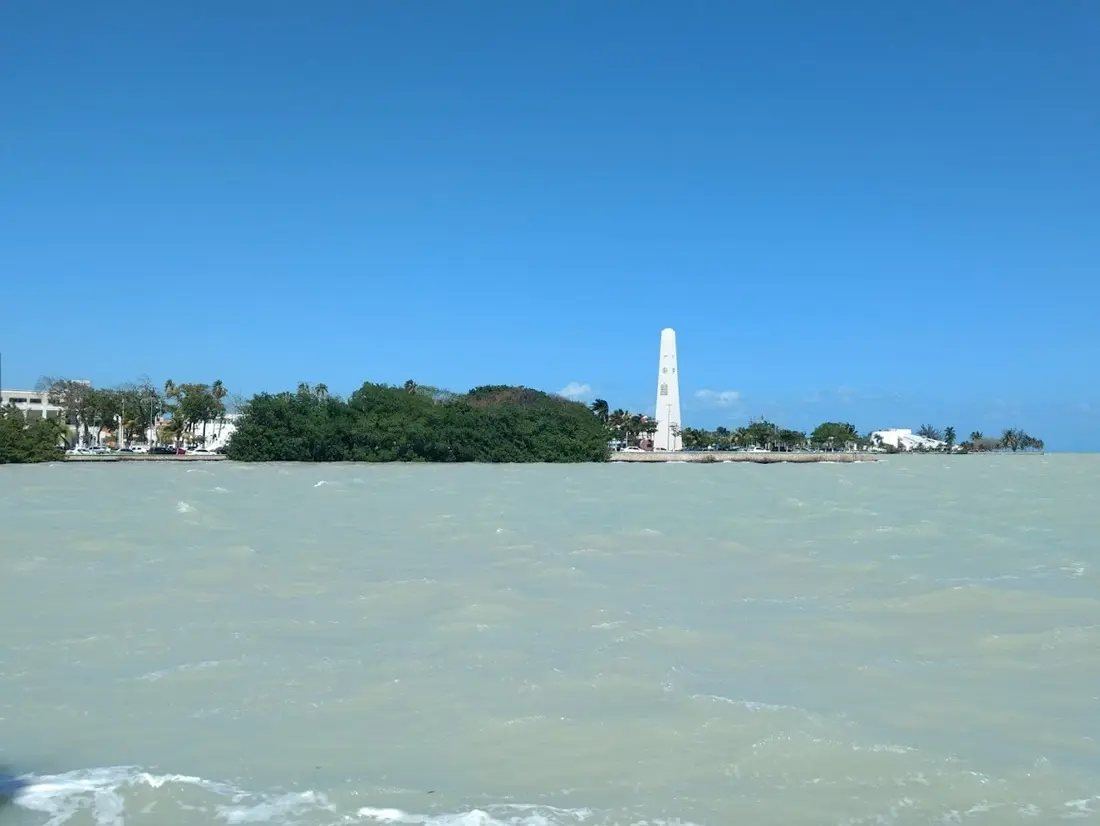
Chetumal, Quintana Roo — Pollution from agricultural chemicals has stalled fishing and aquaculture projects in Chetumal Bay, forcing authorities to conduct urgent water quality studies before any new permits can be issued.
Jorge Aguilar Osorio, head of the state’s Secretariat of Agricultural, Rural and Fisheries Development (Sedarpe), said the main contaminants are agrochemicals from active farming areas in southern Quintana Roo and along the banks of the Rio Hondo.
Runoff from sugarcane cultivation continuously carries fertilizers and other agricultural inputs into the river, which then empties into the bay, Aguilar Osorio explained.
“All this runoff from the agricultural zone ends up in the Rio Hondo and flows into the bay, generating excesses of certain contaminants,” he said.
Before any new aquaculture projects can move forward, officials must first guarantee the water is safe. Sedarpe is working with the Mexican Institute for Sustainable Fisheries and Aquaculture Research (IMIPAS) to conduct comprehensive water quality tests.
Although there is no scientific evidence yet proving that consuming local seafood is harmful, Aguilar Osorio stressed that verifying the safety of the bay’s products is essential for any fishing project.
Federal authorities have placed regulatory restrictions on new projects inside the bay due to the contamination. Officials are now exploring alternative sites, such as Laguna Guerrero.
One stalled initiative is a blue crab hatchery and marketing program. The blue crab is a signature species of Chetumal Bay but lacks specific regulations. The project aims to boost reproduction, ensure legal harvesting, and improve commercialization through fishing cooperatives.
All fishing projects are also subject to strict regulations because Chetumal Bay is a protected natural area under the category of the Manatee Sanctuary State Reserve.
To address the root cause, Sedarpe is promoting the creation of biofactories to reduce the use of toxic inputs and inorganic fertilizers in regional agriculture.
Aguilar Osorio said a meeting with the National Commission of Aquaculture and Fisheries (Conapesca) is scheduled for late June to decide whether to continue or redesign the blue crab project.
Meanwhile, between November 2025 and February 2026, the state’s Institute of Biodiversity and Protected Natural Areas (Ibanqroo) conducted continuous sampling in the Manatee Sanctuary. The monitoring included biological variables such as weight, size, and sex of organisms, as well as an assessment of fishing effort in the area.
More Environment
- Two Atlantic Low-Pressure Areas Watched; One Shows 40% Cyclone Chance
- Tren Maya Freight Complex in Chetumal to Break Ground in 2027
- Lawmakers Propose One Tree Every 15 Meters in New Quintana Roo Developments
- Bacalar Aims to Show the World Its Appeal Goes Beyond the Lagoon
- Quintana Roo Weighs Permanent Revocation of Permits for Legacy by Awa Playacar After Closure Seals Broken
More Chetumal
- More Than 200 Children Evacuated From Chetumal Daycare After Electrical Fault
- Quintana Roo Prisons Add Digital Visit Booking and Family Spaces
- Bamboo Growers From 13 Mexican States Form National Association
- Chetumal Chef Kevin Chávez to Represent Mexico at S.Pellegrino Young Chef Regional Final
- Diocese of Cancún-Chetumal Warns of Man Posing as a Priest in Chetumal