
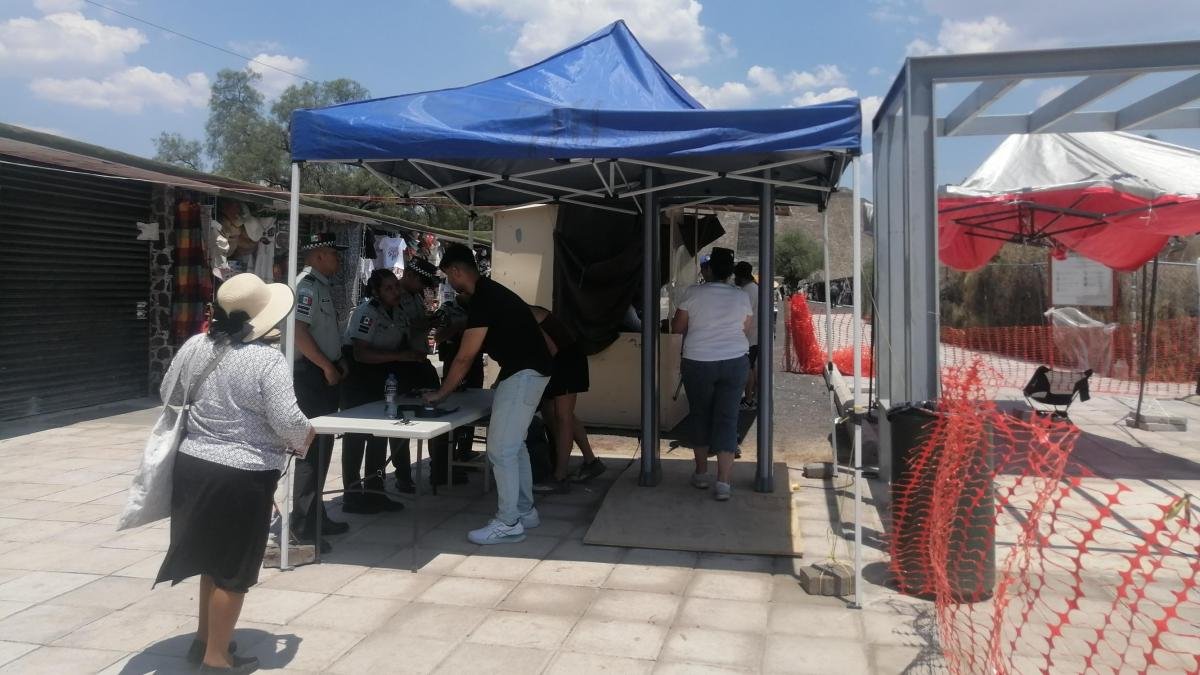
Mexico City — The National Institute of Anthropology and History (INAH) has no comprehensive security plan for archaeological sites, museums, and cultural venues ahead of the 2026 FIFA World Cup, which begins in 43 days, according to Bolfy Cottom, an INAH researcher and public policy expert.
Cottom criticized the Culture Sector Program 2025-2030, published by the current administration, for failing to address security measures. “It’s very unfortunate that in the Sector Program, which the administration touted for its diagnosis, not a single paragraph is dedicated to security measures in archaeological sites, site museums, and cultural venues, despite knowing we would host a sporting event like the World Cup,” he said.
The researcher also noted that every six years, INAH is pressured to open new archaeological sites without adequate preparation. “The institute is almost forced each term to deliver a list of sites it will open to the public. But it’s rarely asked if it’s ready, if it has staff, infrastructure, or security protocols,” Cottom said.
He warned of a “tremendous crisis in educational processes,” saying education is not countering waves of hate, xenophobia, racism, anti-immigrant, and anti-tourist sentiment, which he called “delicate.”
Cottom argued that the cultural sector has long been neglected. “The creation of a secretariat was supposed to strengthen a historically neglected sector, but expectations were built on a false diagnosis,” he said. “Both in the previous administration and the current one, we see a lethal, even deliberate abandonment of the cultural sector.”
He pointed to financial neglect, noting that INAH, with its vast responsibilities, has been most affected. Asked whether installing security arches and metal detectors would solve the problem, Cottom replied: “That may address immediate needs, but only at highly touristic sites. The deeper issue is public policy. What is the Mexican government’s public security policy for cultural venues? Consider the north of the country, where archaeologists and anthropologists do fieldwork. What guarantees their safety? What ensures armed individuals won’t enter and threaten institutional work? I don’t see that public policy.”
Regarding a preventive security plan for the World Cup, Cottom said the only measure he knows of is the Culture Secretariat’s allocation of 30 million pesos for various areas of Teotihuacan. “But that’s the job of public administration: the head of the Culture Secretariat, in coordination with Public Security, Tourism, and state governments, should already have a comprehensive plan. That’s not happening. The most that has occurred is requests for football-related events at some tourist sites, like exhibitions or diffusion of the ball game, but nothing more,” he concluded.
More Events
- Leonardo Aguilar to Headline Free Cozumel Concert for Grito de Independencia 2026
- Isaac Del Toro Wins Montreal Grand Prix in Canadian Classic Debut
- Profeco to Inspect Businesses Across Mexico During Independence Day Festivities
- Cancún Braces for 30,000 at Grito de Independencia With Road Closures and Security Operation
- Mara Lezama Opens Spine Surgery Congress in Cancún With Specialists From 13 Countries
