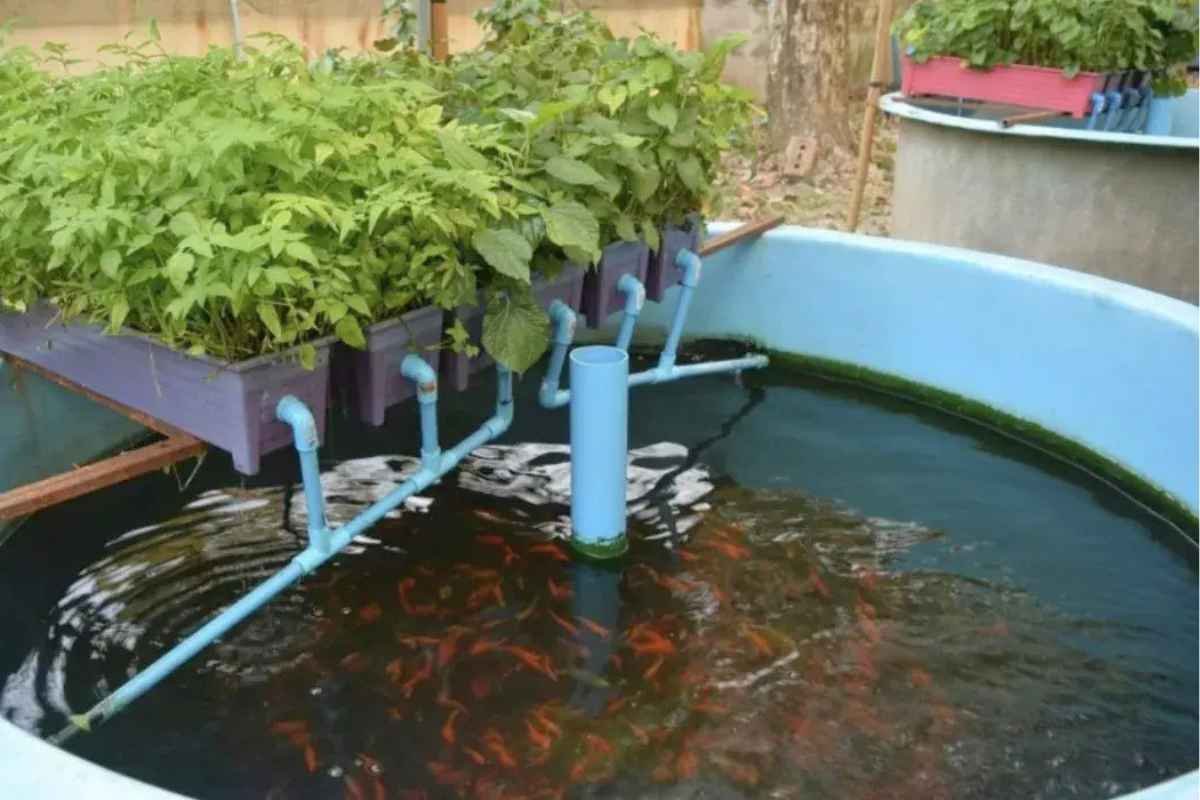
Riviera Maya, Quintana Roo — The Yucatan Peninsula’s heavy reliance on food trucked in from other parts of Mexico, combined with high transport costs and pressure on natural resources, has opened the door to aquaponics — a system that grows vegetables and raises fish in tight spaces using a fraction of the water.
That alternative will take center stage at the 10th International Aquaponics Congress, scheduled for Nov. 4-6 at the El Dorado Royale hotel in the Riviera Maya. Organizers expect about 150 attendees and specialists from nearly 30 countries.
Carolina Granados, director of Archéptica, a real estate development consultancy helping organize the event, said aquaponics pairs fish farming with vegetable cultivation in a closed loop that captures the nutrients produced by aquatic animals.
Fish waste is processed through biological filtration systems to feed the plants, while the water flows back into the tanks, sharply reducing waste.
According to technical information from Bofish, a company specializing in these systems, aquaponics can cut water consumption by up to 95 percent, use ten times less surface area and reduce energy costs by as much as 50 percent compared with the conventional models the company uses as a benchmark. Those figures are commercial estimates and results vary by installation.
Region Produces Only 2% of What It Eats, Expert Says
Granados said one of the peninsula’s biggest problems is its dependence on outside food supplies. By her estimate, only 2 percent of what the region consumes is produced locally — a figure she said underscores the need to strengthen production near consumers.
Hauling food in from other states drives up distribution and storage costs and hurts freshness, she said. Establishing production units on plots of 100 to 300 square meters could offer an alternative for communities, small producers and landowners.
Aquaponic systems can grow lettuce, tomatoes, cherry tomatoes, cucumbers, chard, arugula, spinach and microgreens. Tilapia is among the most commonly raised fish, though specialized setups exist for other species.
The technology is also finding its way into the tourism and real estate industries, through projects that let hotels, restaurants and residential developments produce part of their own food.
Bofish’s models include a Farm to Table concept aimed at supplying fresh vegetables and fish directly; agritourism built around educational experiences for visitors; and larger-scale commercial production systems.
Such installations can double as environmental learning spaces and extra attractions for resorts, pairing food production with experiences for guests and residents.
Granados said the real estate sector also sees opportunities to put currently unproductive land to use through projects that include planning, financing and operational support.
A demonstration aquaponics system is being built at the host hotel and is nearly finished, so participants can see the technology in operation firsthand.
While past editions drew between 500 and 1,000 participants, organizers chose a smaller format this year, with international speakers and activities focused on spreading the word about sustainable production.
The event opens Nov. 4. Registration details and the program are available at aquaponicevents.com.
More Business
- Quintana Roo Hands Two Artisan Carts to 33 Craftspeople in Playa del Carmen
- Cancún Travel Mart Projects $5.45 Billion in Sales at 38th Edition
- Gunmen Fire on Hotel Facade in Tulum’s La Veleta, No Injuries Reported
- Fire Destroys Del Pacífico Restaurant on Cancún Avenue With History of Extortion
- Cancún Airport Schedules 386 Flights as Aer Lingus Relaunches Dublin Route
More Quintana Roo
- Women’s Groups Demand Purge of Quintana Roo Police Forces Over Abuse and Criminal Ties
- Quintana Roo Human Rights Commission Closes 930 Complaints With Only 13 Recommendations
- Quintana Roo Grants Tax Breaks to Mototaxi Operators
- Experts Warn of Climate Crisis in Mexican Caribbean, Urge Urgent Action
- Quintana Roo Exports Plunge 75.1% in Second Quarter, Ranking Last Nationally