Playa del Carmen, Quintana Roo — Environmental campaigners are seeking to overturn federal approval for a large hotel and residential project near Punta Venado, arguing that construction could damage mangroves, underground water systems and wildlife habitat along one of the Riviera Maya’s less-developed coastal stretches.
The project is being marketed as The Ritz-Carlton Residences, Riviera Maya, but the branding can make its ownership difficult to understand. The development is operated by RMLA, Oleum Joint Venture, S. de R.L. de C.V., which uses the Ritz-Carlton name under a licensing agreement.
A disclaimer on the project’s own website states that the residences are not owned, developed or sold by The Ritz-Carlton Hotel Company or its affiliates. It also says Ritz-Carlton has not verified the developer’s statements about the project.
Oleum is also the company that submitted a project identified in federal environmental records as the “Complejo Ecoturístico Riviera Maya,” or Riviera Maya Ecotourism Complex.
What has been authorized?
Oleum began the federal environmental review process in December 2023. On April 28, 2026, Mexico’s Secretariat of Environment and Natural Resources, known as Semarnat, issued resolution SRA/DGIRA/DG-03530-26, granting a conditional and reduced authorization.
The approved plan covers a property of approximately 72.9 hectares, or 180 acres, in the Punta Venado area south of Playa del Carmen. It includes:
- Two hotel sections with 214 and 215 rooms, for a total of 429 units
- A beach club and commercial area
- Internal roads and service areas
- Three wastewater-treatment plants
- A raised bridge crossing an area of mangrove vegetation
Semarnat authorized a change in forest land use over approximately 25.5 hectares, or about 63 acres. The remaining portion is expected to retain its existing vegetation, although environmental groups argue that roads, utilities, human activity and construction can affect habitat beyond the land that is physically cleared.
The authorization allows approximately five years for construction and 50 years of operation. It is conditional because Semarnat did not approve every element exactly as originally submitted. The developer modified the design during the review, including reducing the development footprint and concentrating passage over the mangrove area into one central elevated bridge.
That is what activists mean when they say the project was “partially authorized.” It does not mean the proposal was rejected or that construction is currently prohibited. It means Semarnat approved a modified version subject to environmental conditions and monitoring.
The federal environmental approval may also be only one part of the permitting process. Coastal, water, construction, land-use and wildlife permits can fall under different federal, state or municipal authorities, depending on the location and type of work.
Public descriptions do not match perfectly
Marketing materials describe a community with 127 furnished residences, including 13 beachfront estates, 82 larger residences and 32 “mangrove cottages.” An international property listing published in June advertised two-bedroom units starting at approximately $1.86 million.
Earlier promotional material also described a 300-room Ritz-Carlton hotel on the same property. Combined with 127 residences, that would produce 427 accommodations, close to but not exactly the 429 rooms described in the Semarnat authorization.
The public documents do not clearly reconcile every difference between the environmental filing and the branded sales material. However, the matching developer, property size, location and general project description indicate that the federal authorization and Ritz-Carlton-branded development are connected.
The developer says less than 15% of the property will be built upon and that most of the jungle, mangrove and dune vegetation will remain protected. Environmental campaigners dispute whether construction at that density can occur without disrupting water movement and wildlife passage.
Why the location is sensitive
Punta Venado lies along a coastal corridor between the federally protected Mexican Caribbean Biosphere Reserve and the Felipe Carrillo Puerto Flora and Fauna Protection Area.
The Felipe Carrillo Puerto protected area, created by federal decree in September 2024, covers more than 53,227 hectares across Playa del Carmen, Tulum and Cozumel. It protects jungle, mangroves, wetlands and habitat used by jaguars and other native species.
Environmental groups say project documents identify at least 24 protected species in or near the property, including spider monkeys and sea turtles. They are particularly concerned about four types of mangrove documented at the site.
Mexico’s NOM-059 environmental standard classifies the country’s four principal mangrove species as threatened. Article 60 Ter of the General Wildlife Law also prohibits removing or filling mangroves, or carrying out work that damages their hydrological integrity and their connection to dunes, coastal waters and coral reefs.
The elevated bridge appears intended to reduce direct mangrove removal. Activists argue that pilings and related construction could still alter water flow or introduce contaminants into the underground system.
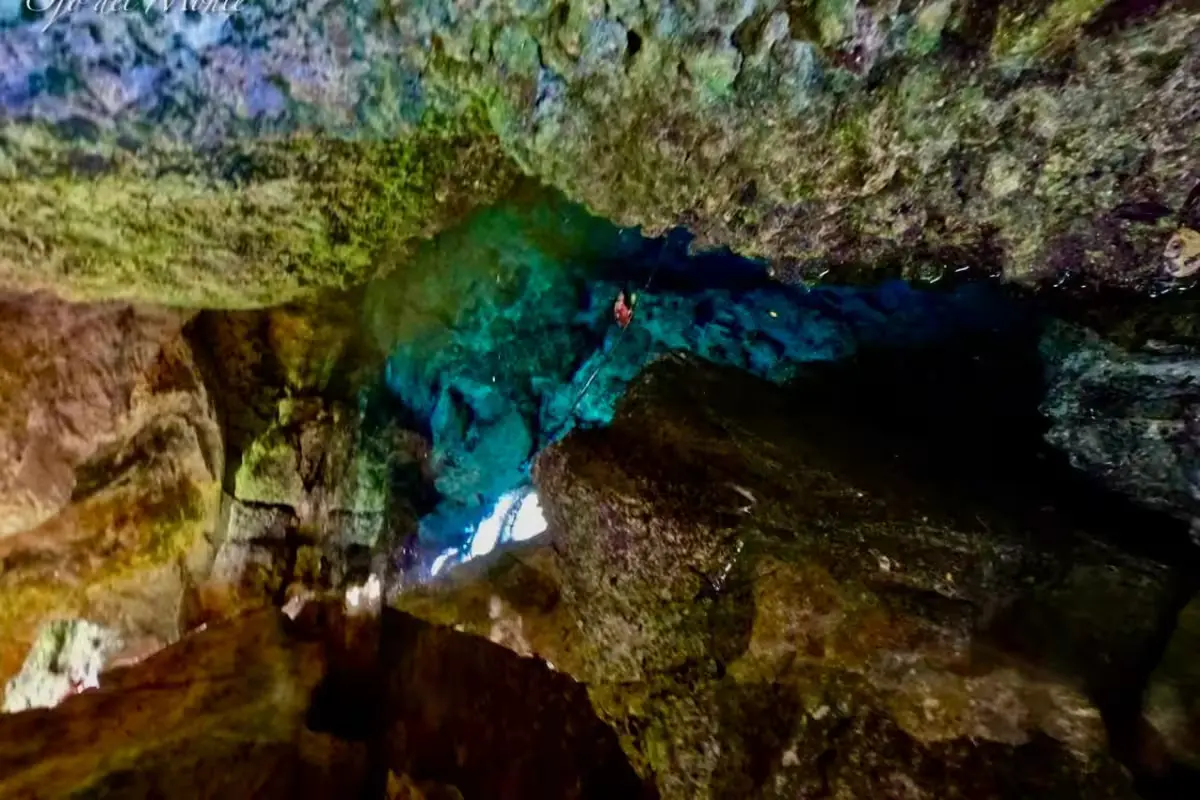
Because the Yucatán Peninsula has highly porous limestone and very few surface rivers, rainwater moves underground through caves and cenotes before reaching coastal wetlands and the Caribbean. Contamination introduced inland or during construction can therefore travel through the aquifer.
Petition covers more than one project
The Change.org petition had surpassed 4,100 verified signatures by early August. It seeks cancellation of both the Riviera Maya Ecotourism Complex and a separate development called Proyecto Venado.
Proyecto Venado, promoted by Residencial Punta Venado, was authorized separately and proposes 108 hotel rooms, 50 special suites and 33 residences on another property of more than 111 hectares. Plans also include artificial lagoons, a wastewater plant and a reverse-osmosis facility.
Activists Elías Siebenborn, Guadalupe de la Rosa and José Urbina Bravo are calling for the authorizations to be withdrawn and have begun raising money for possible legal action. No court order suspending the Oleum development had been publicly confirmed as of early August.
The dispute therefore remains at an important but preliminary stage. The project has federal environmental authorization and is being advertised internationally, while opponents are building public support and examining legal options to challenge the approval before large-scale construction begins.
More Environment
- Mexican Army Nears Completion of 16-Kilometer Jungle Road Over Tulum’s Sac Actún Cave System
- Akumal Halts Turtle Swim Tours Through September
- Mexico Assigns $110 Million Navy Budget to Fight Sargassum in Quintana Roo
- Mérida Opens First Green Corridor to Fight Climate Change
- El Niño Keeps Atlantic Hurricane-Free, Setting Record for Latest First Storm in Decades
More Playa del Carmen
- Business Leaders Urge Playa del Carmen to Diversify Economy as Tourism Slumps
- Playa del Carmen Inaugurates Plaza Punto Sur Under Public-Private Alliance
- Mayakoba Resorts Accused of Illegally Withholding Up to 35% of Worker Tips
- Cenotes in Playa del Carmen Face Contamination Risk From Poor Sanitary Infrastructure
- GPS Leads Police to Rental Car Reported Stolen in Cancún; Two Arrested in Playa del Carmen