Tizimín, Yucatán — The living traditions of Yucatán’s communities are a vital part of the cultural and community tourism that distinguishes the state, offering authentic experiences tied to local identity, collective memory, and heritage, according to the state’s Secretariat for Tourism Promotion (Sefotur).
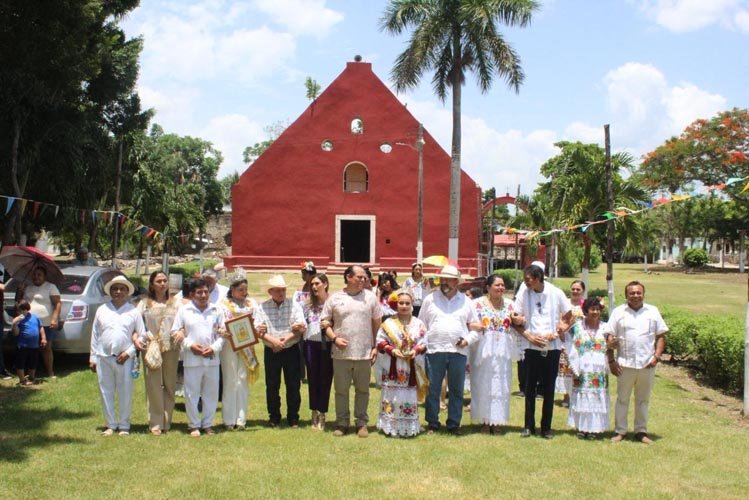
As an example, the Tizimín municipal government held the event “Cenote Siete Bocas: Art, Water, and Tradition,” a day that brought together ancestral knowledge, folk art, gastronomy, and living traditions from the Sucopo district.
The activity took place during the traditional Baño de San Juan (St. John’s Bath), a celebration that is part of the region’s cultural heritage and each year draws residents and visitors to a ceremony that preserves community identity and collective memory.
Before the activities began, state, municipal, and community authorities cut the inaugural ribbon, led by Sefotur Secretary Darío Flota Ocampo.
As part of the cultural showcase, spaces were set up for the sale of handicrafts, farm products, traditional food, ancestral medicine, and exhibits on the work of the community’s midwives, allowing visitors to learn about practices and knowledge that are part of daily life in Sucopo.
Flota Ocampo highlighted that Yucatán’s communities represent the essence of cultural and community tourism because they preserve authentic traditions that continue to be passed down from generation to generation. He noted that celebrations like the Baño de San Juan allow the state to proudly share its cultural richness and contribute to the social cohesion of localities.
The festival included the traditional procession of the image of St. John the Baptist from the community church to the Cenote Siete Bocas, where a floral offering was made. As is customary, girls from the community threw flowers and leaves into the cenote’s waters to ask for blessings and prosperity for the town.
Afterward, the emblematic dives took place in fulfillment of promises and as an expression of faith and gratitude. Before this activity began, Professor Mario Armando Cupul Rosado gave a historical account of the origin and meaning of this tradition, revived on the community’s own initiative.
During the ceremony, special recognitions were given to the oldest and youngest participants: Ariel Guerrero Arjona, 66, who has promoted this tradition for 15 years and was the first to dive into the cenote, as he has done since the custom was revived; and Melquiades Barrera, 12.
More than 15 young people from the community later participated in the dives, with support from municipal Civil Protection personnel to ensure safety.
The day concluded with a community gathering featuring traditional food, music, and various artistic expressions, in a celebration that showed how local traditions can become authentic tourism experiences born from the communities themselves and linked to Yucatán’s cultural identity.
More Tourism
- Yum Balam Management Review Must Include Chiquilá Ejido, Commissioner Says
- Heavy Rain and Extreme Heat Forecast Across Quintana Roo
- September Marks Worst Month for Hotel Occupancy and Air Traffic in Cancún
- Aeroméxico to Suspend Tulum Flights, Calls It a Temporary Pause
- Mexico Urges Caribbean Nations to Act as Sargassum Threatens Quintana Roo Beaches