
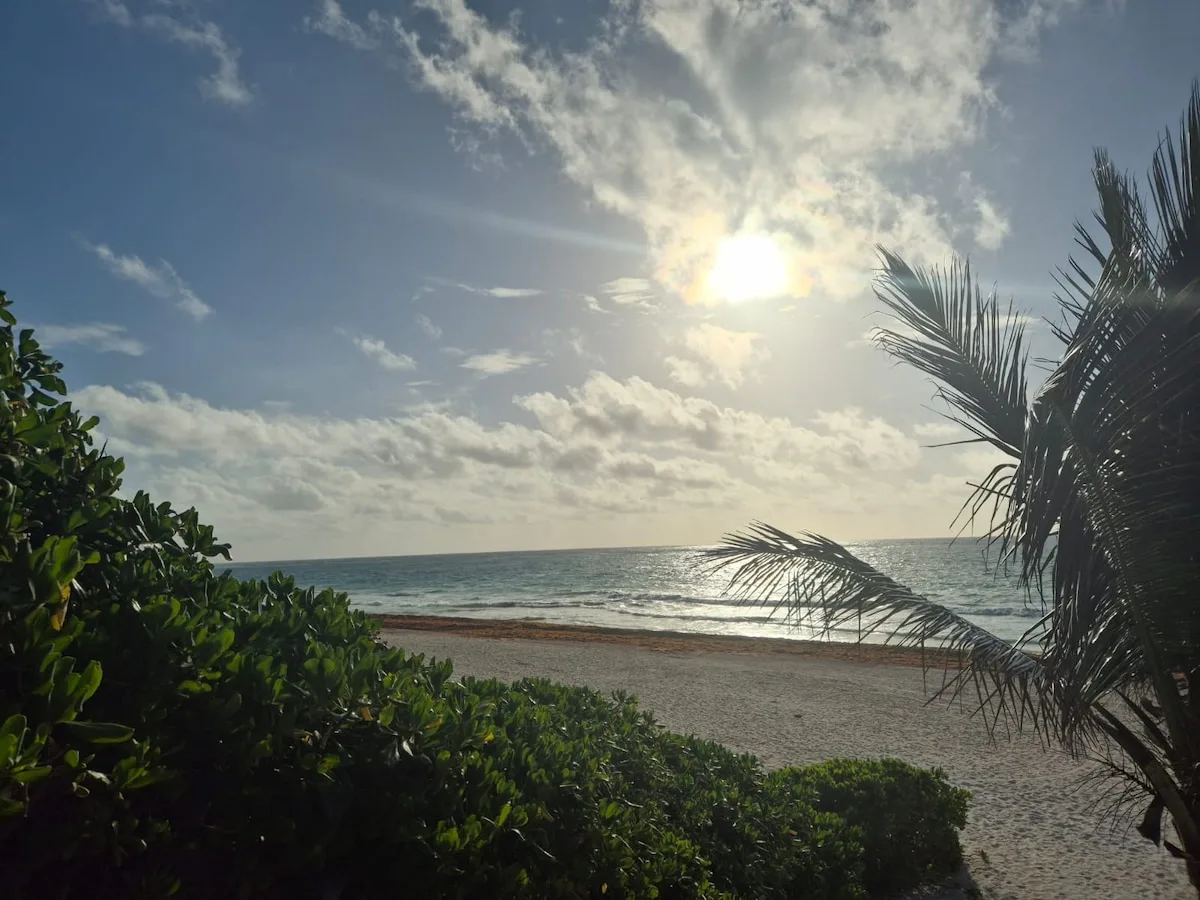
Tulum, Quintana Roo — Tulum’s beaches are considered a paradise, but they present significant accessibility problems for tourists and locals not staying at oceanfront hotels.
Most beachfront areas belong to tourist resorts, such as Roberto Palazuelos’ Diamante K hotel, which restrict access to guests only. While some free public zones exist, visitors must comply with rules including limited hours and bans on bringing food or drinks.
What Are the Problems at Tulum’s Beaches?
Tulum is a tourist destination with Mayan archaeological sites alongside its coastline, but access issues extend beyond private hotel beaches to include scarce public entry points and difficult terrain.
The “Jaguar Park Access” illustrates these challenges. It opens at 8 a.m., preventing sunrise visits. Staff check bags to prohibit any food or beverages, stamp visitors’ hands to distinguish them from hotel guests, and National Guard personnel monitor the entry.
From there, a jungle walk begins. Though trails lead to viewpoints, overgrown plants and branches create obstacles, particularly for wheelchair users. The closest area to the ocean is fragmented, with rocks and litter blocking descent to the sand.
Approximately 1.5 kilometers from the National Guard checkpoint, a small sign marks “access to Playa Las Palmas.” After descending stone stairs, visitors reach the coast but must leave by 7 p.m.
On the other side of Jaguar Park Access lies Punta Piedra, another public beach about 1.8 kilometers away. This means only two public coastal entries exist along a 3.3-kilometer stretch between Tulum’s hotels and the natural jungle barrier.
These issues are compounded by significant sargassum seaweed on the sand and in shallow waters.
A Free Access Alternative
One solution is the free Tecate Beach Access, adapted for easier entry to the sand with no time restrictions. Visitors may bring food and drinks without purchasing them on-site.
This access resulted from an initiative between Heineken and the Tulum government. “There was frustration among people about the difficult beach access,” said Esteban Velasco, director of Tecate, in an interview. “It’s a large-scale problem. It’s not just about denouncing it, but about solving it and contributing our grain of sand.”
More Lifestyle
- Playa Spice Returns With Six Weeks of Restaurant Promotions Across Playa del Carmen
- Tulum Yoga Music Fest Plans Week of Classes, Music and Wellness Events
- Unpaid Municipal Debt Worsens Garbage Crisis on Holbox
- Brain-Eating Amoeba Confirmed in Mérida Lake: What to Know in Quintana Roo
- Ángeles Viajeros to Take 16 Children With Cancer to Cozumel for a Week by the Sea
More Tulum
- Gunmen Fire on Ride-Hailing Drivers Along Playa del Carmen-Tulum Highway
- Tulum Businessman Denounces Year-Long Extortion by Alleged Inspection Officials
- Tulum Taxi Union to Launch Xook App With Real-Time GPS Tracking
- Tulum Airport Receives US Deportation Flights Every Friday
- Tulum Delivers Free Medicines to Health Houses in Vulnerable Communities
