Cancún, Quintana Roo — Training programs for customs and immigration officers on security and customer service are paying off among staff who stay in their posts, but constant turnover at Mexico’s Migration agency is making it hard to build on that progress, according to the head of the country’s inbound tourism association.
Sergio González Rubiera, president of the Mexican Association of Inbound Tourism Agencies (Amatur), said the agency’s revolving door forces instructors to restart the same training over and over.
At customs, he said the obstacles are different: officers are told their priority is collecting revenue, which clashes with the tourism sector’s push for faster, friendlier treatment of arriving travelers.
“I gave courses on service quality to the customs staff and some were very happy, very motivated, but they told me: ‘Don Sergio, what you’re saying is great, but we’re told our mission is to collect,'” González Rubiera said. “So it’s a clash — we want one thing and they want another.”
He said the sessions aim to convince agents that an efficient welcome matters, because for the tourism industry the travel experience begins at the arrival checkpoint.
Training for immigration agents has also produced gains, he said, combining customer service workshops, dialogue and automated technology that has sped up traveler processing and reduced problems at airports.
Tourist police graduate
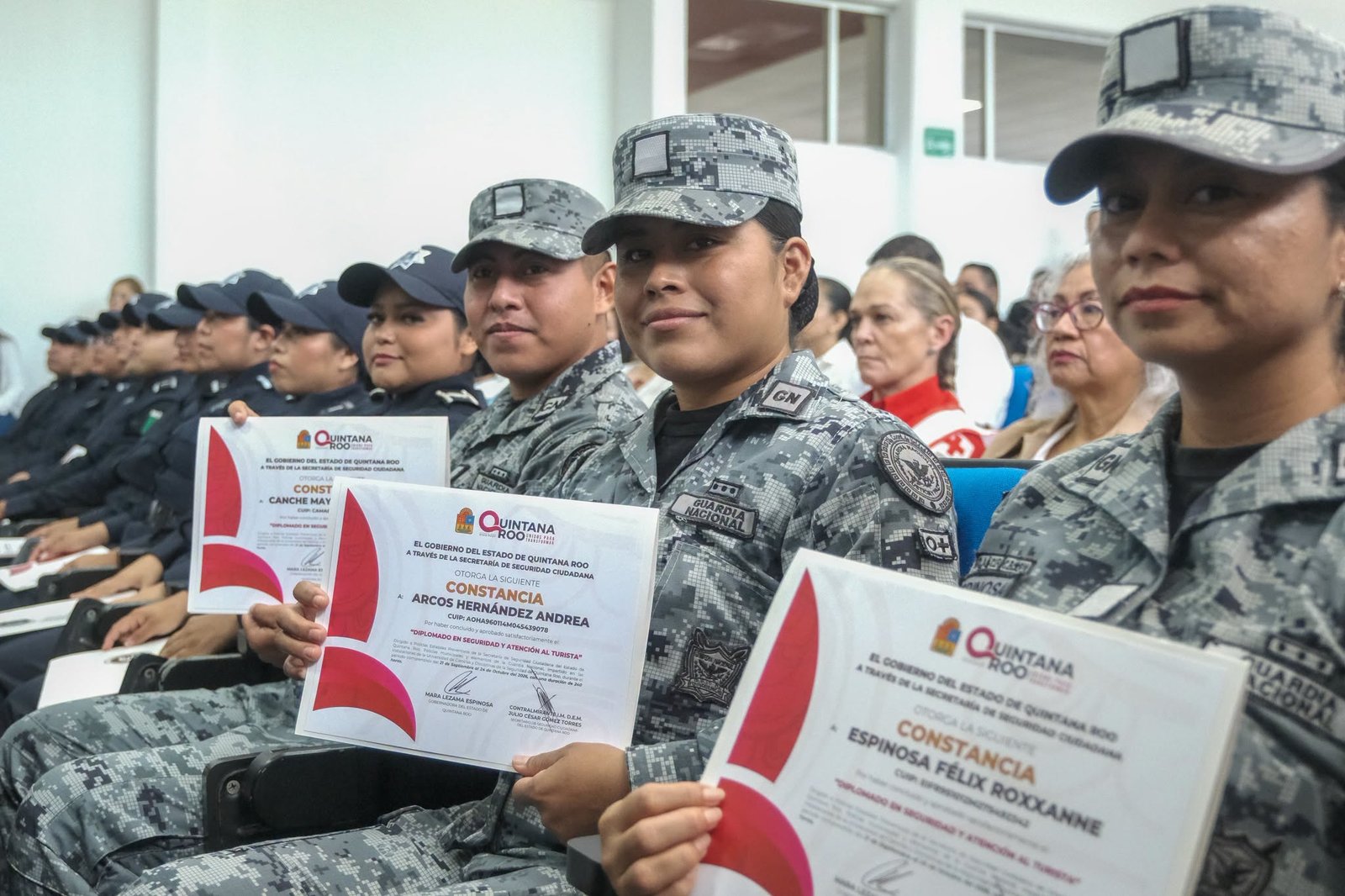
The quality push has extended to state public security. Working with Quintana Roo authorities, Amatur helped set up an academic program for the officers who deal with visitors every day.
“We trained the tourist police across the entire state and the day before yesterday there was a graduation ceremony at the UT; the governor handed certificates to 52 officers who graduated,” he said. “They took a comprehensive diploma course with many subjects; I taught two of them: service quality in tourism and tourism markets.”
González Rubiera said he hopes the course translates into better treatment of visitors and an end to shakedowns, and he pledged that the training will continue.
Amatur argues that service quality is essential to keeping the destination competitive and travelers satisfied.
More Tourism
- Mercado 28 in Cancún: What to Buy, Where to Eat and How to Haggle
- Cozumel Expands Support Program to 400 Nautical, Cooperative and Fishing Workers
- Playa del Carmen to Host Third International Film and Series Festival
- Cozumel Aims to Lift Hotel Occupancy as Cruise Arrivals Surge
- Mexican Army Seeks Environmental Approval for Parking Lot at Tulum’s Parque del Jaguar
More Cancun
- Cancún International Music Festival Returns With ‘América Mestiza’ Theme and More Than 15 Events
- Cancún’s ‘México Imparable’ Community Center Tops 80% Completion in Región 249
- Lorraine Pinto, Sculptor of Cancún’s Iconic Ceviche, Dies at 92
- Cancún and Riviera Maya Close 2026 With a Wave of Hotel Openings
- Cancún’s CRIT Teletón Holds Autism Education Sessions to Dispel Myths and Train Community