
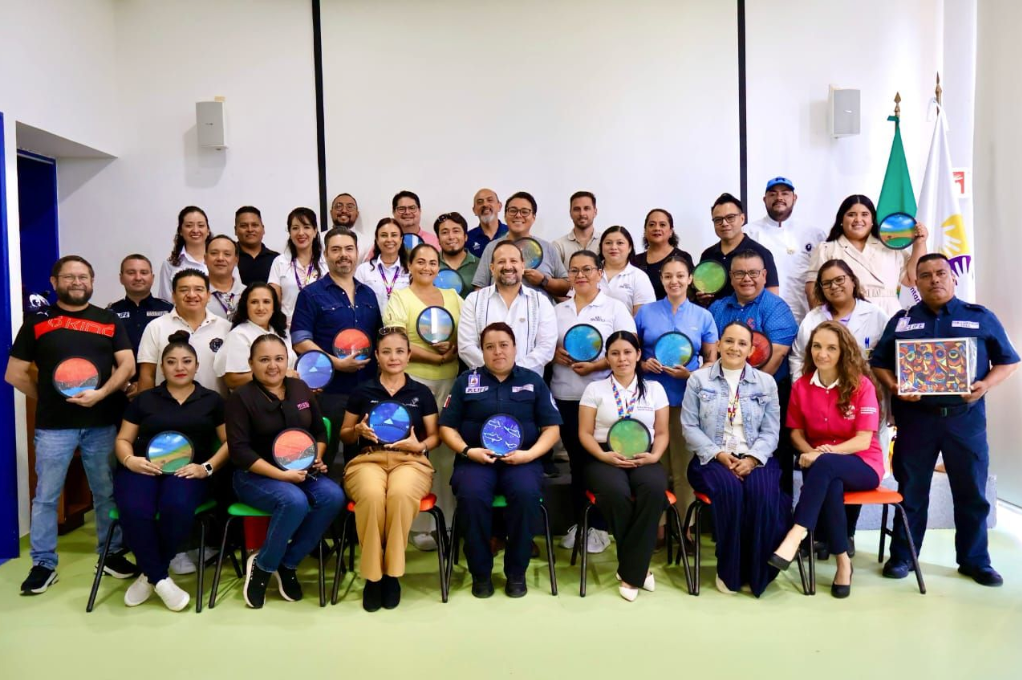
Cancún, Quintana Roo — The CRIT Teletón rehabilitation center in Cancún held two days of autism education sessions open to the general public, aimed at spreading accurate information about the condition, dismantling myths and training the local community to build effective inclusion.
Azeneth Valdez, the center’s medical director, said the sessions ran on Friday and Saturday. “On Friday and Saturday we held the autism education sessions, open to the general public, covering everything from what autism is and what it is not, and taking apart all the myths,” Valdez said, speaking after the donation of a Toyota vehicle for use by patients.
Specialists at the center explained the assessment tests used to evaluate autism and identified conditions that frequently accompany it, including intellectual disability and attention deficit hyperactivity disorder.
The program also included workshops on adapting spaces to sensory needs. Staff from the region’s hotel industry, transport companies and airport personnel visited the institution to learn how to set up friendly areas, and the sessions also addressed selective eating.
Health specialists, teachers and parents took part, with the center promoting reasonable adjustments in classrooms to complement the visits its teaching team makes to schools.
Diagnosis requires difficulties in two areas
On identifying autism in childhood, Valdez said a diagnosis requires evaluating two main areas of development together: difficulties in social communication and the presence of repetitive behavior patterns or fixed preferences.
“While we have alterations in social communication — meaning not necessarily that they don’t speak, but that they speak and cannot hold a conversation — we also have repetitive patterns,” she said. “If I have a person with only repetitive or sensory problems, it is not autism. If I have a person with only communication problems, it is not autism. If I have a person with both, we definitely need to run tests to confirm or rule out the diagnosis.”
Valdez added that the CRIT works year-round with six donated vehicles that allow its teams to carry out home visits by social workers, transport patients and hold outreach sessions in remote communities.
More Community
- Staff Turnover at Migration Agency Stalls Tourist Service Training, Industry Group Says
- Tulum Food Charity Los Frutos Sees Daily Demand Jump From 30 to 300 People
- Searching Mothers Keep Indefinite Blockade in Cancún Hotel Zone as State Officials Stay Silent
- Mayan Legends Festival Brings Oral Tradition to Life in José María Morelos
- Playa del Carmen Business Chamber Warns of Fake Discounts Ahead of El Buen Fin
More Cancun
- Quintana Roo Scraps In-Person Visitax Collection at Cancún Airport
- Cancún Plans Cuban Cultural Corridor on Avenida Yaxchilán to Turn Migration Into Tourism
- Japan to Back Mexico With Technology and Funding to Fight Sargassum and Clean Up the Caribbean Coast
- Viva Aerobus Trims Frequencies as New Pratt & Whitney Engine Inspections Cut Aircraft Availability
- Cancún Medical Tourism Generates $340 Million a Year as Spending per Patient Climbs
