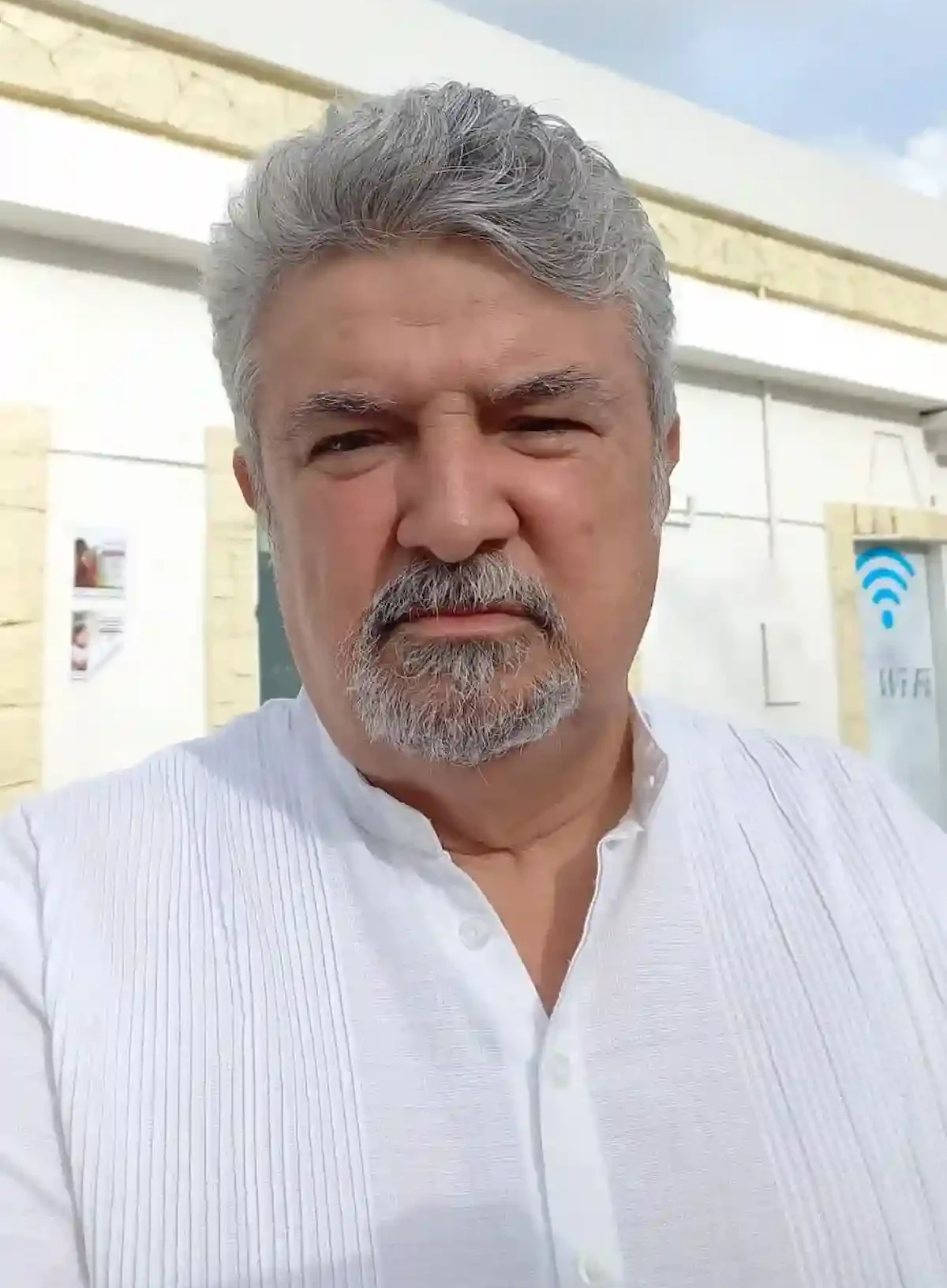
Tulum, Quintana Roo — Nearly two decades after becoming a municipality, Tulum is grappling with economic, urban and tourism challenges that cannot be blamed on any single administration but rather on years of accumulated decisions and omissions, according to engineer Manuel Fernando Aznar Pavon.
Aznar Pavon, former president of the Pueblos Magicos program and current national advisor to the Mexican Federation of Civil Engineers, said the destination is going through a difficult period marked by declining visitor numbers, an economic slowdown and planning problems that developed over various stages of the municipality’s growth.
During an analysis of Tulum’s current situation, he argued that the lack of order in urban and tourism development is a shared responsibility among authorities, the private sector and society. He said that during the years of greatest economic prosperity, various structural problems were not addressed, and those problems now directly impact local economic activity.
Among the issues he mentioned were changes in access dynamics to the archaeological zone and the Jaguar Park, as well as a lack of planning to properly integrate sectors such as artisans. He explained that modifications in visitor flows have affected merchants who depended on the constant passage of tourists through certain areas.
He also recalled that in previous years there were projects that contemplated several public access points to the coast within the region, but those were never consolidated. In his view, this situation currently limits mobility options and enjoyment of natural spaces for both residents and visitors.
Aznar Pavon also described a complicated outlook for sectors such as construction and real estate, which for years drove much of the local economy. According to him, the reduction in investments and sales of developments has generated uncertainty among business owners and workers linked to these activities.
Faced with this scenario, he proposed broadening the municipality’s economic vision and reducing dependence on tourism as the main source of income. Among the alternatives, he suggested attracting companies related to technological innovation and artificial intelligence, as well as strengthening productive activities in the Maya zone through agricultural and aquaculture projects.
Finally, he said that Tulum’s recovery requires a collaborative model between government, the private sector and civil society organizations, with the goal of building long-term strategies to boost economic development and address the challenges the municipality currently faces.
More Business
More Tulum
- Tulum’s Mureco Museum Adds 53 Archaeological Pieces From Across Mesoamerica
- 23 Tulum Police Officers Complete Initial Training Course
- Tulum-Miami Flights to End as American Airlines Adjusts Routes
- Uber Opens Driver Registration in Playa del Carmen and Tulum for Taxi and Motorcycle Services
- Playa del Carmen Officials and Transport Firms Meet After Fatal Tulum Crash