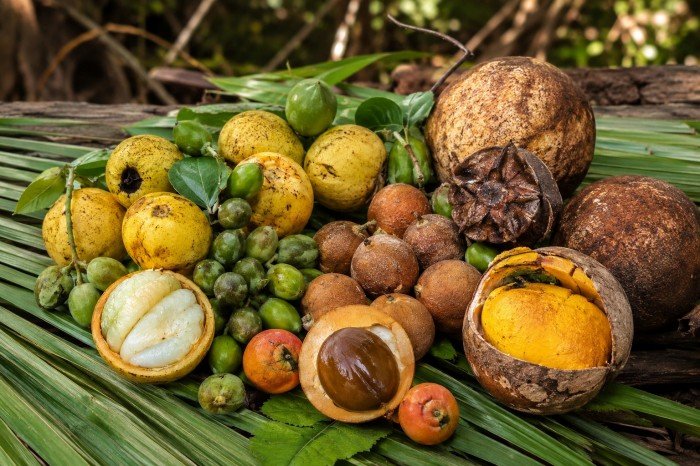
José María Morelos, Quintana Roo — Wild fruits that have sustained families in the Maya Zone for generations are at risk of disappearing as younger people turn to commercial varieties, according to Miguel Ku Balam, a resident of the Tabasquito community.
In an interview, Ku Balam said species such as snacché, nance, chiqué, chiricote, wild chicozapote, and criollo lime are being consumed less and less. He blamed the decline on excessive logging, drought, and the effects of climate change.
“If we don’t eat these fruits, our children will eat them even less. We have to rescue them, promote their consumption, and teach new generations their value, because they are endemic species of our peninsula,” he said.
Ku Balam noted that snacché is the most worrying case, estimating that only about 10 percent remains in Maya communities, whereas it was once widely consumed.
He added that many people prefer to buy fruit brought from other states, while local varieties are cleared from land or ignored because people do not know their nutritional value.
“We need to spread the word so people start eating these foods again. If we don’t take care of them, we will lose an important part of our culture and our diet,” he concluded.
More Community
- Hundreds of Riders Expected for Tulum’s Fourth Federated Horseback Ride
- Quintana Roo Riders Resume ‘Vest Law’ Talks, No Protests
- Cancún Residents Demand Governor’s Intervention Over Alleged Land Fraudster
- Playa del Carmen Ranks Second in HIV Cases in Quintana Roo, Official Says
- Cancún Taco Festival Aims to Revive Local Economy in Low Season
More Zona Maya
- Quintana Roo Opens 2026 Poetry Contest for Indigenous and Afro-Mexican Girls
- Drought Damages Farmland in Felipe Carrillo Puerto as Quintana Roo Assesses Losses
- Aluxes Endure in the Beliefs of Maya Communities in Quintana Roo
- Search Operation for Missing People Deployed in Felipe Carrillo Puerto
- Mothers of Missing Children Ask Quintana Roo to Display Their Faces on Public Transport