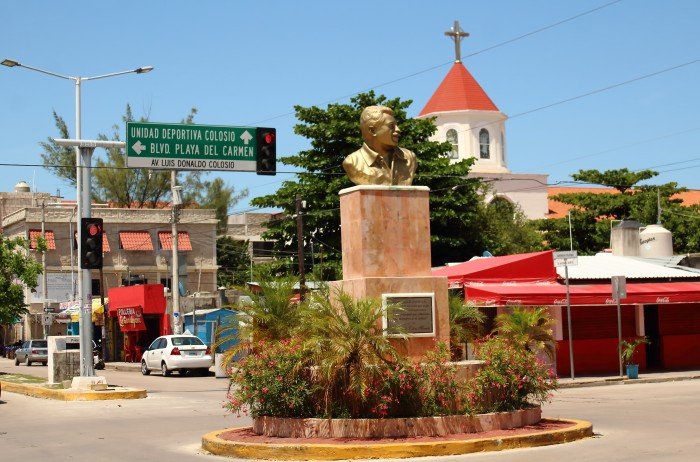
Playa del Carmen, Quintana Roo — A human rights activist on Wednesday called on municipal authorities to legalize alcohol sales in the Luis Donaldo Colosio neighborhood, arguing the move would curb illegal vendors and generate tax revenue.
Carlos Solis Heredia, national director of the Continental Human Rights Organization, said legalizing alcohol sales would help combat clandestine outlets and allow businesses to operate with official permits.
Solis noted that authorities banned alcohol sales in the neighborhood shortly after its founding 32 years ago to prevent a spike in violence when the settlement was entirely informal. While he acknowledged the measure was appropriate at the time, he stressed the situation has changed dramatically.
“It’s neither profitable nor sustainable for us to remain the ‘ugly duckling’ when we already have 97 percent property titles,” Solis said. “We should be able to sell normally, like in Gonzalo Guerrero or Nicte-Ha. We want the process to be expedited for those requesting beer or alcohol sales. It’s their legitimate right.”
The activist, who also lives in the neighborhood, said legalization would increase municipal revenue.
“With legalization, goodbye to the black market, and there’s order and a wonderful, ample state income that the municipality also needs,” he said. “The illegal trade becomes a thing of the past.”
More Community
- Hundreds of Riders Expected for Tulum’s Fourth Federated Horseback Ride
- Quintana Roo Riders Resume ‘Vest Law’ Talks, No Protests
- Cancún Residents Demand Governor’s Intervention Over Alleged Land Fraudster
- Playa del Carmen Ranks Second in HIV Cases in Quintana Roo, Official Says
- Cancún Taco Festival Aims to Revive Local Economy in Low Season
More Playa del Carmen
- Quintana Roo Plans Two Wastewater Plants and Two Aqueducts for Cancún and Playa del Carmen
- Playa del Carmen Recognized as International Bull Shark Zone
- Five Zones in Playa del Carmen Lose Urban Jungle to Construction Boom
- Playa del Carmen to Build Tactical Operations Center to Boost Fifth Avenue Security
- Hurricane Isaías to Bring Rain and Heat to Cancún and Playa del Carmen This Weekend