José María Morelos, Quintana Roo — The sheep meat market continues to grow in the Maya zone of Quintana Roo, where producers are increasingly investing in genetic improvement and value-added products to boost profitability and meet rising demand.
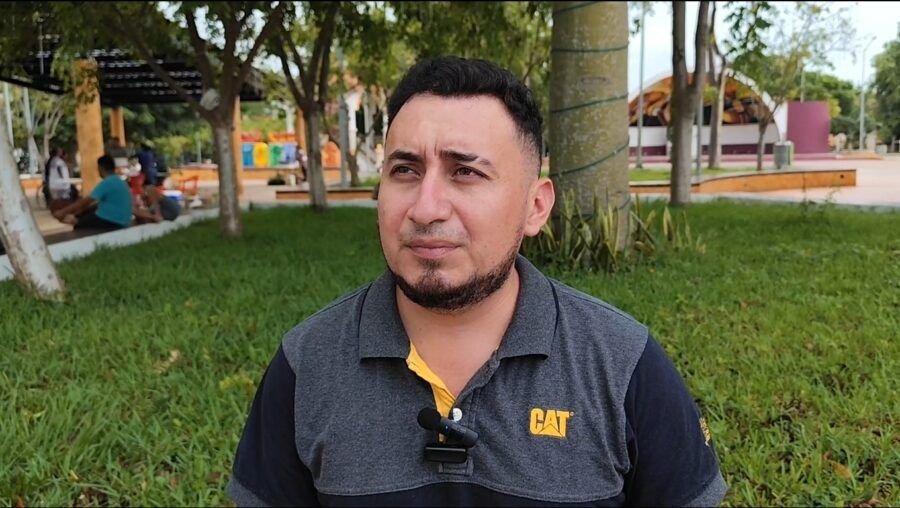
Jorge Miguel Borges Reyes, owner of Rancho “La Bendición de Dios” in the community of Benito Juárez, said sheep meat marketing now offers an attractive alternative for small and medium livestock farmers due to higher consumption and better market prices.
In response, many producers have begun investing in animals with superior genetic traits, which allows them to increase meat yield without significantly expanding herd size.
“The difference between a conventional animal and one with high genetics is directly reflected in meat production and overall utilization,” Borges Reyes said.
However, he acknowledged that this type of production also demands more from farmers, particularly in feeding, infrastructure, health management, and adapting animals to the region’s climate.
Maintaining higher-quality herds requires constant monitoring, preventive health programs, and greater investment to ensure animal health and productivity.
Beyond genetic improvement, the ranch is also shifting toward selling processed products, a strategy aimed at adding value before the meat reaches consumers. Under this model, the meat is prepared, marinated, and pre-packaged, offering a ready-to-cook product with higher commercial value, directly improving producer income.
Borges Reyes said this trend reflects a gradual transformation of local sheep farming, with more producers moving from traditional models toward systems focused on quality, efficiency, and specialized market niches.
Growing demand for sheep meat from restaurants, businesses, and social events is opening new opportunities for producers in the Maya region, who see this activity as a viable way to diversify livestock production and strengthen the rural economy.
More Business
- Playa del Carmen Taps HR Directors to Boost Local Hiring
- Hospital O’Horán Performs First Robotic Appendix Surgery; Patient Treated Free of Charge
- Mexico Hoteliers Warn of 1.1 Million Air Tourist Loss as U.S. Arrivals Slump
- Cadillac Launches Escalade-V ‘Checo’ Pérez Edition in Mexico for 4.1 Million Pesos
- Mattel Unveils Barbie Día de Muertos 2026 Doll Inspired by La Catrina
More Zona Maya
- Man Sentenced to 108 Years for Raping and Sexually Abusing His Three Stepdaughters
- Artists Plan Night Festival to Revive Mayan Legends in José María Morelos
- Quintana Roo Youth Institute Seeks 13 Million Peso Budget Boost for Scholarships
- Five Ejidos Seek Alliance to Protect Chichankanab Lagoon in José María Morelos
- Maya Frog and Toad Shell Pendants May Reveal Ancient Trade Routes