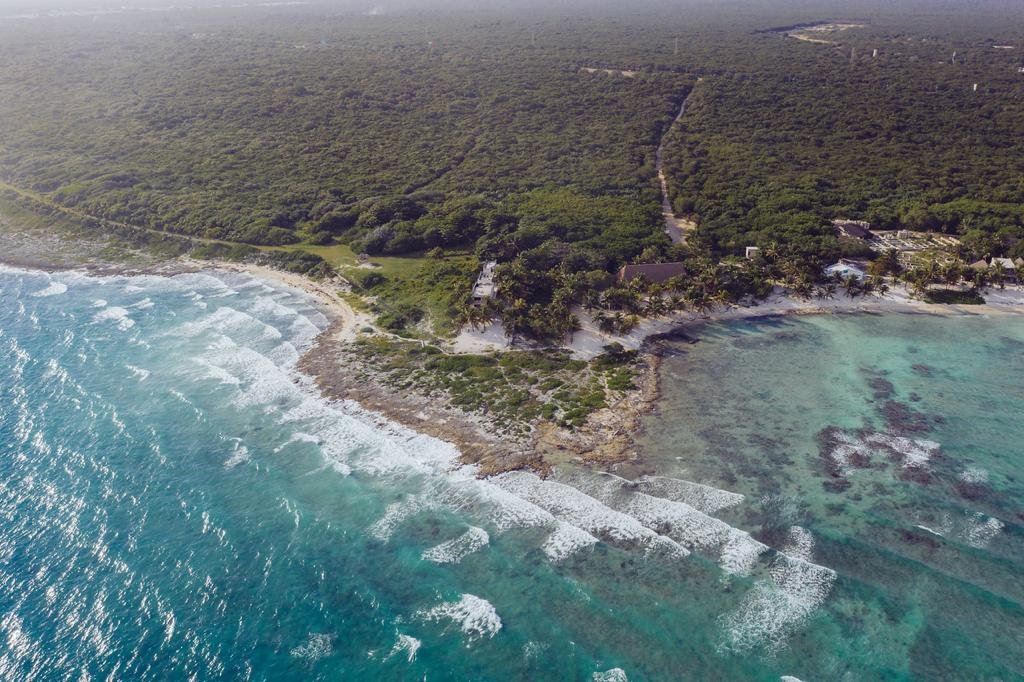
Playa del Carmen, Quintana Roo — Residents of Punta Venado are voicing strong opposition to a new real estate development recently approved by Mexico’s Secretariat of Environment and Natural Resources (Semarnat), warning it could cause significant environmental damage to one of the area’s last relatively untouched natural spaces.
Local resident Sadia N. expressed deep concern, saying the project threatens a vital natural area that still retains much of its biodiversity and scenic beauty.
“Our worry is that this project will break the peace and balance that still exist here,” she said. “The damage caused over the years by Calica, now called Sac-Tun, was already enough. We can’t keep impacting the jungle and beaches of Punta Venado.”
Sadia noted that the area hosts a wide variety of native flora and fauna that have survived Playa del Carmen’s urban growth. “In my opinion, this area has the most beautiful bay in all of Playa del Carmen — a place that even the mayor, Estefanía Mercado, probably doesn’t know about. Yet they want to destroy and privatize it,” she said.
The resident highlighted that the zone is home to white-tailed deer, ospreys, foxes, and a vast array of birds, mammals, and insects. Large, ancient trees such as cedars, ceibas, and amates still stand there. “They can’t destroy all this just for the economic interest of a few foreigners,” she added.
Sadia called on the community to organize and participate in environmental defense actions to review the project and its potential impacts. “Let’s all unite and help stop this massacre against nature. We still have time to denounce, gather signatures, and prevent this destruction,” she said.
Residents have begun expressing their discontent and say they will seek legal and civic participation mechanisms to request a review of the permits granted for the project, arguing for the protection of one of the last relatively conserved natural spaces along Playa del Carmen’s coastal corridor.
More Environment
- Cancún Orders Removal of Grounded Boats From Nichupté Lagoon
- Profepa Shuts Down Work Damaging Coastal Dune in Yucatán
- Yacht Grounded on Mahahual Reef Caused No Coral Damage, Conservationists Say
- Playa del Carmen Awaits Federal Approval to Return 20,000 Tons of Sand Recovered from Sargassum
- Playa del Carmen Councilor Questions Semarnat’s Indigenous Consultation Requirements
More Playa del Carmen
- Mexico City, Cancún and Puerto Vallarta Top Searches for Independence Day Weekend
- Playa del Carmen Reviews Playaparq Parking Concession Amid Up to 15 Weekly Complaints
- Playa del Carmen Draws Over $1.6 Billion in New Tourism and Real Estate Projects
- Playa del Carmen Projects Higher 2027 Revenue From Vacation Rentals and Hotel Occupancy
- Dead Sea Turtle Hatchlings Found With Dog Bites at Playa del Carmen Beach