
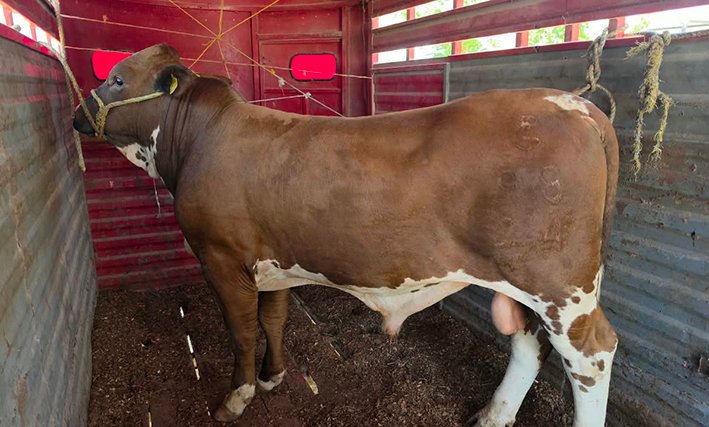
Othón P. Blanco, Quintana Roo — Roughly 1,200 cases of screwworm have been reported in Quintana Roo, although only a small number remain active, according to Jorge Aguilar, head of the state’s Secretariat for Agricultural, Rural and Fisheries Development (SEDARPE).
Aguilar said reduced rainfall has kept the pest from spreading at a faster pace. Producers are continuing prevention and treatment work while they wait for the federal government to begin releasing sterile flies in southeastern Mexico.
He explained that fighting the screwworm raises production costs and demands more time from those who raise cattle, adding that these efforts must continue until federal support arrives.
The sterile fly production plant in Metapa, Chiapas, is already operating, Aguilar said, and the livestock sector is waiting for the program to expand into Quintana Roo.
More Environment
- Semarnat Approves Floating Marina in Cancún’s Nichupté Lagoon
- Cancún’s Benito Juárez Recycling Drive Recovers 6.8 Tons of Waste
- US Releases 1 Billion Sterile Flies to Stop Screwworm’s Return
- Delphinus Blue Planet Pulls Out of Deal to Buy The Dolphin Company, Leaving 101 Marine Animals in Limbo
- New Pemex Oil Spill in Gulf Won’t Reach Campeche Beaches, Company Says
More Quintana Roo
- Sheinbaum Touts Billions in Quintana Roo Infrastructure Ahead of Cancún Accountability Event
- No Long Weekend for Quintana Roo Students: Classes Held Sept. 14-15, Suspended Only Sept. 16
- Quintana Roo Bill Would Jail Pet Owners Who Abandon or Neglect Animals
- Quintana Roo Real Estate Market Matures Behind $1 Billion in Investment
- Illegal Trafficking Threatens Mexico’s Green Macaw, Expert Warns