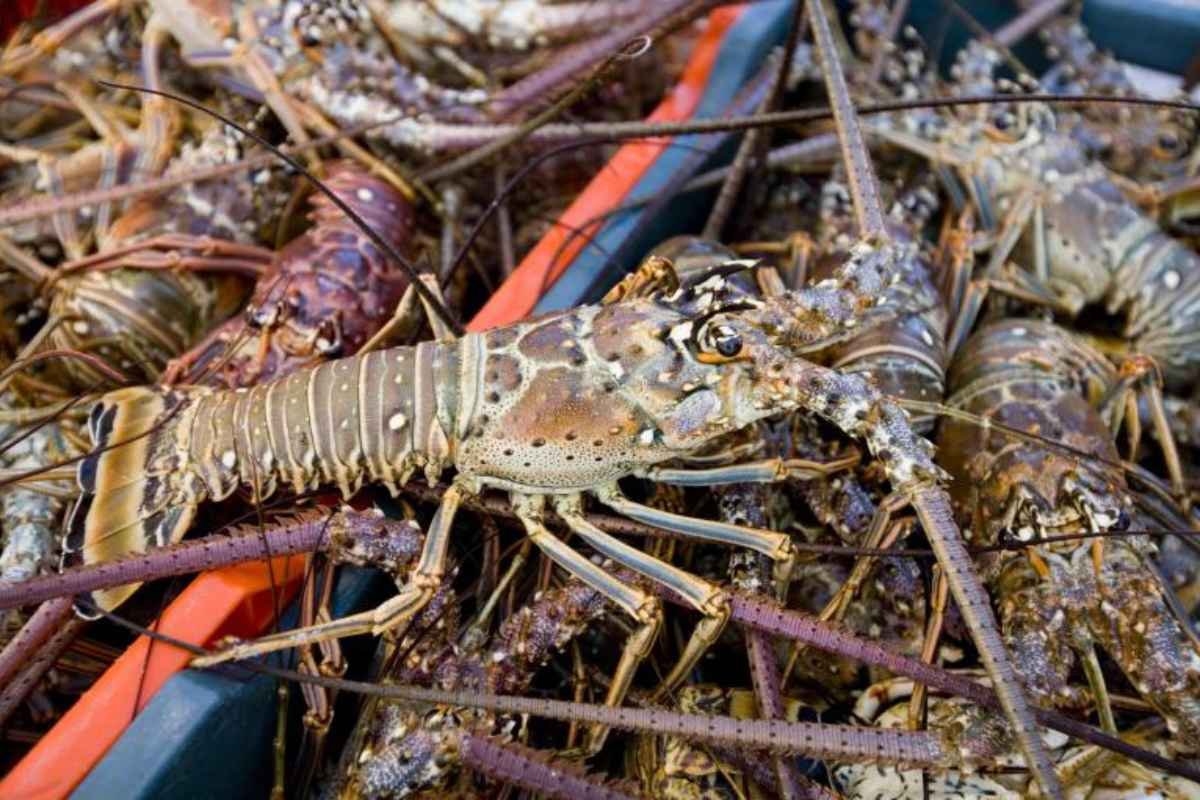
Cancún, Quintana Roo — Lobster and Mayan octopus caught by fishing cooperatives in Quintana Roo now reach hotels across the Mexican Caribbean and are also exported to Miami, the Dominican Republic and Spain through companies specializing in international hotel supply.
One of those firms is Vima Foods, an Iberian company with annual revenue of more than $70 million that operates in several Mexican states as well as in Spain, Cuba, the Dominican Republic and the United States. The company buys lobster and Mayan octopus directly from fishing cooperatives — the two products make up the largest share of its local sourcing — according to Juan Manuel López, the company’s director of operations.
Which Quintana Roo seafood goes abroad?
Lobster is caught in Quintana Roo from Puerto Juárez and Puerto Morelos up to the northern part of the state, while Mayan octopus, a species exclusive to Yucatán, comes from Puerto Progreso.
Vima Foods makes two lobster purchases a year and two of Mayan octopus, plus three annual shrimp purchases from the Pacific, mainly from Sinaloa and northern Mexico. In economic terms, lobster and octopus account for almost 30% of the raw materials the company buys, and a significant share of those products is later exported.
How the hotel supply chain works
Quintana Roo dominates the operation. More than 60% of Vima Foods’ activity is concentrated in the state because of the volume of hotels, rooms and tourists it receives, making Quintana Roo not only a consumption hub but also the base from which local seafood is sold into other markets.
To keep up with that volume, the company expanded its frozen and refrigerated food storage capacity from 600 cubic meters 18 months ago to almost 3,000 cubic meters today, a reflection of the scale it has reached in supplying hotels and exporting local products.
López said buying directly from cooperatives in Quintana Roo and Yucatán allows the company to supply Mexico’s leading tourist destinations and to export high-value species that fetch strong prices in other markets.
In the Mexican Caribbean, the company reports monthly sales of $2.5 million, compared with $250,000 combined in Los Cabos and Puerto Vallarta. The gap reflects the fact that 80% of the occupancy of its chain-hotel clients is concentrated in Quintana Roo. The company grew 40% over the past year, beating its 30% target, despite challenges including sargassum, hotel oversupply and the effects of perceptions surrounding the World Cup.
More Business
- Cancún’s El Parián Market Endures as a Working-Class Hub After 48 Years
- Isla Mujeres Returns to New Orleans DEMA Show to Boost Dive Tourism After Seven-Year Absence
- Unicaribe Graduates Tell Cancún Engineering Students AI Is Reshaping the Job Market
- Cancún Airport Schedules 953 Flights in Best Weekend Since August
- Cancún Street Markets See Sales Climb 15-20% as Vendors Return
More Quintana Roo
- 28 Children in Quintana Roo Shelters Are Eligible for Adoption
- Cancún, Playa del Carmen and Chetumal Account for 81% of Quintana Roo’s Disappearances
- Mexico November 16 holiday: triple pay for workers
- El Dorado Royale Opens First Aquaponics Agrotourism Farm in the Riviera Maya
- SOC Places 136.6 Million Pesos in Business Loans in Quintana Roo