Cancún, Quintana Roo — The state of Quintana Roo has taken a major step in environmental conservation and sustainable tourism by officially filing a request for a geographical indication to protect the bull shark as a living species, a first-of-its-kind initiative that aims to promote responsible wildlife viewing.
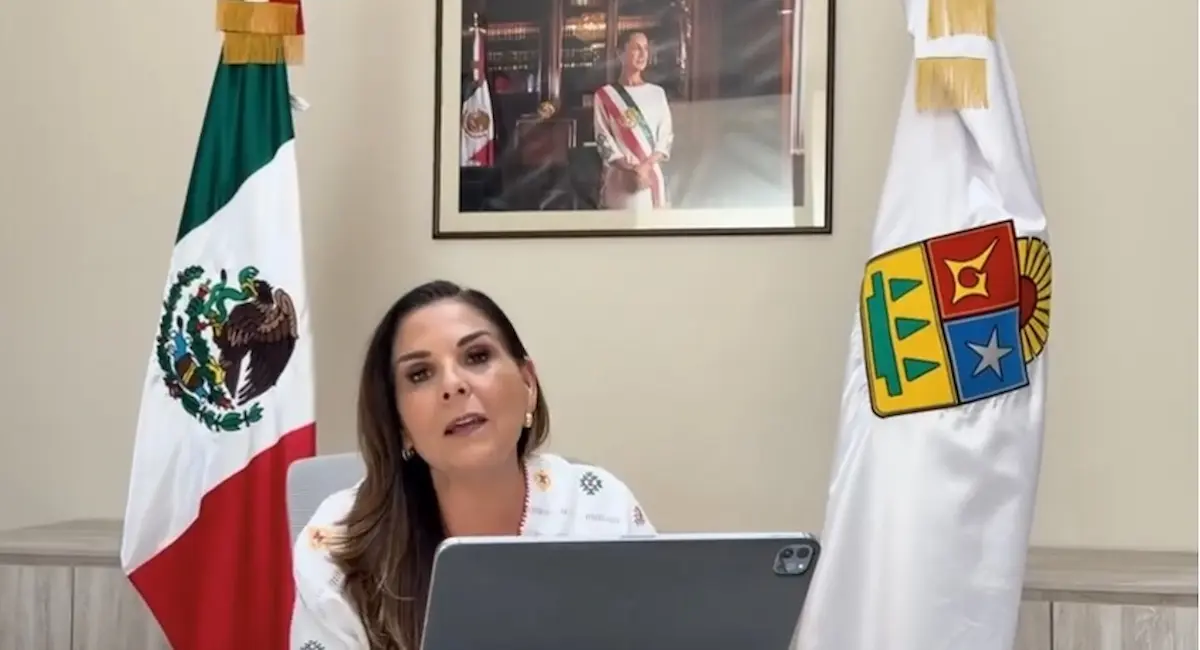
Governor Mara Lezama Espinosa announced that the application was published in the Official Gazette of the Federation, making Quintana Roo the first state in Mexico and the first place in the world to pursue a geographical indication of this nature.
Traditionally, geographical indications are granted to animal-derived products such as dairy and meat. However, this proposal takes a different approach by seeking to protect the bull shark as a living species and turn it into a driver of sustainable development.
“The most important thing is to care for the species, protect it from extinction, and generate economic activity based on its conservation,” Lezama said.
The initiative aims to shift the bull shark’s economic value from the primary sector to the tertiary sector by promoting tourism activities such as shark watching, allowing domestic and international visitors to observe the animals in their natural habitat along the Quintana Roo coast.
Each year, between November and March, bull sharks arrive in the waters of the Mexican Caribbean, a natural phenomenon that could become a unique tourism experience with international recognition.
Lezama noted that the proposal will contribute to environmental balance, strengthen marine biodiversity conservation, and create local development opportunities for communities linked to tourism.
The process still requires several legal stages, including a consultation and review period for interested third parties, before the geographical indication can be officially granted.
If approved, the designation would join other emblematic regional products that already have origin protection, such as Quintana Roo honey, Mayan octopus, Mayan chewing gum, and the denomination of origin for habanero chili.
The governor said the initiative represents a major advance for the protection of the bull shark and for strengthening the tourism offerings of the Mexican Caribbean, combining environmental conservation with sustainable economic development.
More Environment
- Maya Frog and Toad Shell Pendants May Reveal Ancient Trade Routes
- Heavy Rains to Soak Quintana Roo as Unstable Weather Moves In
- Brain-Eating Amoeba Found in Six Artificial Lakes in Mérida; Water Contact Restricted
- Semarnat Approves Artificial Reefs and Sand Relocation for Akumal Hotel
- Chetumal Plans 836 Million Pesos in Stormwater Works to Curb Flooding
More Quintana Roo
- Mexican Caribbean Courts Convention Business at Las Vegas Trade Show
- Ten Rural Communities in Quintana Roo Form Community Conservation Territories
- Study Finds Cancún’s Laguna Manatí Mangrove Could Qualify for Carbon Credits
- Lawmakers Seek to Make Mexican Sign Language Mandatory in Quintana Roo Schools
- Quintana Roo Signs Deal for First Formal Sargassum Fishery, Involving Up to 840 Boats