
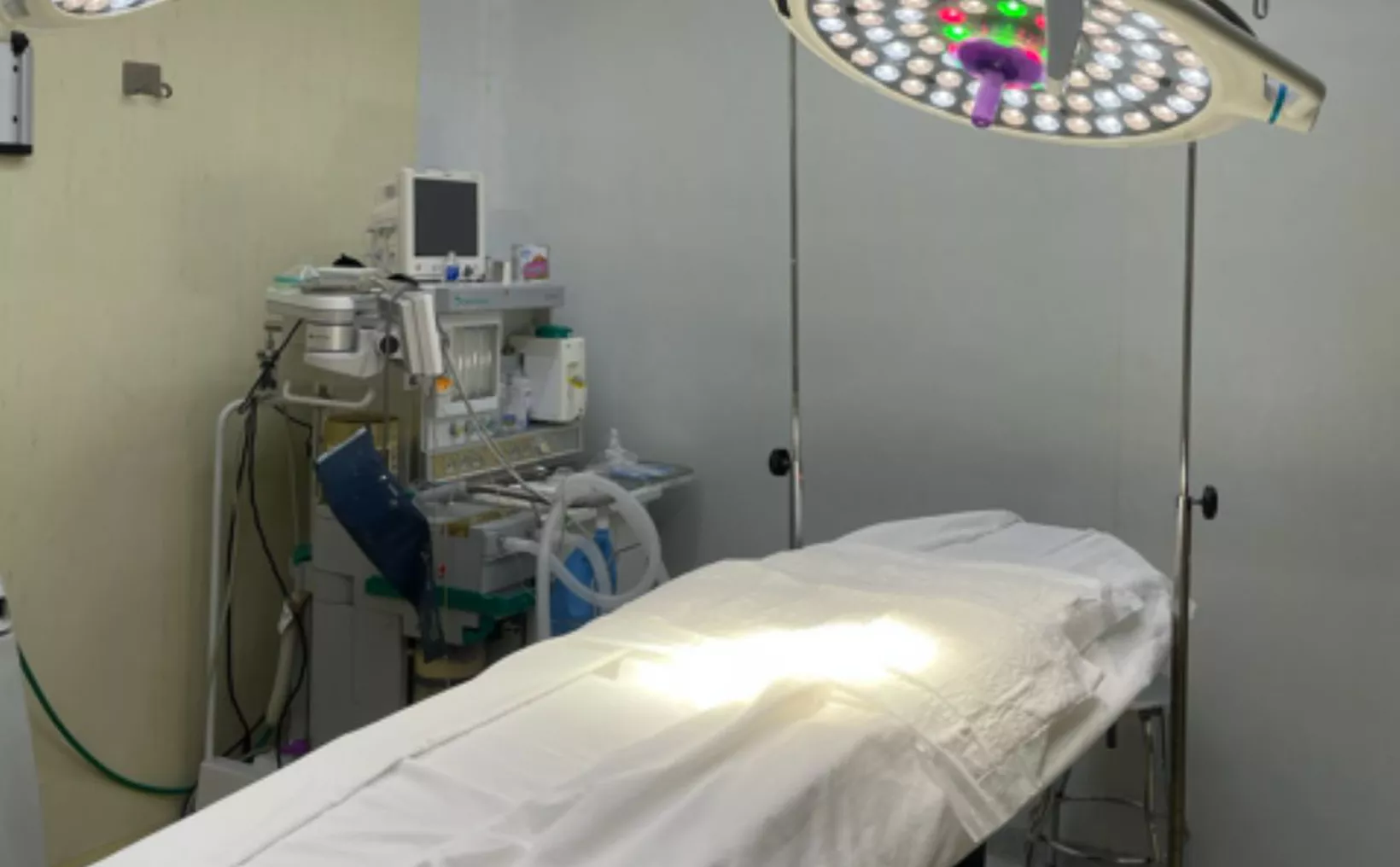
Cancún, Quintana Roo — Medical tourism in Quintana Roo continues to draw about 25,000 patients a year, most of them from the United States, and the steady demand is fueling an expansion of hospital infrastructure, new clinics and new specialties across Mexico’s Caribbean coast.
Andrés Jurado, director of the specialist firm My Medical Vacations, said the health segment held stable in 2026 even as other parts of the tourism industry were hit by sargassum seaweed and higher airfares.
“What we do know is that supply grew, and we’re very pleased about that. More clinics, more hospitals arrived, more specialists came this year. So we believe we now have greater installed capacity, and there are hospitals under construction right now,” he said.
Spending per patient climbs 20%
Average spending per patient rose from $11,000 to $13,500 over the past year, a 20% increase Jurado linked to the exchange rate. Even so, he said, treatment in the region still costs up to 80% less than in the United States.
Most patients pay out of pocket rather than through insurance, he added, because even people with coverage at home face deductibles that exceed the full cost of treatment in Cancún, including travel and lodging.
New specialties beyond plastic surgery
The growth in supply reflects specialties that the destination did not previously offer. Alongside plastic and bariatric surgery, which have traditionally led the market, clinics are now seeing demand for low-complexity general surgery such as hernia repair, orthopedics with joint replacements, and executive check-ups, which grew more than 30%. Regenerative medicine and addiction-treatment clinics offering innovative therapies aimed at the U.S. market are also expanding.
The demand is drawing both domestic and foreign investment. Hospiten is enlarging its facilities; Costamed and Amerimed have added floors and relocated consulting rooms to turn their main building into a larger hospital; and Galenia holds international certifications. New entrants include Fifty Doctors, backed by Mexican capital, and a medical center from Grupo Wyndham in the Riviera Maya.
Two companions per patient
Jurado said medical travelers typically arrive with two companions. The United States remains the main source market, while Canada slipped slightly because of the exchange rate against the dollar.
The segment grew at a double-digit pace for the past decade before leveling off in 2026, but it now offers a wider range of services and draws high-level specialists — factors that strengthen the Mexican Caribbean’s position as a health hub.
More Tourism
- Kukulcán Interchange Opens First Elevated Section in Cancún, Redrawing Hotel Zone Routes
- Can Cancun Win Winter Back? Flights and Flexibility Hold the Key
- Canadian Tourists Flock to Mexico as U.S. Visits Drop
- Cancun Airport Lines Up 443 Flights for October 31
- Free Taste of Quintana Roo’s Ancestral Cooking in Tulum
More Cancun
- Cancún Restaurants to Cut Shifts Rather Than Hire as 40-Hour Workweek Nears
- Quintana Roo Restaurants Face 55 Closures, 500 Job Losses
- Boat Noise Is Drowning Out the Natural Sounds of Mexican Caribbean Reefs, Researchers Warn
- Hanal Pixán Celebrations Draw 24,000 to Puerto Juárez in Cancún
- Quintana Roo to Finish 67 School Canopies in 2026 With 240 Million Pesos
