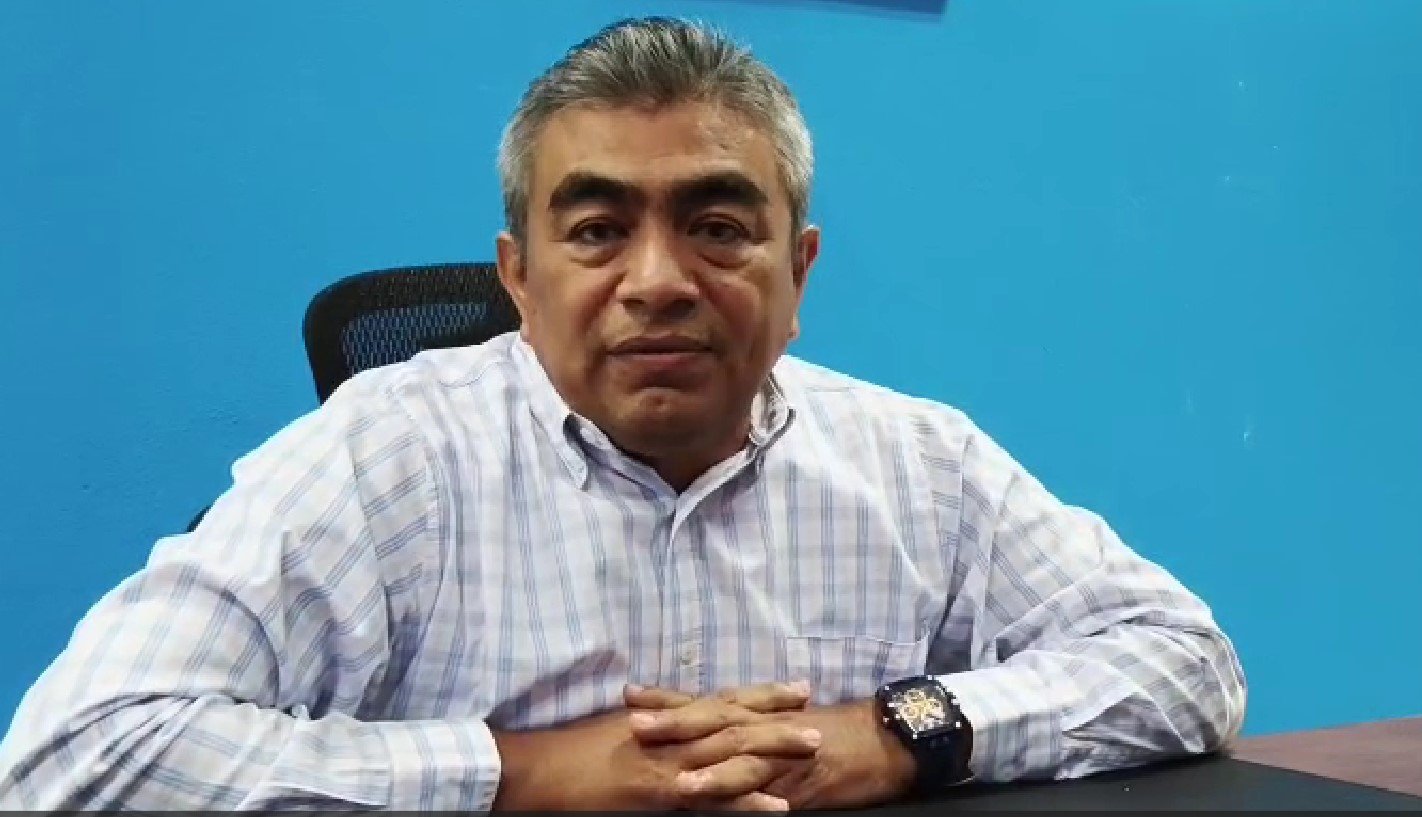
Playa del Carmen, Quintana Roo — A Playa del Carmen councilor is challenging the indigenous community consultations that Mexico’s Environment and Natural Resources Secretariat (Semarnat) has attached as conditions to several development projects, arguing that the rules governing the process are unclear.
Juan Novelo Zapata, the city’s thirteenth councilor and chair of the Municipal Commission on Indigenous Affairs, said the requirement raises questions about which procedures and mechanisms should be followed.
He pointed to conditions the federal agency set for projects including the expansion of the Xcaret theme park and the restoration of Bahía del Carmen beach, both of which call for consultation processes with indigenous communities.
In the Bahía del Carmen case, Novelo Zapata said, the environmental authorization requires either implementing a consultation protocol or submitting a document from the National Institute of Indigenous Peoples (INPI) stating whether such a consultation is warranted.
The councilor said that, in his view, these procedures are not clearly defined in the applicable regulations — particularly regarding who should organize the consultations, how they should be carried out and what mechanisms communities have to take part.
He stressed that his position is not opposed to indigenous participation in projects that could affect their territories or interests, but said clear rules must be established in advance to determine when a consultation is appropriate and how it should be conducted.
He added that officials also need to define which agency would be responsible for issuing the calls, running the procedures and guaranteeing that the communities involved can participate.
Call for Federal Clarity
Novelo Zapata said federal authorities should spell out the mechanisms and scope of the consultations before imposing them as conditions for project approvals.
He noted that the federal government has promoted an institutional message of simplifying procedures, warning that adding new requirements without sufficiently clear rules could create further obstacles for those seeking to develop projects.
The councilor also argued that if consultations with indigenous peoples are an obligation, they should apply under general criteria rather than only to projects promoted by private companies.
As an example, he cited large federal works built in Quintana Roo, including the Tren Maya railway and the Tulum International Airport, saying no consultations with indigenous peoples were carried out for those projects under the same standards now being proposed for private developments.
He called on Semarnat to clarify when and why an indigenous consultation is required, and to establish precise mechanisms for both private projects and public works.
More Development
- Cancún Urban Development Plan Reaches 50% as Officials Weigh Where City Can Grow
- Isla Mujeres Residents Demand Land for Cemetery, Market and Slaughterhouse
- Cozumel Residents March Against Malecón Rehabilitation Project
- Playa del Carmen Draws Over $1.6 Billion in New Tourism and Real Estate Projects
- Quintana Roo Seeks Federal Funds for $2 Billion Cancún Prison
More Playa del Carmen
- Mexico City, Cancún and Puerto Vallarta Top Searches for Independence Day Weekend
- Playa del Carmen Reviews Playaparq Parking Concession Amid Up to 15 Weekly Complaints
- Playa del Carmen Awaits Federal Approval to Return 20,000 Tons of Sand Recovered from Sargassum
- Playa del Carmen Projects Higher 2027 Revenue From Vacation Rentals and Hotel Occupancy
- Dead Sea Turtle Hatchlings Found With Dog Bites at Playa del Carmen Beach