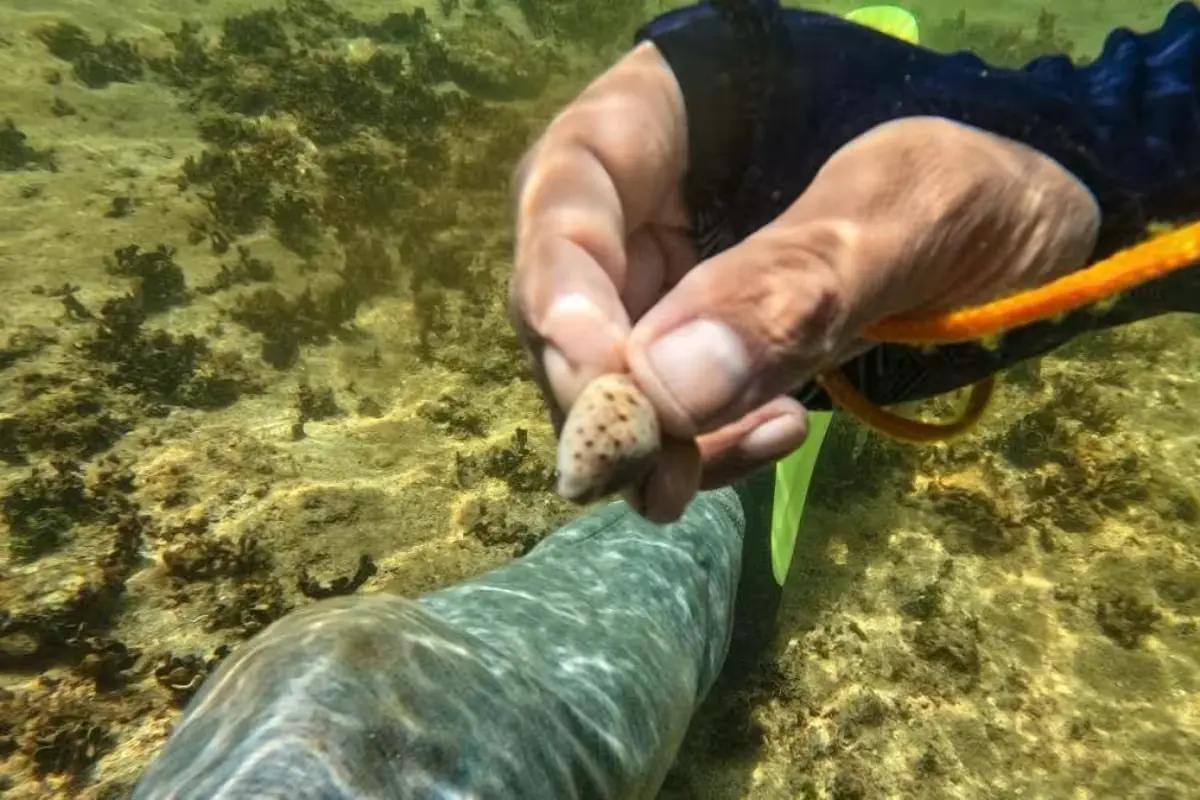
Playa del Carmen, Quintana Roo — Microplastics have been detected in endemic fish in cenotes across Playa del Carmen, according to the environmental group Cenotes Urbanos, raising fresh concerns about the health of the region’s underground water system.
The group said it has explored and mapped more than 300 caves and cenotes in the municipality, and water analysis has revealed signs of contamination, including microplastics in native fish species.
Humberto Ruiz, an activist and cave and cenote expert, said the findings are worrying. “We are exploring cenotes and caves, mapping them, understanding the state of each one, and delivering the information to the municipal government,” he said.
Ruiz said two cenotes in the Palmas 2 residential area are next on the list to be explored and mapped. He also noted that the contamination problem isn’t limited to the water: “At night there is too much smoke in the air, and we have to do something to avoid this catastrophe that ultimately affects the health of the population,” he added.
The activist warned that the entire Riviera Maya serves as the largest water catchment area on the Yucatan Peninsula, with water flowing from the interior toward the coast. “We all have to be aware not to contaminate the bodies of water,” he said.
Cenotes Urbanos said its goal is to map and register the caves, conduct water analysis, and pass the information to authorities at all three levels of government so they can work together to protect the entire aquifer system.
The analysis conducted by Cenotes Urbanos and the Center for Research and Advanced Studies of the National Polytechnic Institute (Cinvestav) found microplastics in endemic fish. “This is very serious, because not only animals outside have microplastics, they have already reached inside the caves,” Ruiz said.
Microplastics in caves and karst systems can alter fragile underground ecosystems by contaminating aquifers, introducing toxic chemicals, and harming the rare fauna adapted to darkness. These particles travel through rainwater filtration, floods, or wastewater discharge, accumulating in deep sediments where there is no sunlight or rapid decomposition, experts say.
Ruiz described the situation as an “SOS” and made an urgent call to the public. “It’s our water, our air, our life that is deteriorating,” he said.
More Environment
- Mexican Navy Opens Youth Photography Contest on Ocean Conservation
- WHO Warns El Niño Poses Major Global Health Threat
- Hurricane Polo Hits Category 5; Five Mexican States Brace for Heavy Rain
- Isla Mujeres Fishermen Face Grouper Shortage as Catch Barely Covers Local Demand
- Cancún Officials Urge Residents to Protect Pets After Reported Puma Sighting in Cuna Maya
More Playa del Carmen
- Playa del Carmen Beach Restoration Clears Environmental Hurdle, Mayor Says
- Bidding Process to Define Renovation of More Than 10 Parks in Playa del Carmen
- Body Cameras Reduce Complaints Over Police Detentions in Playa del Carmen
- Lone Robber Steals 3,000 Pesos From Playa del Carmen Pharmacy
- Three Raids in Playa del Carmen and Cancún Net One Detention and Suspected Drugs