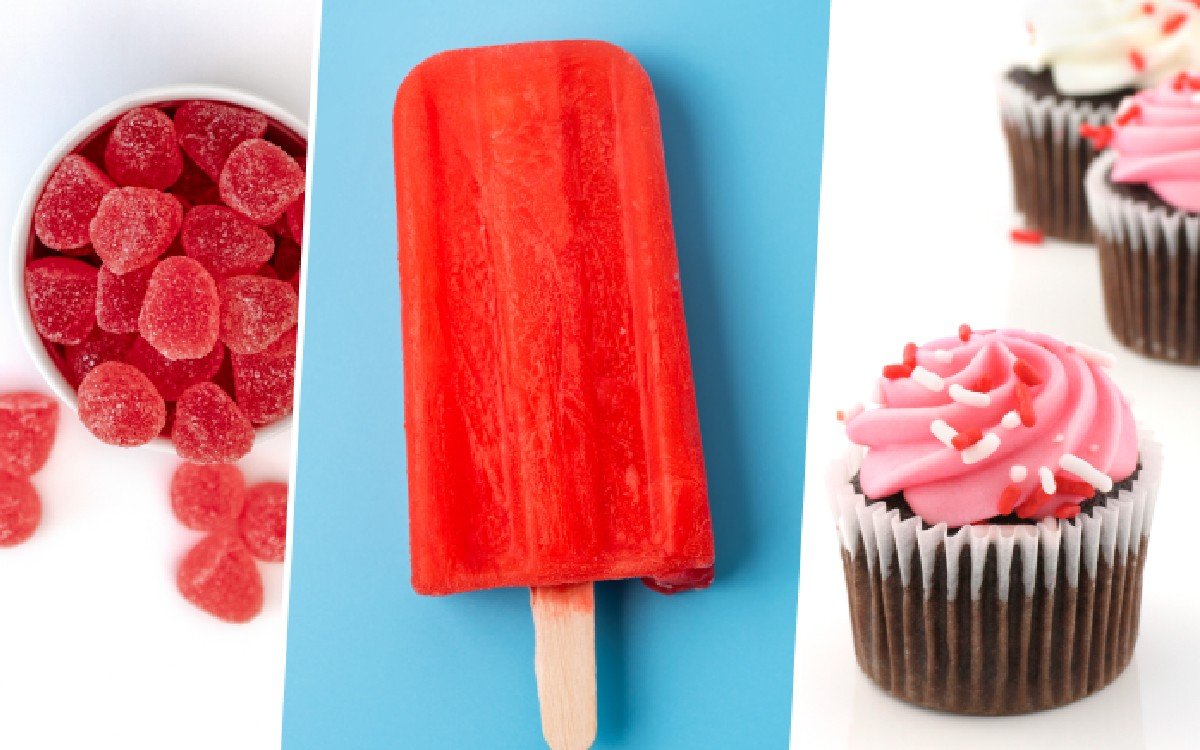
Mexico City — Mexico has banned the use of the artificial red dye erythrosine — also known as Red 14 or Red 3 — in food, beverages, and dietary supplements, the Health Ministry announced.
The measure follows a risk analysis by the Federal Commission for the Protection against Sanitary Risks (Cofepris), which found that the Mexican population’s exposure to the additive doubles the acceptable daily intake, even without considering non-food sources. The analysis concluded that consumption levels exceed established safety margins, making it impossible to guarantee safe use.
The investigation also revealed that erythrosine was being used in products not explicitly covered by previous regulations, including gelatin and flan powders, chewing gum, soft candies, and gummy sweets. Cofepris noted that these items are heavily consumed by children, highlighting a gap between existing rules and market practices.
International toxicological evaluations cited in the analysis referenced studies in which the substance caused thyroid tumors in male rats.
Based on the evidence, the Mexican government applied the precautionary principle, a mechanism that allows restrictions or bans when there is evidence of potential public health risks. The agreement removes erythrosine from the official list of permitted additives in the country.
Manufacturers have been given 24 months from the day after the agreement’s publication to replace the dye, develop alternatives, and exhaust existing inventories.
In March 2025, the civil organization El Poder del Consumidor had already warned about the risks of artificial colorants — including Red 3, Red 40, and titanium dioxide — in ultra-processed children’s products, linking them to hyperactivity, neurobehavioral issues, colon inflammation, and potential carcinogenicity.
More Lifestyle
- Cancún Opens Registration for Janal Pixan 2026 Catrina and Altar Contests
- Brain-Eating Amoeba Found in Six Artificial Lakes in Mérida; Water Contact Restricted
- Cancún Launches 2026 Ocular Prosthetics Program With Free Evaluations
- Playa del Carmen Health Center in Villas del Sol to Close Two Days for Maintenance
- Tulum’s Mureco Museum Adds 53 Archaeological Pieces From Across Mesoamerica