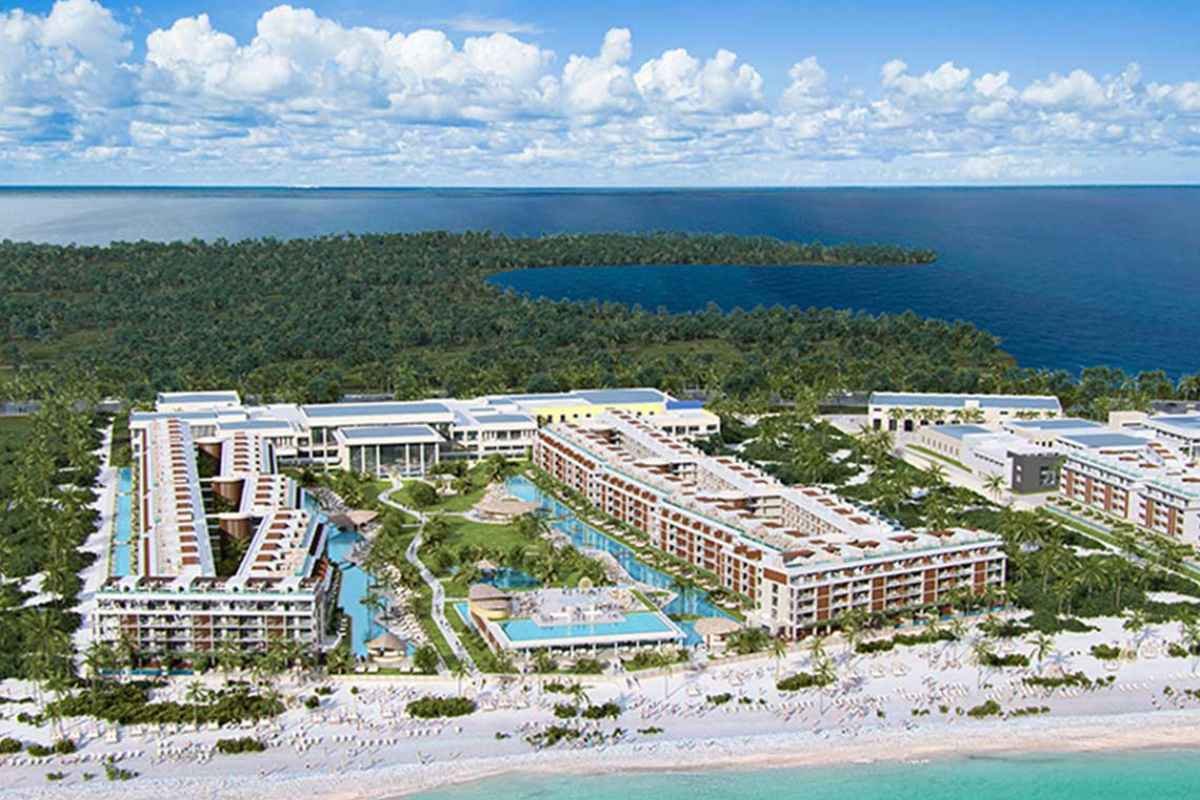
Cancún, Quintana Roo — The Mexican Caribbean’s hotel industry kept expanding through 2026, with Cancún and the Riviera Maya accounting for more than half of all hotel rooms now under construction in Mexico.
Quintana Roo is home to 140,592 hotel rooms across 1,479 lodging establishments, according to the federal Tourism Secretariat. The municipality of Benito Juárez, which includes Cancún, alone holds 47,344 rooms in 215 properties.
The state also ranks first in Mexico for tourist arrivals at hotel rooms, with 18,381,646 visitors. That base has made Quintana Roo one of the country’s most important markets for suppliers of food, beverages, cleaning products, laundry, maintenance, transport, technology and specialized services.
New Developments and Multimillion-Dollar Investment
A report by CBRE Group, the world’s largest commercial real estate services and investment firm, found that Mexico had more than 17,000 hotel rooms under construction as of mid-year, with roughly 3,200 of them potentially reaching the market.
Cancún accounted for 18 percent of the rooms under construction, while the Riviera Maya represented 31 percent of the new units available and Cancún another 22 percent. Together, the two destinations accounted for more than half of the new supply identified by the firm.
Fresh capital is also showing up in new openings. The St. Regis Costa Mujeres began operating in June, a project backed by a $250 million investment. It generated about 2,000 jobs during construction and opened with 250 direct positions, with expectations of reaching 350 in its first year.
Each new resort raises demand for goods and services. Hotel operations require lodging, food and beverage, maintenance, security, laundry and recreation staff, along with purchases of kitchen equipment, refrigeration systems, furniture, linens, cleaning products and logistics services.
Steady Arrivals and the Occupancy Challenge
The growth in supply helps explain why occupancy rates have not advanced as quickly as the infrastructure.
Between January and April 2026, the Mexican Caribbean received 6,986,779 tourists, almost identical to the 6,996,474 recorded in the same period of 2025, according to the Quintana Roo Tourism Secretariat.
In other words, visitor numbers held steady while the number of available rooms rose. A lower share of occupied rooms therefore does not necessarily signal a contracting market — it may simply reflect that supply grew faster than demand.
Air Connectivity and Foreign Tourism Drive the Expansion
Connectivity continues to underpin the growth. Between January and April, Quintana Roo’s four airports handled 11,258,981 passengers. Cancún International Airport accounted for 10,497,575 of them, confirming its role as the main gateway to the Mexican Caribbean.
During the first four months of the year, 70.1 percent of tourists were foreign and 29.9 percent were Mexican. The United States contributed 35.9 percent of the total, Canada 18.1 percent and Mexico 29.9 percent.
For the industry, the challenge is no longer simply building more hotels but ensuring that visitor arrivals keep pace with room growth. In the meantime, the expansion is keeping a broad economic chain active and opening opportunities for suppliers able to meet the volumes, standards and schedules that international hotel operators demand.
More Development
- Quintana Roo to Build Three Margarita Maza High Schools in Cancún by 2027
- Cancún Residents Say 3 Million Peso Park Won in 2023 Was Never Built
- Quintana Roo Loses Nearly 15,000 Hectares of Jungle a Year as Real Estate Boom Drives Deforestation
- Cancún Plants 3,531 Trees, Keeps Sights on 11,000 Target by 2027
- Cozumel Adds 25 Wells to Boost Drinking Water Supply
More Cancun
- Cancún Searching Mothers Reopen Outbound Lanes but Keep Hotel Zone Blockade
- Cancún’s El Parián Market Endures as a Working-Class Hub After 48 Years
- Unicaribe Graduates Tell Cancún Engineering Students AI Is Reshaping the Job Market
- Cancún, Playa del Carmen and Chetumal Account for 81% of Quintana Roo’s Disappearances
- Cancún Airport Schedules 953 Flights in Best Weekend Since August