Puerto Vallarta, Jalisco — A 28-year-old tourist died after an apparent crocodile attack near the beach area of the Marriott hotel in Marina Vallarta, prompting renewed warnings about crocodile safety in coastal resort communities.
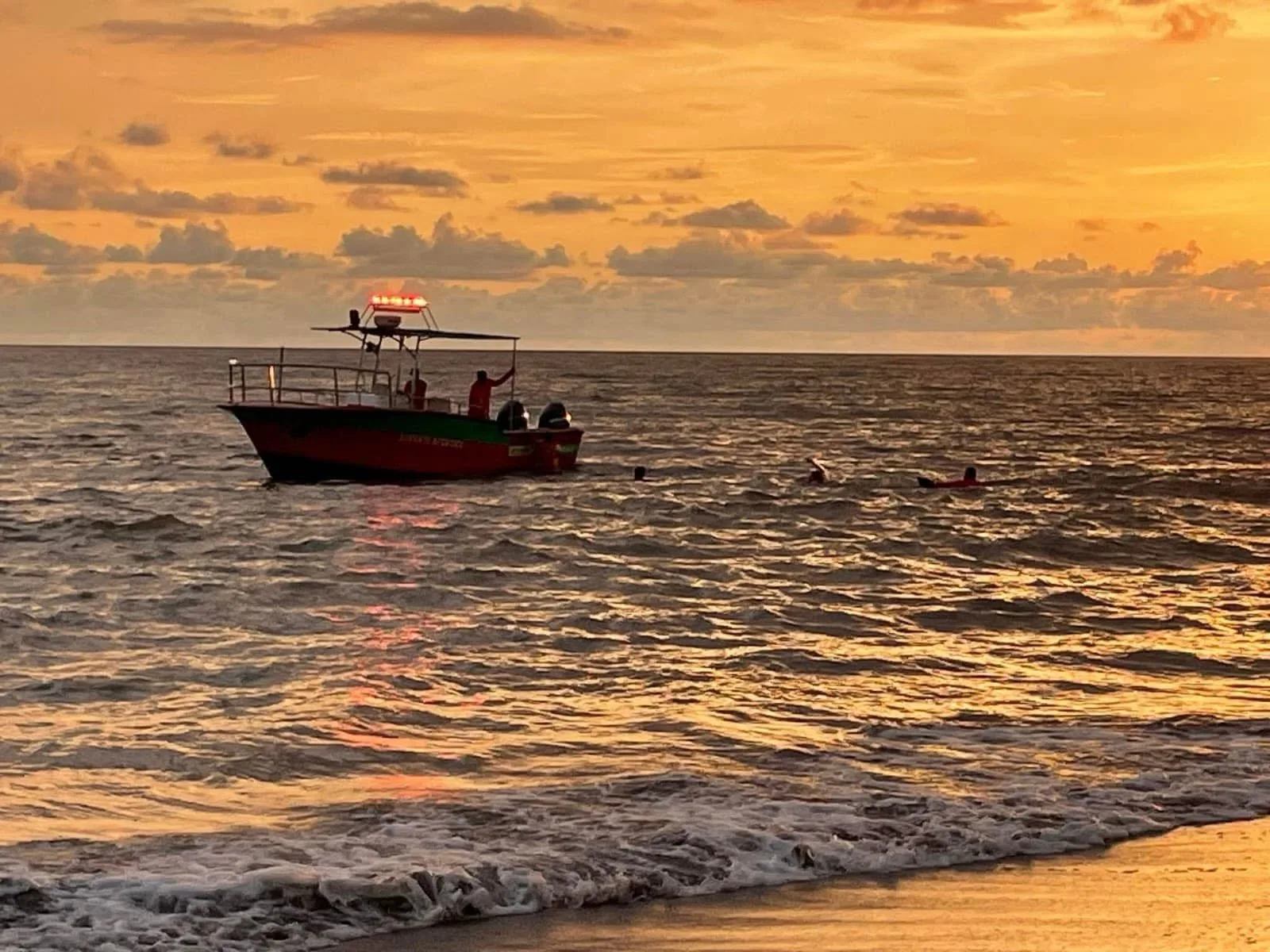
The incident was reported Friday evening, June 26, near the Marina Vallarta hotel zone. According to local and national reports, the man was in the beach area when witnesses said he was attacked by a crocodile and pulled toward the water. Emergency crews launched a large search operation involving municipal Civil Protection and Firefighters, Jalisco state Civil Protection, lifeguards, police, and the Mexican Navy.
The search continued through the night. The man’s body was located Saturday morning in the sea, at a distance reported by different outlets as between roughly 500 meters and one kilometer from the original incident site. Authorities have not released the victim’s full identity, and investigations are ongoing.
While the exact circumstances are still being reviewed, officials confirmed the case generated a major emergency response in one of Puerto Vallarta’s busiest tourist areas.
Why Crocodiles Are Found Near Marina Vallarta
For many visitors, the presence of crocodiles near a hotel beach can come as a surprise. For local biologists, it is not unusual. Marina Vallarta sits close to estuaries, canals, mangroves, and river-fed coastal areas that form part of the natural habitat of the American crocodile, known in Mexico as the cocodrilo de río. The nearby El Salado estuary is one of the most important wetland areas in Puerto Vallarta and serves as habitat for crocodiles, birds, reptiles, and other wildlife.
Researchers from the University of Guadalajara’s coastal campus, CUCosta, have previously estimated that between 250 and 300 crocodiles may live in the wider area from the Ameca River in Puerto Vallarta to Laguna El Quelele in Bahía de Banderas. That does not mean crocodiles are present on every beach, but it does mean the greater bay region is established crocodile habitat.
The American crocodile is a native and protected species in Mexico. It is not an invasive animal, and its presence is part of the coastal ecosystem. The issue is not that crocodiles are “invading” tourist areas. The issue is that human development, shrinking wetland habitat, canals, marinas, golf courses, and beach activity increasingly overlap with the places crocodiles already live.
Why Sightings Can Increase During Rainy Season
Crocodile sightings often become more common during the rainy season, roughly June through October, when rivers, streams, canals, and estuaries swell and connect more directly with the sea. Heavy rain can move crocodiles from lagoons and waterways into river mouths, marina areas, beaches, and coastal channels. This is why sightings are more likely near river outlets, estuaries, mangrove edges, canals, and beaches close to freshwater flows.
In Puerto Vallarta and Bahía de Banderas, higher-risk areas can include Marina Vallarta, Boca de Tomates, beaches near river mouths, the Ameca River outlet, the Pitillal River outlet, canals, golf course water features, and mangrove zones.
The same basic lesson applies in other coastal areas of Mexico, including Quintana Roo: where mangroves, lagoons, canals, estuaries, and tourism development meet, wildlife encounters are possible.
This Was Not the First Incident in Puerto Vallarta
Puerto Vallarta has seen crocodile-related incidents before. In 2021, a California teenager was seriously injured after being attacked by a crocodile while swimming late at night near the Marriott Puerto Vallarta Resort & Spa. In 2022, two American tourists were injured in another nighttime crocodile attack in Puerto Vallarta after one entered the water and the other tried to help.
Local researchers have also documented earlier crocodile attacks in the Puerto Vallarta region, including non-fatal cases from previous decades. While fatal attacks remain rare, these incidents show that the risk is real in certain areas and should not be dismissed.
Safety Advice for Visitors and Residents
This is not a reason to panic or avoid the coast. Millions of people visit Puerto Vallarta, Riviera Nayarit, the Riviera Maya, Cozumel and other Mexican beach destinations safely every year. The key is understanding where the risk is highest and adjusting behavior accordingly.
Beachgoers should be especially cautious near river mouths, marina canals, estuaries, mangrove edges, golf course lagoons, and areas with warning signs. These are not good places to swim, wade, fish from the edge, or let children play unsupervised near the water.
Visitors should also avoid swimming at dawn, dusk, or after dark in areas where crocodiles may be present. Crocodiles are generally more active during low-light hours, but daytime sightings and encounters can happen, especially during rainy season or near known habitat. Daylight should not be treated as a guarantee of safety.
If a crocodile is seen in or near the water, people should calmly leave the area, move well back from the shoreline, and alert lifeguards, hotel staff, Civil Protection, or local authorities. Do not approach the animal, throw objects, try to scare it away, or stop to take close photos.
Extra Caution With Dogs
Pet owners should be particularly careful near canals, estuaries, marina docks, river mouths, and quiet shoreline areas. Dogs can attract crocodiles because they move, splash, and make noise near the water’s edge. Small dogs may be seen as easy prey, and even larger dogs are at risk if allowed to swim or wander near crocodile habitat.
Dogs should be kept leashed and away from the water in these areas. They should not be allowed to swim, wade, or run along canal banks or mangrove edges, even briefly.
Do Not Feed Crocodiles
Feeding crocodiles is dangerous for both people and wildlife. It can teach crocodiles to associate humans with food, making them more likely to approach boats, docks, beaches, and populated areas.
The same rule applies to all wildlife in tourist zones: do not feed, touch, chase, or pose close to wild animals. What seems like a harmless photo opportunity can change animal behavior and increase risk for the next person.
A Broader Reminder for Coastal Communities
The fatal incident in Marina Vallarta is tragic, but it also offers an important reminder for people living in or visiting Mexico’s coastal regions.
Crocodiles are part of the natural environment in many parts of the country, including Jalisco, Nayarit, Guerrero, Oaxaca, Chiapas, and the Yucatán Peninsula. In Quintana Roo, crocodiles are also found in lagoons, mangroves, cenote systems, canals, golf course water features, and coastal wetlands.
The safest approach is not fear. It is awareness. Respect warning signs. Avoid swimming near river mouths and mangrove-fed water. Keep pets away from the edge. Be extra cautious during rainy season. Report sightings to local authorities. And above all, give wildlife plenty of room.
Mexico’s beach destinations remain beautiful places to enjoy the water, but they are also living ecosystems. Sharing that space safely means understanding that the shoreline belongs to more than just people.
More Crime
- Gunmen Kill Dentist Outside Plaza Galerías in Cancún
- Mothers from Quintana Roo Search for Missing Relatives in Yucatán, Hoping to Find Them Alive
- Diocese of Cancún-Chetumal Warns of Man Posing as a Priest in Chetumal
- Two Suspected Drug Dealers Arrested in Playa del Carmen
- Students in Cancún Protest Alleged Sexual Assault at Teachers College