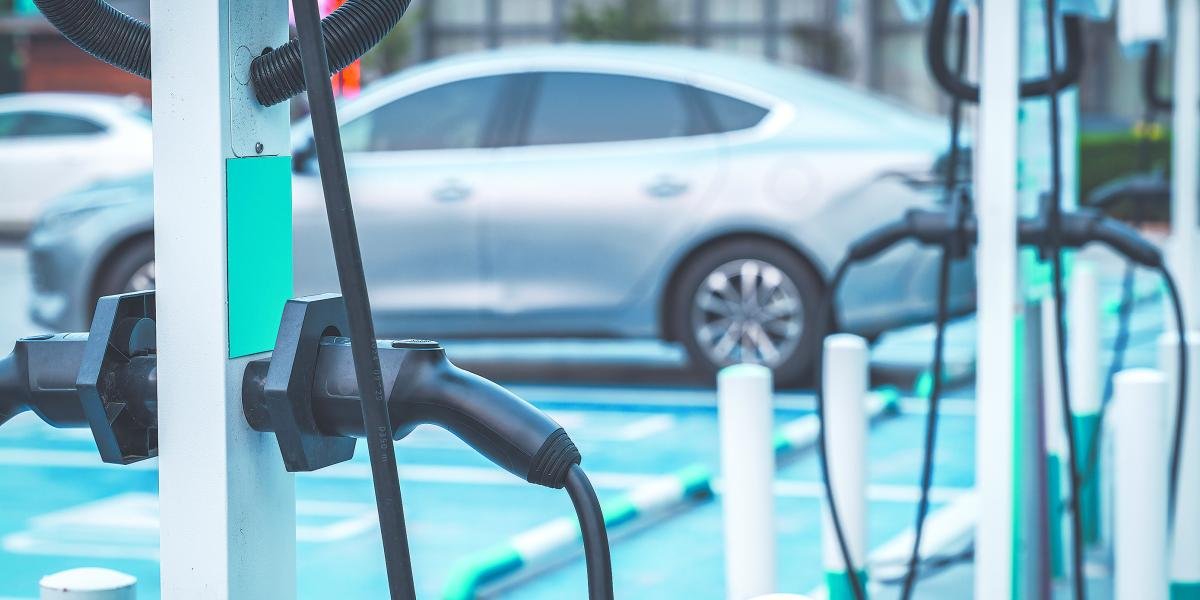
Mexico City — Electric vehicles are on track to dominate Mexico’s new-car market within two decades, with 66% of all passenger vehicle sales expected to be fully electric by 2040, according to BloombergNEF.
Stephan Mothe, a research analyst for Latin America at the energy research firm, said the shift is being driven by Mexico’s energy transition and by improving charging infrastructure. The forecast comes from BNEF’s Long-Term Electric Vehicle Outlook 2026, which included Mexico for the first time.
Mothe said expansion plans at the CFE (Federal Electricity Commission) through 2030 are moving in the right direction by bringing in private capital and holding tenders for mixed projects, which have drawn strong interest from the sector.
Cheaper electricity would be the main incentive for buying an electric vehicle, he said, and it aligns with automakers’ efforts to offer longer driving ranges and faster charging times that match the time a driver spends refueling at a gas station.
Mexico Passes 100,000 EV Sales
Mexico sold more than 100,000 electric passenger vehicles in 2025, with fully electric models and plug-in hybrids accounting for 7% of all national passenger vehicle sales. BNEF expects that share to approach 17% by 2030, cross the 50% threshold in 2037 and reach 66% in 2040.
After passing the 100,000-unit mark for the first time, Mexico has become Latin America’s second-largest electromobility market after Brazil — a milestone that earned the country a place in BNEF’s long-term outlook.
Chinese Brands Dominate the Market
Mothe said imports from Chinese manufacturers such as BYD, Geely and Changan Motors have been the main driver of growth. Together they captured an estimated 89% of Mexico’s electric passenger vehicle market in 2025, up from 67% in 2024.
Several non-Chinese automakers build electric vehicles in Mexico, but the vast majority of that production is exported to the United States, leaving them with only a limited presence in the local retail market. Chinese-origin vehicles accounted for about two-thirds of Mexican EV sales in 2024, a figure that climbed to nearly 90% in 2025.
Battery technology improvements and more affordable prices have been decisive in winning over Mexican consumers.
“China dominates the entire value chain today,” Mothe said. “Chinese brands are not only competitive on price — their technology improves substantially year after year.”
A Geopolitical Brake: USMCA
Despite interest from several Chinese brands in building plants in Mexico to supply both the local and regional markets, geopolitical pressure from the United States has made them cautious. Earlier announcements to build or acquire plants by companies such as BYD have entered pause or reassessment phases.
At the same time, a shift in U.S. energy and green-vehicle policies directly affects Mexico’s auto industry, which relies on the United States as its main export destination. Mothe said the situation also creates an opening for Mexico to develop a stronger domestic market and reduce its dependence on foreign demand.
More Economy
- Lee Heads to UN for Trump Talks, Then Mexico Summit
- Quintana Roo Transport Union Prepares Bid for 20% Fare Increase
- Tourism Occupancy in Holbox Slides Amid Economic Crisis and Erratic Weather
- Cancún Ranks Second in Mexico for Food Waste as Residents Discard 260 Grams Daily
- Quintana Roo Business Group Urges Taxpayers to Prepare for 2027 Fiscal Changes