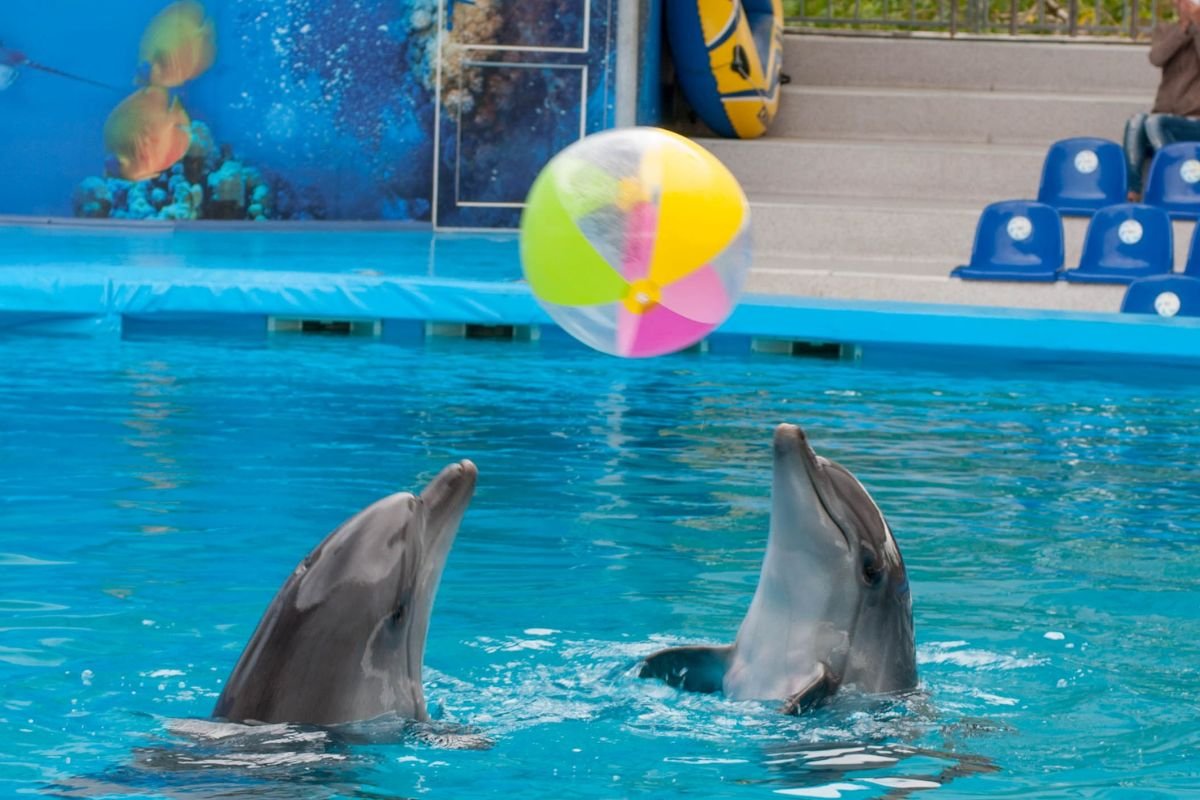
Cancún, Quintana Roo — Delphinus Blue Planet has walked away from a deal to acquire The Dolphin Company’s assets in Quintana Roo, leaving 101 marine animals without a defined destination, the company confirmed.
The animals — 87 dolphins, six sea lions and eight manatees — had been included in the proposed transaction. Delphinus said it withdrew “in the terms originally raised,” which covered the purchase of all of the company’s assets in the state, because it lacked access to the full information and documentation needed for a complete valuation.
Still, the company said it retains an interest in the opportunity and will now evaluate each asset individually, meaning no final decision on a purchase has been made. Delphinus added that it will keep any further communication confidential until a determination is reached.
Bankruptcy Process
Leisure Investments Holdings LLC, the corporate name behind The Dolphin Company, filed for Chapter 11 bankruptcy in the United States on March 31, 2025. The company operates water parks, dolphinariums and amusement parks. The filing launched a judicial process to restructure or liquidate its assets and settle creditor claims, including proposed sales of facilities and other holdings in Mexico.
The animals remain under the company’s care, but moving them to other facilities requires permits, welfare conditions and the approval of the U.S. Bankruptcy Court.
Delphinus notified the company that it was rescinding the asset purchase agreement it had signed on July 23. Among the problems it cited were disputes over who held legal authority to sell the assets, objections filed before the U.S. Bankruptcy Court, and judicial measures that prevented environmental authorities from carrying out administrative actions related to the Punta Nizuc park.
According to court records, The Dolphin Company also faced restrictions on some of its properties, a proceeding before Mexico’s competition authorities and interference from members of its former management.
Plan to Relocate the Animals
After the deal collapsed, the debtors changed strategy and are now looking for facilities that can take in the animals still in Mexico. Their proposal is to donate, hand over or transfer the animals, provided the receiving sites hold the necessary conditions and authorizations.
The debtors said they are working with consultants specializing in marine wildlife transport and government permitting to identify suitable facilities. Once those sites are identified and the transfer is confirmed to be safe, legal and financially viable, the corresponding authorizations must be requested to complete the handover. So far, the names of the centers expected to receive most of the animals have not been made public.
The bankruptcy documents outline an orderly shutdown, with Mexican subsidiaries allowed to close and liquidate only after every marine mammal in the country has been donated, handed over or moved to a facility able to care for it under Mexican law.
In Florida, the process unfolded differently. During the Chapter 11 case, The Dolphin Company closed or sold four marine facilities and either relocated the animals or kept them under care at the same sites. Some were sent to other parks, while others were handed to new institutions that took over their care.
Separately, the file shows that a process is still under way to sell Dolphin Discovery Vallarta, another of the company’s properties, to Tresmare, S.A. de C.V., so that a new operator can continue caring for the animals held there.
Sale Would Not Change Animals’ Legal Status
Mexico’s Federal Environmental Protection Agency (Profepa) told El Sol de México that a possible sale of The Dolphin Company’s assets would not by itself change the legal status of the dolphins, manatees and sea lions in the company’s care.
The agency said a commercial transaction does not automatically alter the legal situation of the animals, which remain subject to environmental law, documentation proving their legal origin, their management plan, and the applicable authorizations and administrative measures.
As a result, any change involving ownership of the registration, the operation of the facilities or the destination of the animals must be processed before the Directorate General of Wildlife of the Secretariat of Environment and Natural Resources (Semarnat).
Profepa added that when administrative proceedings, seizures, deposits or measures imposed by the agency are in place, a purchase and sale does not eliminate those obligations, and any change affecting compliance must be reported to the agency.
To determine who can assume responsibility for the animals, authorities must review the documents proving their legal origin and identification, as well as inventories, transfer authorizations, registrations and the management plan for each Wildlife Conservation Management Unit (UMA) or Wildlife Management Property or Facility (PIMVS).
The agency also made clear that the arrival of a new administration would not invalidate any environmental proceedings, sanctions or measures still in force.
More Business
- Monreal Proposes Ban on Hidden Fees in Online Purchases
- Southern Quintana Roo Hotels Confirm Drop in Booking Demand
- Cozumel Beach Club Kuzá Targets 4,000 Daily Visitors in Protected Area With CONANP Backing
- Quintana Roo Real Estate Market Matures Behind $1 Billion in Investment
- Sargassum and Low Season Drive Tulum Beach Weddings to Decade Low
More Quintana Roo
- No Long Weekend for Quintana Roo Students: Classes Held Sept. 14-15, Suspended Only Sept. 16
- Quintana Roo Bill Would Jail Pet Owners Who Abandon or Neglect Animals
- Illegal Trafficking Threatens Mexico’s Green Macaw, Expert Warns
- Least Tern Nests Under Watch in Sian Ka’an Reserve as Threats Mount
- Quintana Roo Removes More Than 124,000 Tons of Sargassum as Season Nears End