
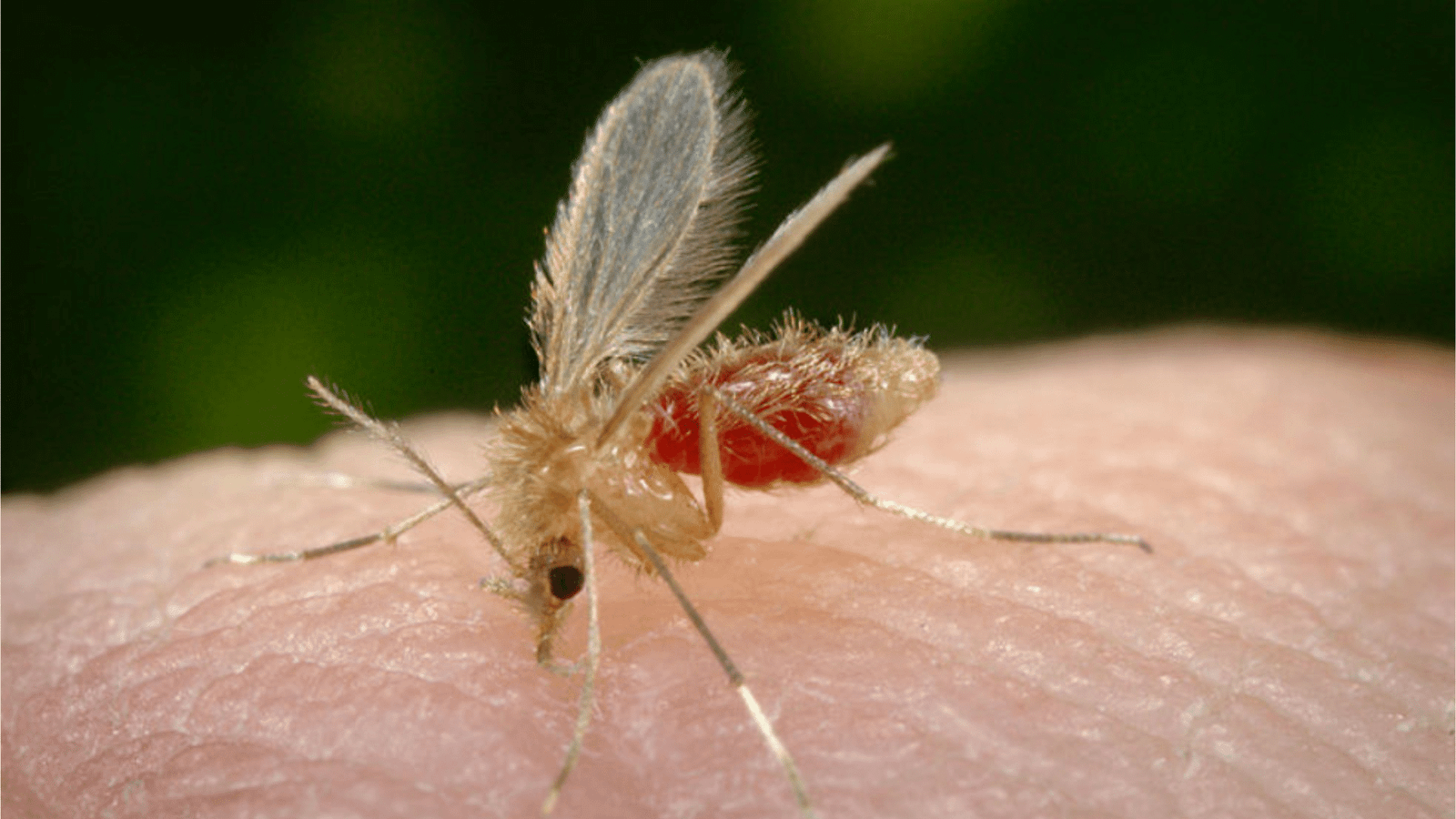
Quintana Roo, Mexico — Cases of cutaneous leishmaniasis across Mexico’s Yucatan Peninsula have risen 387.5 percent in 2026, climbing from 88 diagnosed patients to 429, according to federal epidemiological surveillance data.
The increase amounts to 341 additional cases compared with the same period last year and places Quintana Roo, Campeche and Yucatan among the states requiring close attention over the spread of the disease, which is transmitted through the bite of small infected insects.
Where the cases are concentrated
Quintana Roo accounts for the vast majority of patients, with 335 cases, followed by Campeche with 65 and Yucatan with 29. All three states have recorded increases, but most diagnoses remain in Quintana Roo.
- Quintana Roo: 335 cases, or 78.1 percent of the peninsula’s total, up from 64 a year earlier — a 423.4 percent rise, equal to 271 additional patients.
- Campeche: 65 cases, up from nine, a 622.2 percent increase — the steepest proportional growth of the three states.
- Yucatan: 29 cases, up from 15, an increase of 93.3 percent.
Although Campeche posted the largest percentage jump, Quintana Roo remains the main focus of concern because it holds the highest raw number of cases.
The trend extends a pattern seen in earlier months, when Quintana Roo already led Mexico’s leishmaniasis registries and accounted for a significant share of national diagnoses.
What is cutaneous leishmaniasis?
Cutaneous leishmaniasis is an infectious disease caused by parasites of the genus Leishmania, which enter the body through the bite of infected transmitting insects.
The insects, commonly known as sand flies, are small and live in environments with vegetation, humidity and organic matter, particularly in certain rural, jungle and forest areas.
Unlike other infectious diseases, cutaneous leishmaniasis is not spread by hugging, touching or living with a diagnosed person. The primary route of infection is the bite of an insect carrying the parasite.
One of the most characteristic symptoms is a small bump or lesion on the skin that can grow over time and become an ulcer. Sores typically appear on exposed parts of the body — arms, legs and face — because those areas are most vulnerable to bites.
In some patients, lesions can stay open for months and leave scars, making it important to seek medical care for a prompt diagnosis.
How the outbreak grew through the year
The 2026 increase marks one of the most significant shifts in the recent behavior of the disease in the region.
During the comparable period of 2025, 88 cases had been reported across Quintana Roo, Campeche and Yucatan. For the same period of 2026 the figure reached 429 — nearly five times as many diagnoses.
By June, Quintana Roo already led national leishmaniasis statistics with 217 accumulated cases. By September the number had risen to 310, confirming sustained growth over several months.
The state later came to concentrate six of every ten leishmaniasis cases recorded in Mexico, with a heavy presence of the disease in rural communities in the south of the state.
Although leishmaniasis is tied to the presence of transmitting insects in certain environments, available figures do not allow authorities to establish a specific cause for this year’s increase.
How to prevent infection
Prevention focuses mainly on reducing exposure to the bites of insects that carry the parasite.
- Wear clothing that covers the arms and legs, especially during activities in jungle, rural or heavily vegetated areas.
- Use appropriate insect repellent.
- Install mosquito nets and protective screens on doors and windows.
The public can consult information on the disease and other parasitic infections through the Pan American Health Organization, which publishes guidance on transmission, symptoms and prevention.
Such measures carry particular weight in Quintana Roo, where insect-borne diseases pose a public health challenge. Dengue cases in the state rose 87.7 percent in 2026, although dengue is a different illness spread by mosquitoes.
Health authorities recommend seeking medical assessment when skin wounds fail to heal after several weeks, especially for people who live in or have visited communities where leishmaniasis cases have been recorded. Prompt diagnosis and treatment are key to avoiding complications and reducing the risk of permanent scarring.
More Community
- Quintana Roo Opens Supervised Family Visitation Center in Chetumal
- Quintana Roo Youth Institute Seeks 13 Million Peso Budget Boost for Scholarships
- Water Main Rupture Closes Busy Puerto Morelos Intersection
- Sheinbaum Hears Cancer Patients’ Families as Medicine Shortages Surface in Chetumal
- 35% of Quintana Roo Tourism Businesses Plan Loans to Cover Year-End Costs
More Quintana Roo
- Chetumal Business Chamber Urges Employers to Update Contracts Ahead of New Workweek
- Quintana Roo Enacts ‘Nicole Law’ Banning Cosmetic Surgery on Minors
- What Mexico’s New Anti-Money-Laundering Rules Mean for Riviera Maya Property Buyers
- SCJN Orders Quintana Roo to Legislate Disability Representation
- Cancun Tourism Slumps 7% as Industry Leaders Urge Marketing Overhaul
