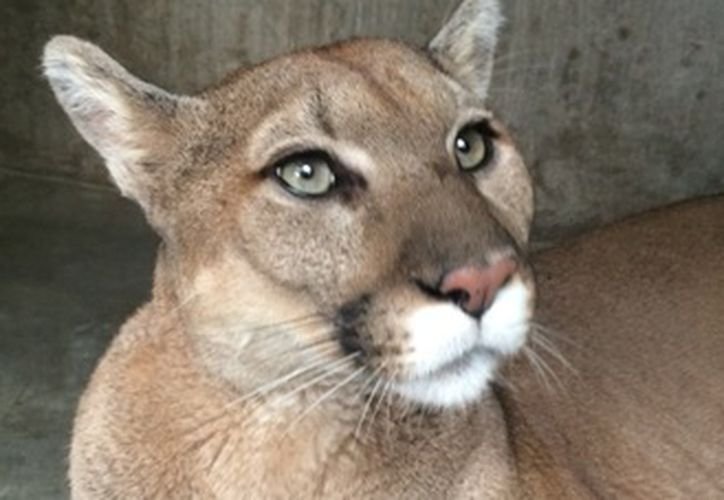
Mahahual, Quintana Roo — Rapid urban and residential growth in southern Quintana Roo is pushing the human frontier to the edge of the jungle, creating high tension between residents and the region’s natural predators. In response, the organization Proyecto Áak Mahahual AC has launched an urgent coexistence strategy to protect the five species of wild cats that inhabit the area and curb attacks on communities.
Victor Adán Rosales Hernández, leader of the civil association, explained that habitat fragmentation has forced the felines to move into rural and peripheral urban areas in search of food, a phenomenon that historically triggers retaliatory hunting by residents.
“We work on coexistence with the felines, especially the jaguar. We have five felines from the Yucatan Peninsula in Mahahual: the jaguar, ocelot, jaguarundi, margay, and puma,” Rosales Hernández said, highlighting the enormous biological value of the area.
To defuse this human-wildlife conflict without harming the animals, the organization is implementing infrastructure solutions directly in homes and on local plots. The strategy focuses on protecting domestic and farm animals, which are often the most vulnerable and attractive prey for carnivores.
“We build reinforced chicken coops to avoid conflict between humans and small felines, and reinforced houses for dogs, since the jaguar sometimes feeds on these domestic animals,” the activist said.
With these measures, the project demonstrates that families’ economic security and the lives of protected felines do not have to be mutually exclusive, drastically reducing incentives for poaching or poisoning.
The importance of this effort lies in the strategic position of Mahahual and Xcalak. This strip of land remains one of the last strongholds of great biodiversity in the southern part of the state, functioning as a natural biological corridor under pressure from real estate development.
Rosales Hernández emphasized that any infrastructure or urbanization project in the area must prioritize the presence and routes of these animals.
“We are not against development; we are against development that does not put conservation first,” he stated.
Despite the technical and operational complexity of monitoring the felines and securing rural homes, Rosales said they do not receive subsidies from large tourism corporations in the area, such as Royal Caribbean.
Fieldwork is funded by resources from the National Commission of Natural Protected Areas (Conanp), community contributions, and the association’s own physical labor. To optimize the reach of protective infrastructure, they have formed strategic alliances with the International Fund for Animal Welfare (IFAW) for building pet houses and with the ocelot working group focused on designing chicken coops.
More Environment
- Greenpeace Finds Contamination at 17 Yucatán Wells and Cenotes as Maya Communities Demand Action
- Quintana Roo Tops 152,000 Metric Tons of Sargassum as Playa del Carmen and Cancún Lead
- Profepa Shuts Down Los Rápidos Swimming Spot in Xul-Ha Over Missing Environmental Permit
- Court Gives Profepa 72 Hours to Clarify Tren Maya Closure Order
- National Geographic Names Maya Ka’an Among Top Destinations to Visit in 2027