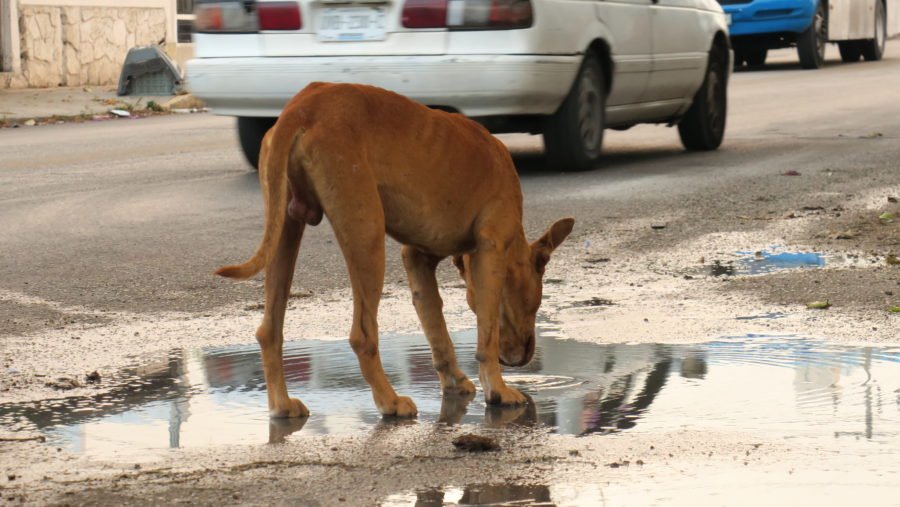
Cancún, Quintana Roo — An estimated 40,000 to 50,000 dogs and cats live on the streets of Cancún, a problem fueled by a lack of animal welfare culture and irresponsible pet ownership, officials said.
While the figure is not official, the neighborhoods with the highest concentration of stray animals include regions 100 and 200, Villas Otoch Paraíso, and the Las Palmas housing development in the municipality of Benito Juárez.
The main drivers of the growing stray population are poor adoption practices and misinformation about pet reproduction, according to local authorities.
The situation also poses public health risks. Stray dogs defecate in the streets and tear open garbage bags, clogging storm drains. In more extreme cases, they become aggressive and bite passersby.
Gabriel López Caballo, director of the Animal Protection and Welfare Department, said his office receives more than 15 calls a day, 80% of which involve animals suffering abuse from owners who keep them chained up for home protection, often leaving them severely malnourished.
According to INEGI (the national statistics agency), Mexico has approximately 23 million dogs and cats, a number greater than the country’s population of children under nine years old.
Several animal welfare groups in Cancún offer low-cost or donation-based spay and neuter services, but public interest remains low, officials said.
More Lifestyle
- Hundreds of Riders Expected for Tulum’s Fourth Federated Horseback Ride
- Quintana Roo Plans Two Wastewater Plants and Two Aqueducts for Cancún and Playa del Carmen
- Playa del Carmen Ranks Second in HIV Cases in Quintana Roo, Official Says
- Cancún Taco Festival Aims to Revive Local Economy in Low Season
- Screwworm Cases Detected in Two Dogs and a Horse in Tulum
More Cancun
- Cancún Residents Demand Governor’s Intervention Over Alleged Land Fraudster
- Cancún Advances Yaxchilán Revitalization With Pedestrian Corridor to Avenida Nader
- Mexico’s 911 Centers Explore AI to Speed Up Emergency Response
- Quintana Roo Education Official Reported Missing in Cancún, Found Hours Later
- Cancún Business Council Launches Push to Diversify Quintana Roo’s Economy Beyond Tourism