
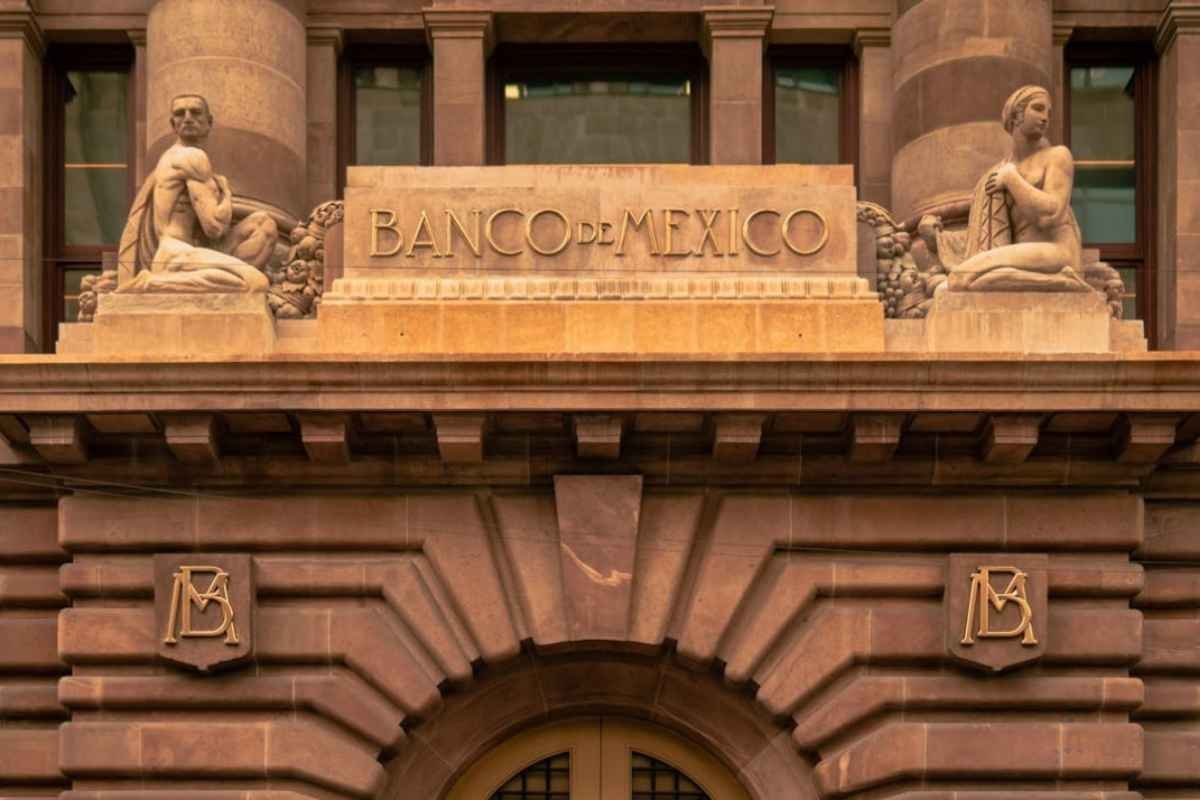
Mexico City — The Bank of Mexico (Banxico) cut its benchmark interest rate by 25 basis points to 6.25% on Thursday, catching most analysts off guard and signaling that borrowing costs will stay at that level for an extended period.
The five-member board approved the reduction in a 3-2 vote, with Governor Victoria Rodríguez and deputy governors Gabriel Cuadra and Omar Mejía in favor. Deputy governors Galia Borja and Jonathan Heath pushed to keep the rate at 6.50%.
Banxico described the move as a one-off “fine-tuning” adjustment rather than the start of a fresh easing cycle, and said it expects to hold at 6.25% through much of next year. The decision came at the penultimate monetary policy meeting of 2026.
Why the Bank Cut
The board said the reduction was justified by the continued disinflation process, an absence of demand pressures in the economy, the prevailing degree of monetary restriction and the limited pass-through of currency moves to consumer prices under current slack conditions.
“Looking ahead, the board considers that maintaining the rate at the level reached for a prolonged period will support the convergence of inflation to its target and will be appropriate for facing external macroeconomic challenges,” Banxico said. That language marked a shift from its previous guidance that further cuts remained on the table.
The central bank said it kept its forecast for headline inflation to converge to its 3.0% target in the fourth quarter of 2027, but nudged up its projections for headline and core inflation at the end of this year. It said the balance of risks for the inflation path remains tilted to the upside.
A Split Reaction From Analysts
Gabriel Casillas, chief Latin America economist at Barclays, said there were arguments both for raising and for cutting rates. “The board has acted responsibly and is now seeking to make these fine adjustments, understanding the differences between the U.S. and Mexican economic cycles,” he told El Financiero TV.
Victor Gómez, chief economist at Finamex, said the odds that the U.S. Federal Reserve will raise rates in December have fallen after the midterm elections and the drop in oil prices. “If the Fed doesn’t raise rates, Banxico will have more opportunities to resume cuts next year,” he said. The gap between Mexican and U.S. benchmark rates now sits at a minimum of 225 basis points, with the federal funds range at 3.75% to 4.0%.
BBVA Research analysts called the move ill-timed. “It would have been prudent to adopt a conservative approach and wait for a more favorable juncture to lower rates,” they wrote, adding that the meeting minutes will reveal what the board expects from the surprise cut.
Paulina Anciola and Iván Arias of Banamex said the conditions for a more accommodative stance were not in place, citing a deteriorating inflation outlook, a weaker peso and stronger economic growth.
Who Wins and Who Loses
Álvaro Vértiz, managing partner for Latin America and the Caribbean at DGA Group, said the Finance Ministry is among the beneficiaries, since every point of the rate feeds into the financial cost of the country’s debt in a year of fiscal consolidation. Companies with debt tied to the TIIE interbank rate also gain as variable-rate corporate credit becomes cheaper, and exporters get a price advantage.
Savers, banks, importers and consumers come out worse off, he said.
Luis Gonzalí, vice president and co-director of investments at Franklin Templeton México, warned that if the market punishes the cut, long-term rates could rise and increase the government’s borrowing costs. “The first reaction was mixed. We need to wait a bit,” he said.
More Business
- Ramada Residences by Wyndham Opens in Tulum With 190 Rooms
- Aeroméxico Reminds Passengers of New US Sworn Declaration Requirement Over Ebola Concerns
- Plant Growers in Lázaro Cárdenas Face Two-Month Stretches Without Sales
- Condusef Warns of Financial Identity Theft in Quintana Roo
- Cancún to Host Second Expo Turismo Health & Wellness on Dec. 3
More Quintana Roo
- Quintana Roo Tightens Tourism Oversight to Curb Fraud Ahead of Winter Season
- Profepa Orders 25 Closures Over Illegal Land Clearing in Quintana Roo
- Dengue Cases in Quintana Roo Climb to 570 With Four Deaths Confirmed
- Quintana Roo Governor Celebrates ACLUVAQ’s 40 Years as a Vacation Tourism Leader
- Quintana Roo Keeps Free Winter Vaccination Drive Running in All 11 Municipalities