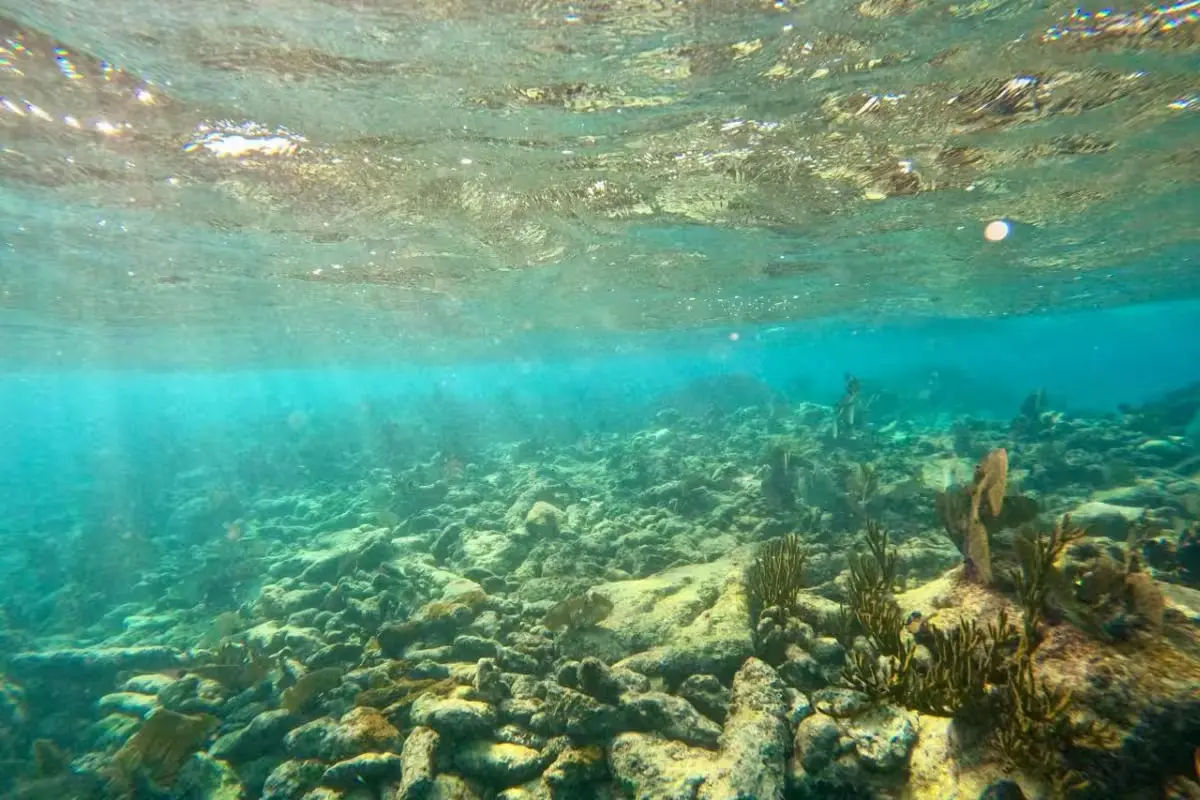
Quintana Roo, Mexico — More than 500 species of fish and hard corals are in grave danger along the Mexican Caribbean barrier reef due to boat anchoring, poaching, and irregular human settlements discharging sewage into the subsoil, as well as hotel developments built on mangroves, environmental activists said.
Activist Laura Patiño Esquivel said authorities are failing to monitor marine resources, noting that the reef area is already experiencing sedimentation-induced bleaching.
Activist Guadalupe de la Rosa said tourism developments that violate environmental laws are destroying the destination, and called for greater awareness to protect and conserve the region’s most precious assets.
Diver José Urbina Bravo said the reefs are deteriorating from sedimentation caused by wastewater from irregular settlements, and that the detachment of seagrasses has been observed. He urged preventive action before the impact worsens.
The Mesoamerican Reef System, a coral barrier stretching roughly 1,000 kilometers along the Caribbean coasts of Mexico, Belize, Guatemala, and Honduras, is at risk not only from a lack of oversight but also from inadequate city infrastructure, activists said. Irregular settlements without sanitary drainage systems are discharging black water into caves and cenotes, which eventually damages the reefs.
Activist Roger de la Mora noted that the barrier reef is home to more than 65 fish species and serves as a critical refuge for numerous protected or endangered species, including green, leatherback, and hawksbill sea turtles, queen conch, and black coral. He urged authorities to take impact prevention seriously.
De la Rosa added that large hotel developments built on mangroves have impacted marine life, and that remaining mangroves along the coast from Avenida CTM to Playa Punta Esmeralda are being eyed by investors. “What is happening is a lack of environmental values; the government has been authorizing real estate developments to raise funds, and investors destroy natural resources to recover their money quickly, leaving the bills to the population — a destination with deteriorated natural resources,” she concluded.
More Environment
- Playa del Carmen to Review Legal Status of Chen Zubul Property
- Quintana Roo Braces for Four Days of Heavy Rain and Flooding
- Sheinbaum Allocates 2 Billion Pesos to Fight Sargassum in Quintana Roo
- Five Ejidos Seek Alliance to Protect Chichankanab Lagoon in José María Morelos
- Maya Frog and Toad Shell Pendants May Reveal Ancient Trade Routes
More Quintana Roo
- SCJN Orders Quintana Roo to Legislate Disability Representation
- Cancun Tourism Slumps 7% as Industry Leaders Urge Marketing Overhaul
- Former Gubernatorial Candidate Laura Fernández Piña Loses Appeal Against 20-Year Public Office Ban
- Quintana Roo Prison System Scores Drop Sharply Over Overcrowding and Neglect
- Three Men Sentenced in Quintana Roo for Sexual Abuse of Minors, One Receives 120 Years