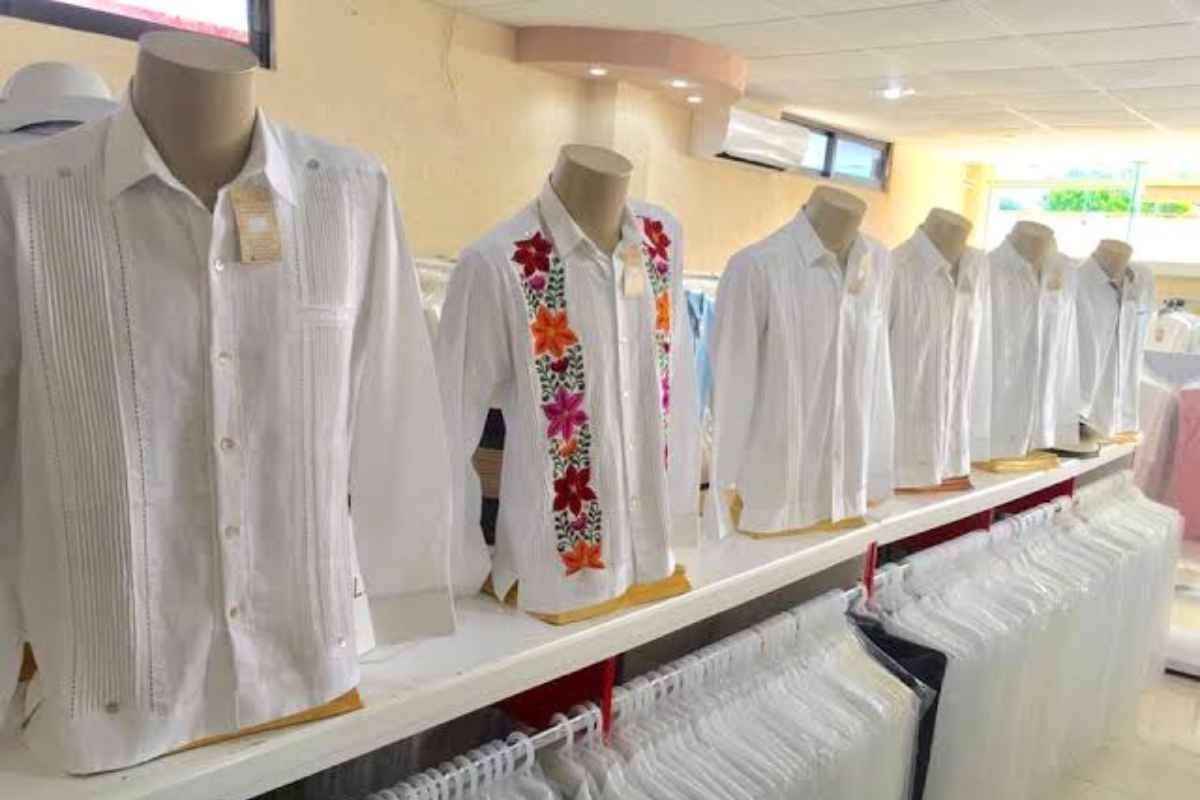
Mérida, Yucatán — Yucatán’s Congress has unanimously declared the guayabera, the region’s signature shirt, an Intangible Cultural Heritage of the state, recognizing the craft that sustains families in Tekit, a town of nearly 10,000 people about an hour from Mérida.
The measure aims to protect the knowledge and techniques passed down through generations of tailors and embroiderers in a municipality where hundreds of family workshops operate openly. It directly affects Tekit’s economy, whose main driver is making the garment.
The decree was promoted by the joint committees on Constitutional Affairs and Governance and on Art and Culture. During the session, lawmaker José Julián Bustillos Medina of Morena highlighted the economic and social impact of the declaration in strengthening family workshops and community jobs. Legislator Rafael Gerardo Montalvo Mata of the PAN backed the move and stressed the value of the work of families dedicated to making the shirt.
No definitive census of the number of families exists because of the large number of home workshops, but the National Chamber of the Garment Industry and state reports indicate the activity generates more than 14,000 direct jobs and supports more than 3,000 families in factories, assembly plants and workshops. The area around the Plaza Grande in Mérida’s Historic Center serves as the main commercial showcase for the garment, according to local vendors.
The guayabera originated in Cuba, where it was called the yayabera because peasants customarily carried guavas in their trouser pockets. There are also records of earlier influence from the Philippine barong tagalog, which reached the Americas through colonial trade on the Manila Galleon. The garment arrived in Yucatán in the late 19th century with Cuban immigrants and merchants, and local tailors adapted it with a fitted cut, narrow collar, fine pleats and Maya-inspired embroidery.
Prices vary by material: polyester costs between 350 and 650 pesos; linen flamé, between 550 and 950 pesos; 100 percent cotton, up to 1,600 pesos; a cotton-linen blend, up to 2,200 pesos; national linen, up to 3,000 pesos; and linen imported from Ireland or Italy, up to 5,200 pesos.
Vendors on Mérida’s Calle 60, such as Lorena García, expect sales to rise with the start of the high season for international tourism. Local sellers agree the Congress declaration could boost consumption of the garment among Yucatecans and domestic visitors, as well as foreigners.
More Culture
- Tulum, Chacchoben and Cobá Lead Quintana Roo Archaeological Visits in 2025
- Xcaret Founder Miguel Quintana Pali Inducted Into IAAPA Hall of Fame
- Quintana Roo, INAH Set Early 2027 Payment for Sabidos Ejido Lands
- Playa del Carmen Still Lacks City Museum and Historical Archive, Chronicler Warns
- Chetumal Hosts Free Caribbean Culture Festival With Bacilos, Los Pericos and Astrid Hadad