Mérida, Yucatán — The first International Biennial of Contemporary Art of Yucatán will bring together 76 artists from Mexico and abroad in a program that aims to place the Maya language at the heart of an international artistic conversation, with free exhibitions opening Nov. 26 and running through Feb. 28, 2027, in Mérida and Maní.
Titled Vocal, the inaugural edition is directed by Mexican artist Abraham Cruzvillegas and includes international figures such as Yoko Ono, Teresa Margolles, Rirkrit Tiravanija, Minerva Cuevas and Óscar Murillo, alongside Yucatecan and Maya-speaking creators who will share space with artists from different generations and backgrounds.
Catherine Petitgas, the biennial’s founder, said the event is not intended as a survey of what the Yucatecan art scene currently produces but as a bet on new proposals and on opening opportunities for younger creators who do not yet have long careers or gallery representation.
“It is a critical proposal, a wager on where art is heading. It is not a snapshot of what exists today in contemporary art in Yucatán — obviously there is a very vibrant, very active scene — but a bet on the future,” she said.
The first edition is dedicated to language, tongues and the different ways people communicate, from the spoken and the written word to translation, interpretation and silence. According to Cruzvillegas, the theme aims to recognize Maya as a living language with a future, not as a nostalgic object confined to the past.
“The relevance of Maya in the present — not as something from the past, not as something nostalgic, but as something of the future — is the most important thing. It is of radical importance for this biennial,” the artistic director said.
Cruzvillegas said roughly half of the 76 participants are Mexican, and more than half of that group come from Yucatán. Maya-speaking creators from the peninsula and from Guatemala will also take part, along with artists from countries including Egypt, Qatar, France, England, the United States and Colombia.
The program will feature works drawn from institutional and private collections, loans from artists and their families, and new pieces commissioned and funded by the biennial itself, as well as interventions and actions in urban spaces.
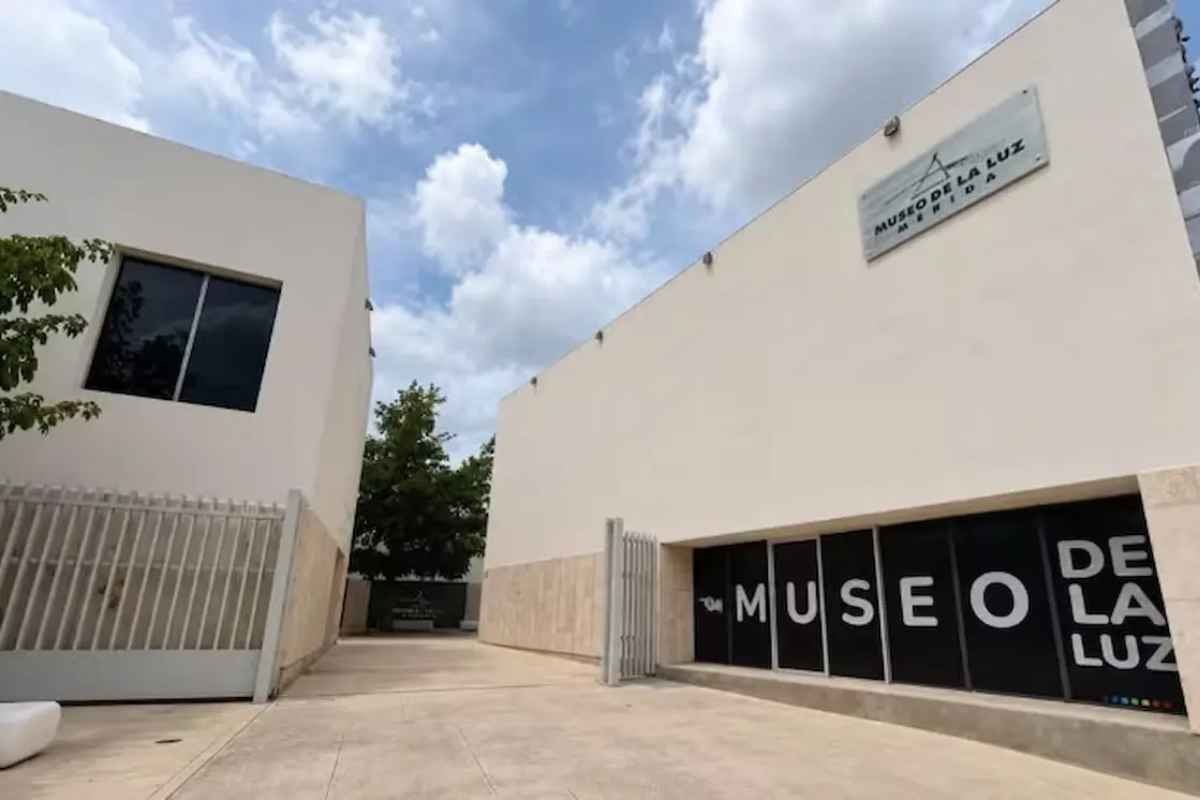
The main venue will be the Casa de la Cultura del Mayab in Mérida’s historic center. Other exhibitions will be staged at Casa de Montejo, the Centro Cultural Olimpo, the Centro de Artes Visuales, the Biblioteca Yucatanense, the Centro Cultural de la Niñez Yucateca and La Ibérica, as well as the former convent in Maní, the site of the 1562 burning of Maya codices.
Patricia Martín Briceño, Yucatán’s secretary of culture and the arts, said all activities will be free and that the participation of international artists offers a chance to widen the circulation of local artists’ work and bring contemporary proposals to audiences that rarely have access to them. She said the inclusion of Maní is part of efforts to decentralize cultural offerings beyond Mérida.
Petitgas said the project envisions three editions, with a second biennial planned for late 2028 and a third for 2030, provisionally themed around identity and gender, and ecosystems and water, respectively.
More Culture
- Encuentro Mariano 2026 Expects 2,700 Faithful in Cancún and Debuts in Playa del Carmen
- Art Exhibition Uses Coral Bleaching to Spotlight Caribbean Reef Crisis
- Quintana Roo Pushes for Five More Pueblos Mágicos, Aiming to Double Its Total
- Bacalar’s Pirate Souls Festival Launches Nightly Boat Tours
- Nine Zona Maya Communities Earn Federal Community Tourism Certification in Quintana Roo