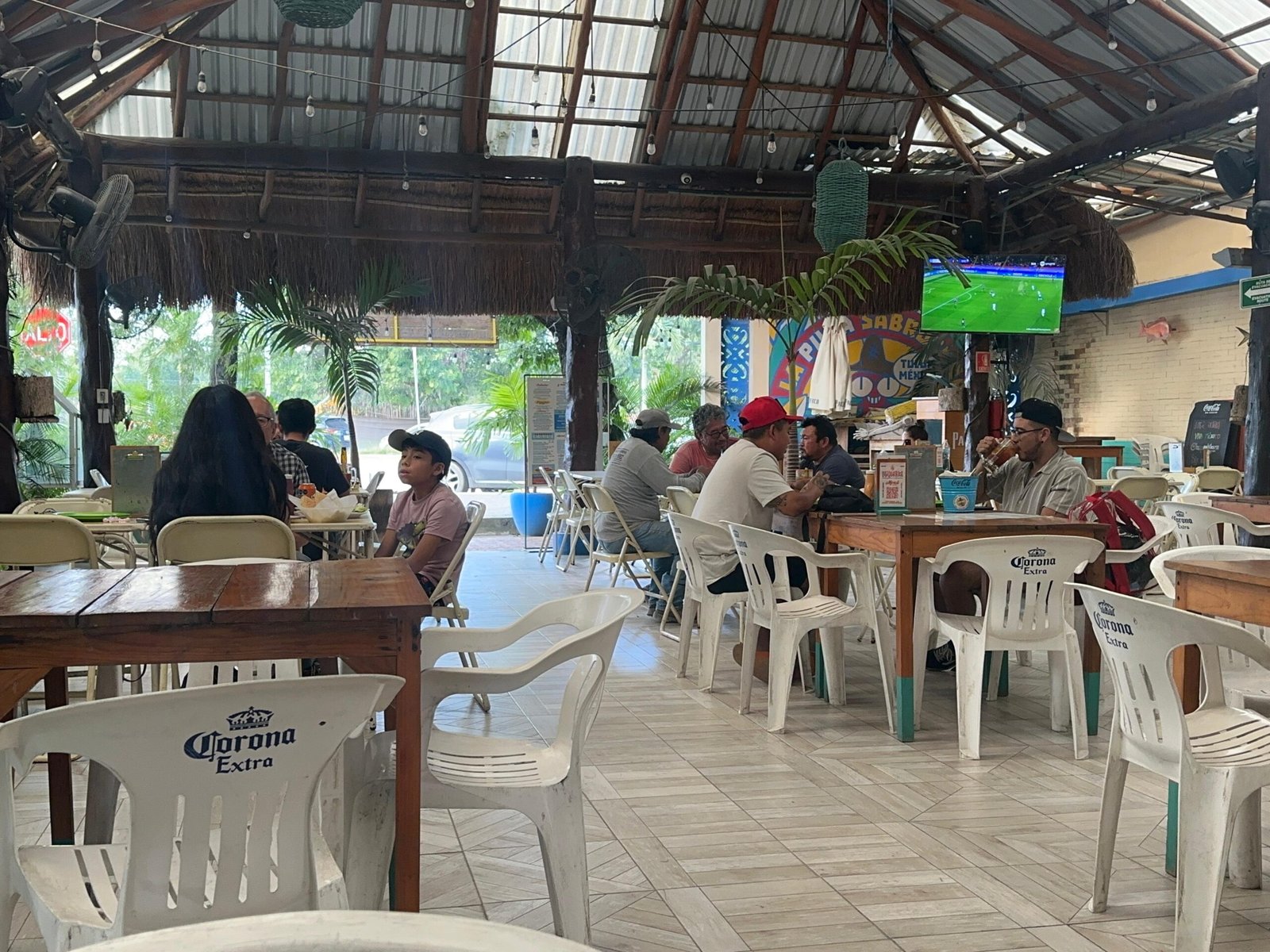
Tulum, Quintana Roo — Roughly three out of every 10 food and beverage establishments inspected by health authorities in Quintana Roo have some type of irregularity, mostly minor, according to the state’s top sanitation official.
Jaime Torres Viveros, head of the Directorate for Protection Against Health Risks, said inspections are carried out on an ongoing basis at businesses that prepare and sell food and drinks across the state’s municipalities. He noted that of every 10 establishments checked, about three show violations ranging from minor to serious.
The most common problems include poor food handling practices and cross-contamination. In most cases, the issues can be corrected by the businesses themselves and do not pose a serious risk, he said.
After an inspection, officials issue a report and give the person in charge a deadline to respond and fix the findings. A review and resolution process then determines whether the business is liable and whether a fine is warranted.
“Of every 10 establishments verified in the state, maybe three have minor or major issues, and maybe one or two are fined,” Torres Viveros said, explaining that penalties depend on the outcome of the administrative procedure.
Torres Viveros urged residents to report any establishment where they suspect poor sanitary practices. Complaints can be filed through the online system operated by the Federal Commission for Protection Against Health Risks (Cofepris), even anonymously.
He said complaints received through the federal platform are reviewed daily by state authorities, who then carry out the corresponding verification visits.
“If someone sees bad practices somewhere, report them,” Torres Viveros said, adding that authorities respond immediately to reports of potential health risks.
He highlighted that citizen complaints help detect establishments that could be operating in ways that endanger consumer health and help strengthen oversight across Quintana Roo.
More Government
- Nine Sick Dolphins Stranded in Abandoned Cancún Water Park
- Playa del Carmen Presses Federal Officials to Halt Wildlife Exploitation Permits
- Scientists Detect Early Signs of Groundwater Contamination in Quintana Roo
- Measles Cases Surge 1,940% in Mexico’s Yucatan Peninsula
- Mexico Proposes 35% Increase in Migration Fee for Visitors With Paid Work
More Quintana Roo
- Microplastics, Sunscreen Chemicals and Repellents Under Study in Quintana Roo Waters
- Quintana Roo to Present Mexican Caribbean Cenote Guide at DEMA Show 2026
- Quintana Roo Rethinks Tourism Model as Visitor Spending Falls
- Drainage Connection Gap Worsens Pollution of Cenotes and Beaches in Quintana Roo
- New Quintana Roo Press Group Leader Calls for Consensus Journalist Protection Law