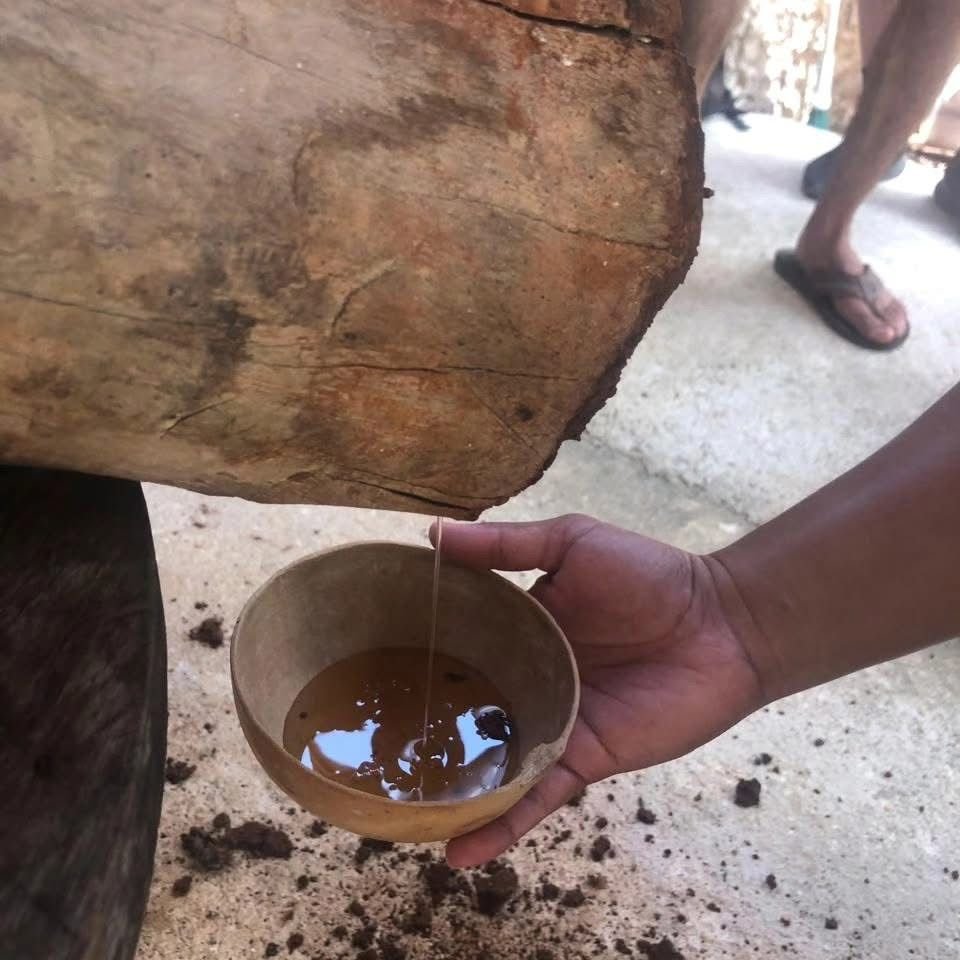
Chetumal, Quintana Roo — The state government of Quintana Roo has formally requested a protected geographical indication for honey produced by stingless Melipona bees in the Maya Zone, a move that would recognize and safeguard the unique cultural and biological product.
The State Government Secretariat, represented by Cristina Torres Gómez, submitted the application to the Mexican Institute of Industrial Property (IMPI). If approved, the designation would protect “Miel de Abeja Melipona del Corredor de la Zona Maya de Quintana Roo” as a product of specific origin.
The honey is described as a natural product made primarily by the stingless bee species Melipona beecheii, known locally as xunán kab or “lady bee.” It is produced by bees that live and are traditionally managed in Maya communities in south-central Quintana Roo, using nectar and plant secretions from the regional flora.
The proposed protected area includes the municipalities of Felipe Carrillo Puerto, José María Morelos, and Tulum, where meliponiculture—the keeping of stingless bees—is practiced.
IMPI published the application, noting that the move does not prejudge its outcome but allows interested third parties to submit objections or observations with supporting evidence.
Manuel Vázquez Cetina, a veterinarian and beekeeper from Felipe Carrillo Puerto, explained that Melipona honey is harvested only twice a year from hollowed logs called jobones. “Although production is small-scale, its quality is far superior to honey from traditional beekeeping with stinging bees,” he said.
He added that while Quintana Roo is home to 16 of Mexico’s 46 species of stingless bees, they face significant threats including deforestation, pesticide use, monocultures, genetically modified crops, nest destruction, hurricanes, droughts, and poor hive management.
Stingless bees are important pollinators, and their honey is noted for health benefits due to its unique phytochemical and physicochemical properties. Studies have indicated it possesses anti-inflammatory, antioxidant, antimicrobial, and anticancer properties, making it a candidate for future medicinal applications.
Official statistics on production volume are scarce because a single hive yields only about 1 to 1.5 liters of honey per year.
Discover more from Riviera Maya News & Events
Subscribe to get the latest posts sent to your email.