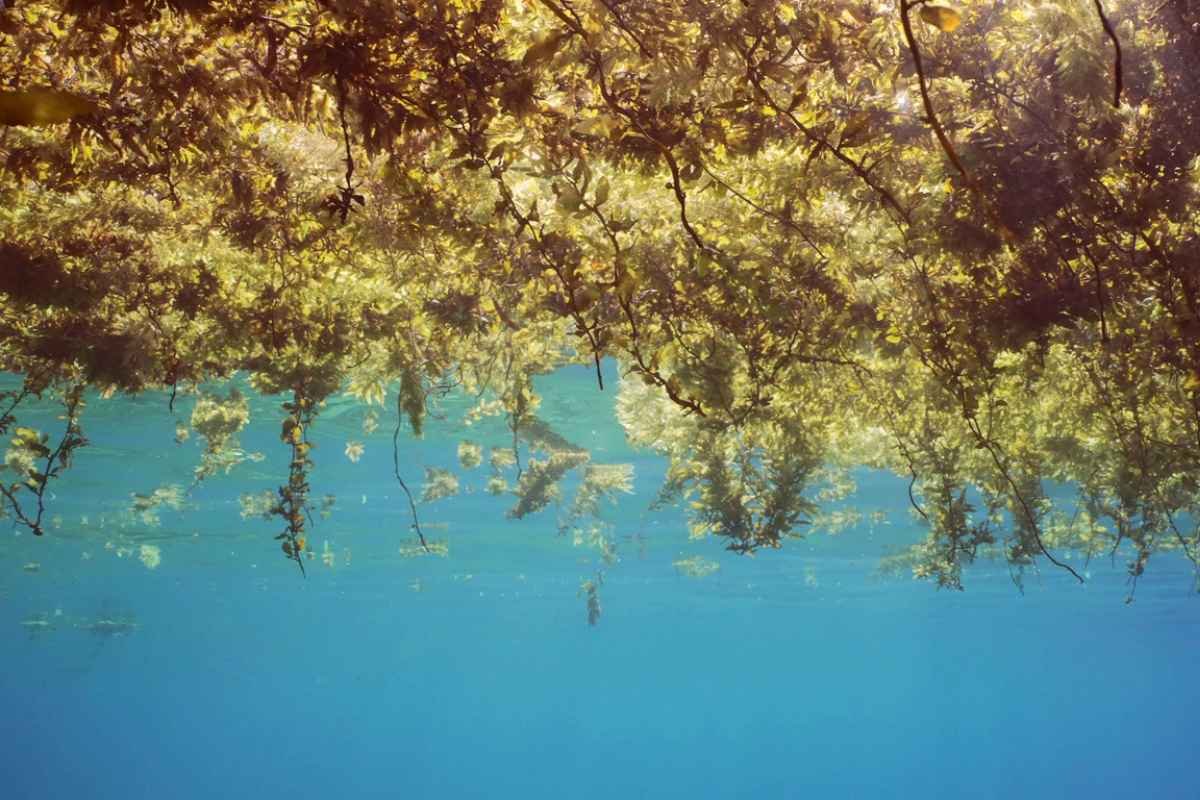
Cancún, Quintana Roo — The sargassum that washes up on Quintana Roo’s beaches could soon feed the paper and packaging industry, under a technology that aims to turn the seaweed into bio-cardboard, paper and other products.
To move toward industrial use, the National Chamber of the Graphic Arts Industry (CANAGRAF) and The Seas We Love (TSWL) signed a collaboration agreement on Friday that will allow tests with manufacturers across Mexico.
The deal sets out a path to validate SARGABOX, a technology developed with participation from the National Autonomous University of Mexico (UNAM) that uses industrially treated sargassum biomass as raw material for paper, cardboard, packaging and printed products.
Under the agreement, CANAGRAF will open its laboratory for strength and printing tests and will bring together paper, cardboard and packaging manufacturers to develop the first applications. The chamber will also head a joint technical committee.
TSWL will supply the pre-treated sargassum along with technical data sheets and batch-by-batch traceability records through its SargaTech platform, as well as scientific support from UNAM’s Center for Applied Physics and Advanced Technology (CFATA).
The first stage gives the parties 90 days to install the committee, set testing protocols, assemble a register of manufacturers and deliver the first biomass samples.
The results would lay the groundwork for the international launch of the Sargassum Stock Market, scheduled for Feb. 1, 2027, in Cancún.
The initiative offers an alternative for putting to industrial use part of the sargassum now cleared from beaches. According to the agreement, the hotel sector in the Mexican Caribbean faces an estimated cost of $150 million a year for removal work, while transforming the biomass would allow it to be used in products the tourism industry also needs, such as packaging.
SARGABOX emerged from the first BBVA National Sustainability Challenge in 2023, with technical development led by UNAM. The Seas We Love holds the rights to market it in the Americas, including the United States and Canada.
The agreement was signed by Ignacio Muñoz, TSWL’s executive director; Keren Becerra Rangel, president of CANAGRAF in the State of Mexico, and Óscar Carnevali, CANAGRAF’s national president.
More Environment
- Sargassum Covers 96.4% of Quintana Roo Beaches, Only Five Remain Clean
- Maya Ka’an Communities Strengthen Monitoring and Governance of Their Aquifers
- 60 Cenotes in Yucatan Peninsula to Be Monitored for Contamination
- Manatee Sanctuary in Chetumal: Where to See Manatees in Quintana Roo
- Quintana Roo Leads Mexico in Climate Adaptation, Says GIZ
More Cancun
- Cancún’s Christmas Bazaars Begin with Weekend Market at Plaza Chinatown
- Former Cancún Interim Mayor Carlos Canabal Ruiz Released After Judge Declines to Charge Him
- Women’s Safety in Quintana Roo Has Deteriorated, Activist Group Says
- Mexican Navy Evacuates Two Cruise Passengers With Intestinal Blockages Off Quintana Roo
- Public Relations Professionals Meet in Cancún to Strengthen Caribbean Mexico’s Tourism Industry