
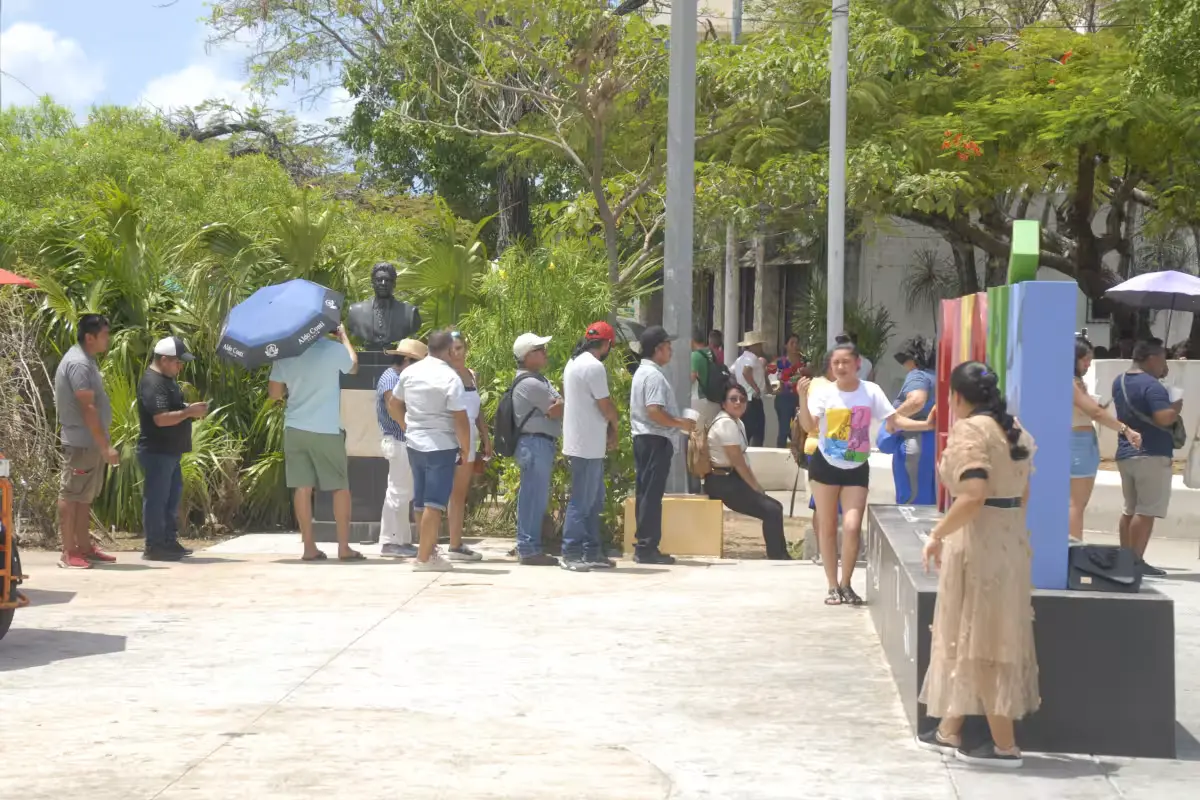
Quintana Roo, Mexico — The state has jumped from sixth to fourth place nationally for heat-related deaths, recording four fatalities between March 22 and this week, according to the federal Health Ministry’s 2026 surveillance report on extreme natural temperatures.
Across Mexico, 65 people have died from heat stroke and dehydration. The hardest-hit states are Baja California with 17 deaths, Sonora with nine, and Chiapas, Quintana Roo and Veracruz with four each.
State Deputy Health Secretary Jorge Gutiérrez Contreras urged residents to avoid sun exposure during peak hours, take rest breaks if working outdoors, and stay well hydrated.
Residents say they are turning to electrolyte drinks and extra water to cope with the heat. “Even in air-conditioned areas, there are moments when you feel the suffocating heat,” said Claudia López, a local resident.
The National Weather Service forecasts temperatures of up to 45 degrees Celsius (113 Fahrenheit) in the central part of the state.
The epidemiological report shows 40 people affected by extreme temperatures so far this season, including eight dehydration cases, 25 heat strokes, and burn injuries.
Health authorities are emphasizing prevention during the canícula, the hottest stretch of summer. Recommendations include drinking water regularly even without feeling thirsty, avoiding exercise or sun exposure between 11 a.m. and 4 p.m., and wearing light-colored, loose-fitting cotton clothing, along with sunscreen, hats or umbrellas.
At the beaches, tourists are carrying hats, umbrellas and coolers stocked with cold drinks and ice to stay cool.
The canícula, which began July 15 and runs through late August, is part of the extreme temperatures season and typically lasts about 40 days, marked by reduced rainfall and rising temperatures. In 2025, Quintana Roo reported 66 heat-related illnesses and four deaths; in 2024, it recorded 62 cases and 10 deaths.
More Environment
- Cancún Orders Removal of Grounded Boats From Nichupté Lagoon
- Profepa Shuts Down Work Damaging Coastal Dune in Yucatán
- Yacht Grounded on Mahahual Reef Caused No Coral Damage, Conservationists Say
- Playa del Carmen Awaits Federal Approval to Return 20,000 Tons of Sand Recovered from Sargassum
- Playa del Carmen Councilor Questions Semarnat’s Indigenous Consultation Requirements
More Quintana Roo
- Cancún Mayor Ana Paty Peralta Says She Will Finish Her Term and Skip ‘Gino’ Segura’s Campaign
- Tren Maya Finds Reshape Understanding of the Maya ‘Collapse’
- Quintana Roo Enacts ‘Ley Nicole’ Banning Cosmetic Surgery on Minors
- Drought Crisis Forces Quintana Roo Wildlife to Seek Water Near Roads and Towns
- Quintana Roo to Add 10,000 Hotel Rooms by 2028