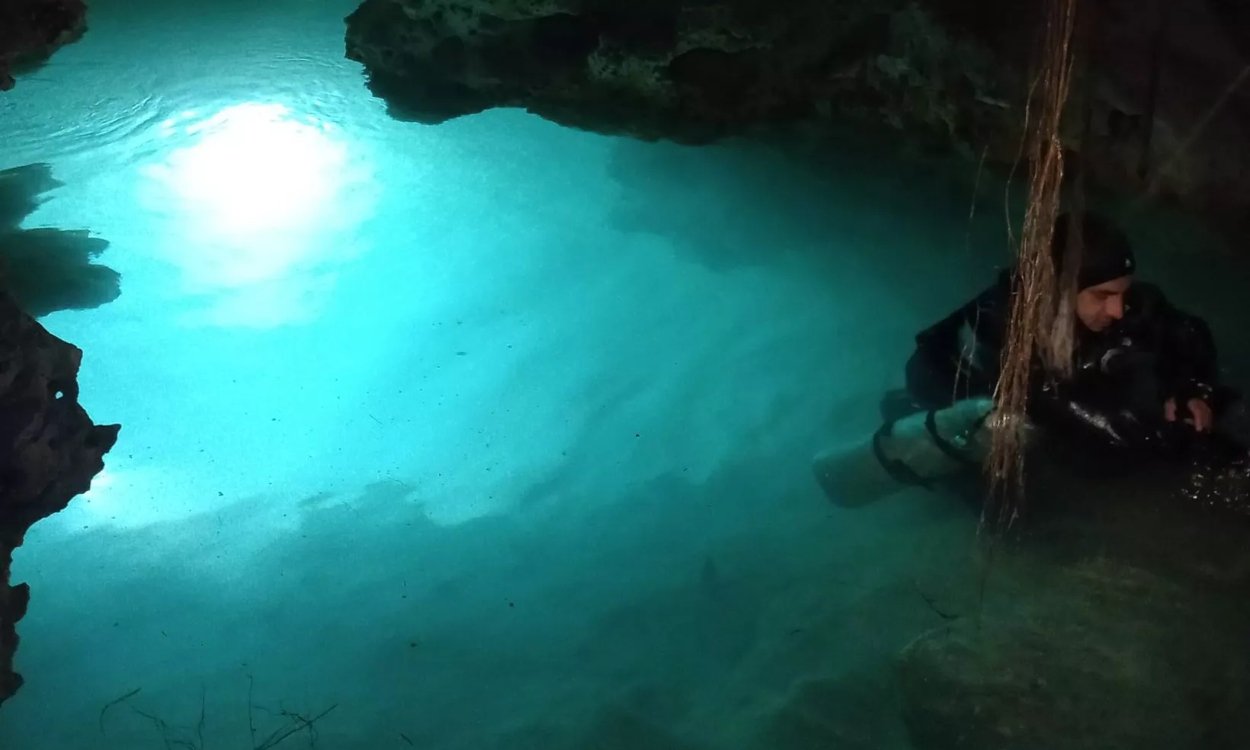
Cancún, Quintana Roo — The underground aquifer that supplies much of the Yucatan Peninsula, including Quintana Roo, is experiencing accelerating saltwater intrusion, posing a growing risk to the region’s freshwater supply. This phenomenon, combined with other environmental and human factors, has scientists, environmentalists, and authorities concerned about its impact on water availability and quality.
What’s Happening to the Quintana Roo Aquifer?
According to hydrogeology specialists, the Yucatan Peninsula aquifer, which spans Quintana Roo, Yucatan, and Campeche, has shown signs of saltwater intrusion in several areas. This means seawater is penetrating the freshwater aquifer, displacing potable water to deeper zones or contaminating it.
This process primarily occurs when natural water flow equilibrium is disrupted, either through excessive groundwater extraction or hydrological changes that allow saltwater to advance inland into the aquifer.
Additionally, the region’s proximity to the sea and lack of significant soil thickness protecting the natural aquifer makes it particularly vulnerable to salinization and seawater invasion.
Human and Environmental Factors Worsening the Situation
Urban and tourism growth in destinations like Cancún, Playa del Carmen, Tulum, and Isla Mujeres has significantly increased freshwater demand over the past decade. This has intensified groundwater extraction, which can reduce freshwater pressure and facilitate saltwater entry into aquifers.
Furthermore, contamination from untreated wastewater discharges and inadequate drainage infrastructure in some areas contributes to aquifer degradation. Experts have documented high levels of coliform bacteria and other substances in water bodies connected to the underground system, reflecting dual pressure on the resource: salinization and microbiological contamination.
Consequences for Population and Environment
Aquifer salinization has direct consequences for local populations and ecosystems. First, it reduces potable water availability, directly impacting households and productive sectors that depend on this resource. Second, it can deteriorate water quality for agricultural irrigation or economic activities requiring freshwater. Finally, it also affects the health of cenotes, caves, and underground water bodies that form part of the region’s natural environment.
Toward Sustainable Water Management
Facing this situation, specialists and environmental organizations have emphasized the need to implement comprehensive water management strategies including:
- Reducing excessive water consumption through awareness campaigns
- Improving wastewater treatment infrastructure
- Continuous monitoring of aquifer quality and salinity variations
- Plans to balance extraction and natural aquifer recharge
The Quintana Roo aquifer’s salinization serves as a warning for decision-makers, citizens, and productive sectors, as it represents a finite resource requiring protection, sustainable management, and public policies focused on ensuring quality water for present and future generations.
Discover more from Riviera Maya News & Events
Subscribe to get the latest posts sent to your email.