Playa del Carmen, Quintana Roo — Education authorities are spending money to build a primary school in an area where residents say there is little demand, while Puerto Aventuras continues to wait for a high school that the community has been requesting for more than a decade.
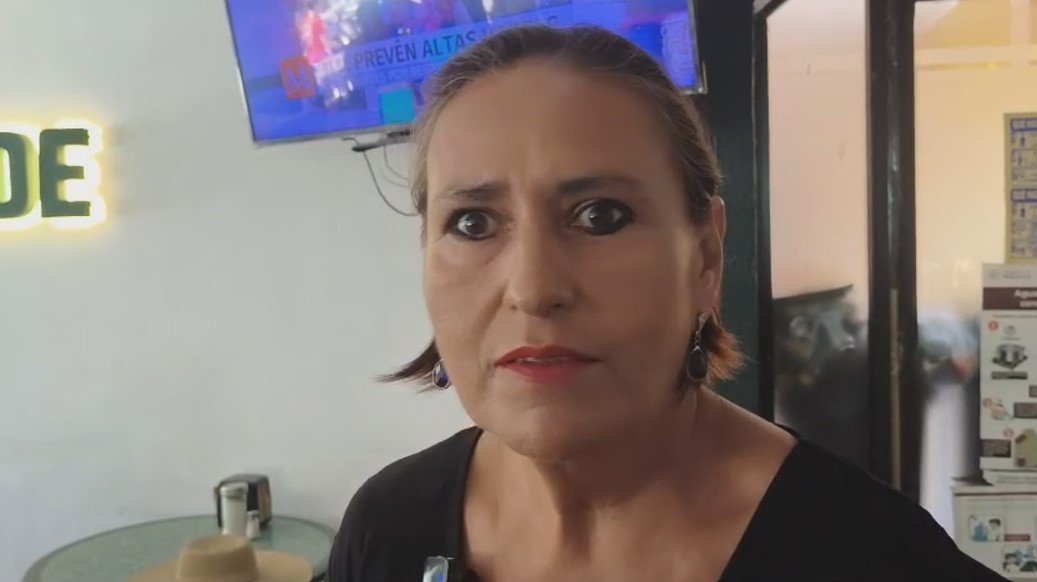
Lilian Espinoza, a Puerto Aventuras resident and former mayoral candidate, questioned why officials have not prioritized the construction of a high school, even though dozens of young people must travel to Playa del Carmen every day to continue their studies.
She said the situation is a heavy financial burden for families and exposes students to the dangers of commuting along Federal Highway 307.
“I lived it myself, and I know what it means to take the kids there every day,” Espinoza said, referring to the costs and risks involved in traveling outside Puerto Aventuras.
According to Espinoza, a family can spend between 40 and 60 pesos a day on a motorcycle taxi to take a student to the federal highway, where they then catch a van headed to Playa del Carmen. The round-trip van fare adds roughly 70 pesos, bringing the weekly cost to about 500 pesos — not counting money for food while students are away from home.
In some cases, she added, transportation costs can end up exceeding what a private school tuition would be.
Beyond the economic impact, Espinoza warned of the risks students face traveling daily on one of Quintana Roo’s busiest roads, where heavy traffic and frequent accidents are a constant concern for families.
High School Not Expected Until 2027
The head of the State Institute for Educational Physical Infrastructure of Quintana Roo (IFEQROO), Moisés Pérez Canto, has announced an investment of 56 million pesos to build two new high schools, one of them in Puerto Aventuras. However, the new campus will not be ready until next year, meaning families will have to keep making the commute for the current school cycle.
Espinoza criticized local representatives and the municipal director of Schools and Libraries, Félix Teh Cen, who also lives in the community, for not pushing harder to speed up the project.
She said it is urgent for Puerto Aventuras to have its own educational infrastructure so young people can continue their studies without having to leave the community every day.
For more than 10 years, she recalled, residents have attended working groups and heard promises from different administrations, but no definitive solution has been delivered.
New Primary School Location Questioned
Espinoza also questioned the construction of a primary school in the Nueva Generación neighborhood, saying educational planning is not keeping up with Puerto Aventuras’ actual growth needs.
In her view, beyond prioritizing the high school, the new primary school should be built in areas where residential development is currently happening, rather than concentrating infrastructure in places where there still is not enough demand.
She said authorities need to carry out long-term planning that takes into account the community’s population growth and the educational needs at every level.
“What we need is for the young people of Puerto Aventuras to be truly served and to have the best conditions to continue their studies without families having to pay every day to take them to Playa del Carmen,” she said.
For residents, the construction of the high school is a need that can no longer be postponed, especially as Puerto Aventuras grows and more teenagers require access to upper secondary education.
More Community
- Taco Social Run to Bring Recreation, Live Music and Street Tacos to Cancún’s Avenida Yaxchilán
- Playa del Carmen Takes Artisans to Guanajuato Day of the Dead Festival
- Nacional Monte de Piedad to Reopen Chetumal Branches on October 7
- Quintana Roo Remains Far from Electronic Voting, INE Official Says
- Cancún Sets October Dates for Free Dog and Cat Sterilization Clinics
More Puerto Aventuras
- Playa del Carmen to Renew Eight Blue Flag Beach Certifications, Eyes Two More
- Playa del Carmen Reports Over 11,000 Permits and 46 Closures for Environmental Violations
- Burned-Out Taxi Found on Dirt Road in Playa del Carmen, Deepening Drivers’ Unease
- Molotov Cocktails Firebomb Taxi Union Offices in Puerto Aventuras
- Playa del Carmen Official Says State Prosecutors Must Handle Armed Men at Puerto Aventuras Ranch