Playa del Carmen, Quintana Roo — A high-profile police operation on Quinta Avenida has brought renewed attention to the oversight of wildlife commerce in one of Mexico’s busiest tourist corridors.
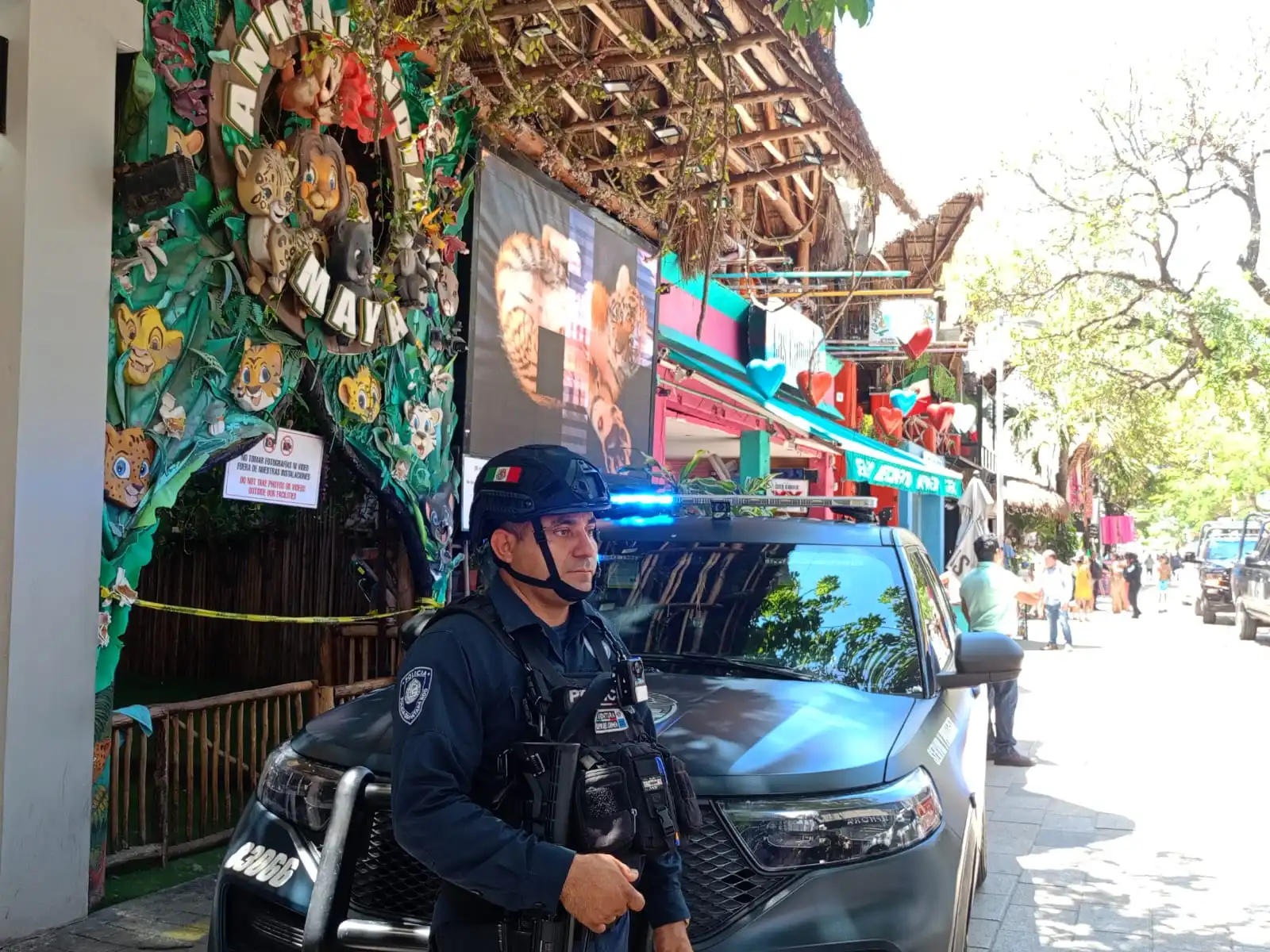
On Friday morning, officers from the Municipal Police and the State Prosecutor’s Office (FGE) executed a search warrant at Animalandia Maya, an exotic animal shop located between 12th and 14th streets. The raid began around 10:30 a.m., drawing a crowd of onlookers and surprising tourists in the area.
Five people were detained during the operation, including the store’s owner, Félix Sandoval, a former municipal councilman. Authorities said the arrests are tied to an ongoing investigation into animal cruelty and environmental crimes. Sandoval is expected to appear before a judge to determine his legal status.

Environmental officials were also present to secure the animals and evaluate their condition. While authorities have not yet confirmed the number or species involved, cases like this in Mexico often include reptiles, birds, and small mammals that fall under protected or regulated categories. Many of these species are governed by federal environmental laws designed to prevent illegal trafficking and mistreatment.
Wildlife commerce in Mexico is regulated primarily by the Secretaría de Medio Ambiente y Recursos Naturales (Semarnat) and enforced through agencies such as Procuraduría Federal de Protección al Ambiente (PROFEPA). Legal sale of certain species is permitted under strict conditions, including proof of origin, permits, and compliance with animal welfare standards. Violations can carry significant penalties, including fines and prison sentences.
Quintana Roo, with its strong tourism economy and proximity to biodiverse ecosystems, has long been a focal point for both legal and illegal wildlife trade. Conservation groups have repeatedly warned that demand from tourists—particularly for photo opportunities or exotic pets—can fuel informal or unregulated markets.
Mayor Estefanía Mercado described the operation as a coordinated effort between municipal and state authorities, including the Secretariat of Sustainable Environment and Climate Change. In a video message shared on social media, she called it an “unprecedented step” aimed at restoring order and responding to complaints about activities operating outside the legal framework.
Animalandia Maya is not new to controversy. In August 2022, the premises were seized after authorities discovered narcotics on site. The case resurfaced in March 2023 when prosecutors reported finding a suitcase containing more than 2,000 doses of drugs, leading to additional interventions. Despite these incidents, the business reopened multiple times, raising questions about enforcement continuity and regulatory follow-through.
The latest raid appears to mark a shift toward stricter scrutiny, particularly as public awareness around animal welfare continues to grow. In recent years, Mexico has strengthened legal protections for wildlife, including updates to the Federal Penal Code that classify certain acts of cruelty and illegal trafficking as serious offenses.
For Playa del Carmen, the case also touches on a broader issue: the balance between tourism-driven commerce and the protection of natural resources. As visitor numbers continue to rise, authorities face increasing pressure to ensure that businesses operating in high-traffic areas comply with environmental and ethical standards.
The investigation remains ongoing. Officials have indicated that additional charges or findings could emerge as the case moves forward and as veterinary and environmental assessments of the rescued animals are completed.
More Business
- 40-Hour Workweek in 2027 Will Speed Up Robots and AI in Hotels, IMEF Says
- Mexico’s Supreme Court Blocks Telmex Bid for Automatic Pay TV Access
- Mexico and EU Bring Modernized Global Agreement to Congress as Senate Ratification Looms
- Lawmakers Propose One Tree Every 15 Meters in New Quintana Roo Developments
- Moody’s Warns Mexico Faces Negative Fiscal Trend on Rising Debt and Weak Growth
More Playa del Carmen
- Man Gunned Down in Playa del Carmen; No Arrests Made
- Playa del Carmen Set to Host Pro Padel League International Stop
- Quintana Roo Weighs Permanent Revocation of Permits for Legacy by Awa Playacar After Closure Seals Broken
- Playa del Carmen Beach Restoration Clears Environmental Hurdle, Mayor Says
- Bidding Process to Define Renovation of More Than 10 Parks in Playa del Carmen