Playa del Carmen, Quintana Roo — Authorities in this popular tourist destination are drafting comprehensive mobility regulations to govern the use of electric scooters, bicycles, motorcycles, and other personal transport vehicles, with plans to establish speed limits, registration requirements, and penalties for violations.
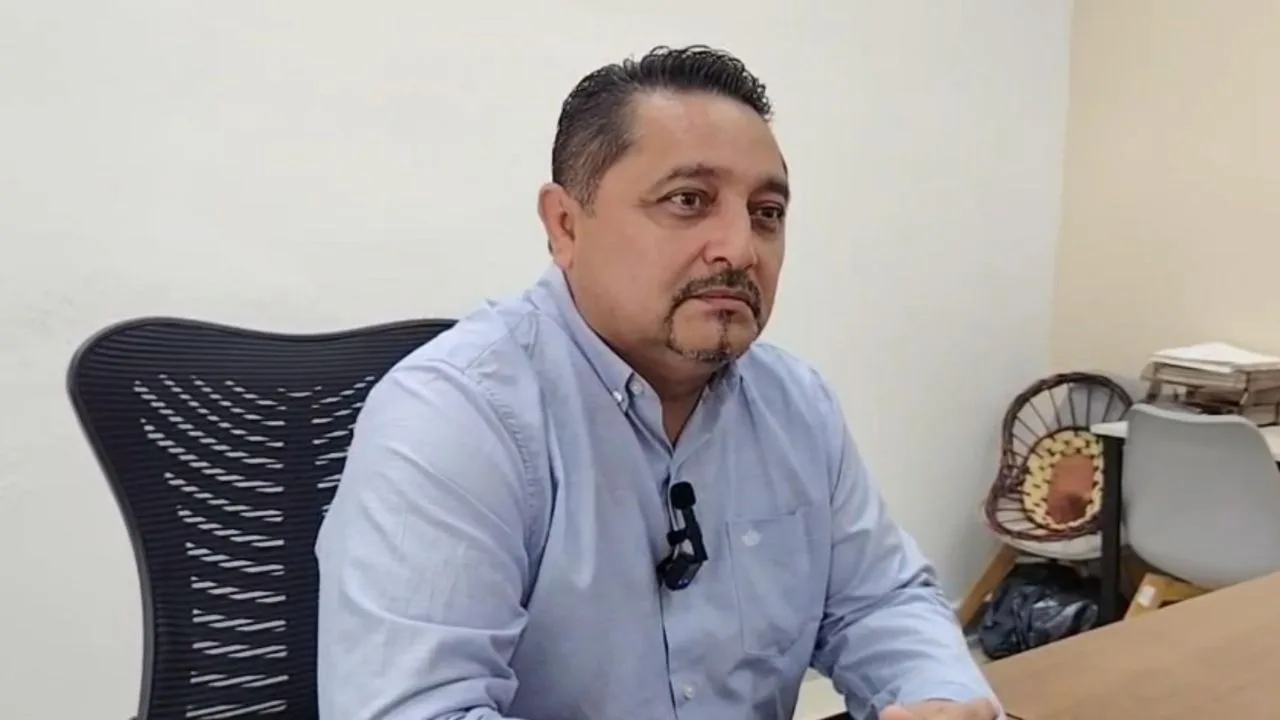
Javier Renán Santos Morales, president of the Mobility, Labor, and Projection Commission, said the project builds on a previous proposal presented to the City Council but underwent technical review after inconsistencies with state mobility legislation were identified.
The document initially went to Municipal Transit for technical feedback because several provisions conflicted with applicable state law, requiring adjustments before local legislative proceedings could continue.
Following this, authorities organized working groups with specialists in scooters, bicycles, motorcycles, disability advocates, and representatives from various sectors related to public space use. The goal is to create comprehensive regulations that address all forms of urban mobility, not just micromobility.
One key consensus reached is that the new regulatory framework must consider everyone from pedestrians to public transport users, with specific chapters for each mode of urban movement.
Among the proposed measures is setting a maximum speed of 25 kilometers per hour for scooters and other micromobility vehicles on municipal roads, regardless of some models’ capability to reach higher speeds.
Authorities are also considering creating a mandatory municipal registry for these units and requiring permits or licenses for users, arguing that personal transport vehicles must follow traffic rules.
Santos Morales noted that insurance companies participated in the working groups to review the feasibility of coverage for these vehicles, though he acknowledged current difficulties even in insuring motorcycles, leaving this issue under evaluation.
The regulations will include penalties, as officials consider warnings insufficient when detecting risky behavior. Proposals include requiring users to complete a course and pass a basic exam on mobility rules before obtaining usage authorization.
On shared bike lanes, bicycles and pedestrians will maintain priority, with scooters required to respect this circulation hierarchy.
The council member warned that the municipality must also accompany the new regulations with infrastructure and signage, particularly in areas where these vehicles currently operate without adequate safety conditions.
He noted that risky behaviors persist, including riding on sidewalks, going the wrong way, or using high-speed roads like the federal highway or Colosio Boulevard, where cars easily exceed 80 kilometers per hour.
The new document also addresses the final disposal of lithium batteries used by these vehicles, as they represent special management waste with potential environmental impact.
The project remains in technical and legal integration phase. According to commission estimates, once the technical review concludes, legal adjustments could be ready within one to one and a half months for presentation to the City Council.
Discover more from Riviera Maya News & Events
Subscribe to get the latest posts sent to your email.