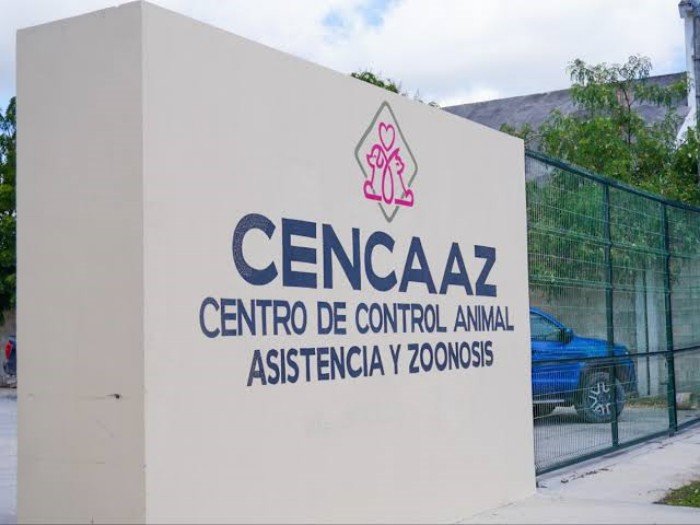
Playa del Carmen, Quintana Roo — The city’s animal control and zoonosis center, known as CENCAAZ, is struggling with persistently low adoption rates, according to Kandy Joana Mendoza Ramírez, secretary of Sustainable Environment and Climate Change for Playa del Carmen.
In an interview, Mendoza said the center currently averages just one adoption per week, occasionally reaching three. She acknowledged that much work remains to improve the adoption culture among local residents.
“Unfortunately, many people don’t have this culture of adoption. They usually look for the puppy, the smallest one, or a purebred, but there are also citizens who are joining us for our dogs at CENCAAZ,” she said.
Mendoza noted that while public reports of animal abuse have increased due to greater awareness, more pets are being sent to CENCAAZ after being abandoned. She highlighted the crucial support from independent rescue organizations and volunteers who help promote the animals and find them homes.
The city government continues to organize adoption fairs and activities, along with social media campaigns to encourage more adoptions, she added.
Mendoza also invited the public to volunteer at CENCAAZ, calling it one of the few animal care centers that allows volunteers to walk, interact with, and spend time with the animals.
More Lifestyle
- Anyma Brings ÆDEN to Zamna Tulum for 10th Anniversary Show on January 4
- Cancún Businesswomen Organize Charity Walk for Breast Cancer Survivors
- Santa Fe Klan Plays Nearly Four Hours at Expofer 2026 in Chetumal
- Mexican Navy Evacuates Crewman From Oil Tanker Off Isla Mujeres
- Expofer Opens in Chetumal: 150 Police, No Incidents on Night One
More Playa del Carmen
- Car With Two Children Overturns at Paamul Curve on Highway 307
- Playa del Carmen Opens Nominations for Elvia Carrillo Puerto Award Honoring Outstanding Women
- CFE and Playa del Carmen to Review Plan for Submarine Power Line to Cozumel
- American Says Stolen Truck Was Resold in Playa del Carmen With Forged Paperwork
- State Adult Education Institute to Open Branch in Villas del Sol