
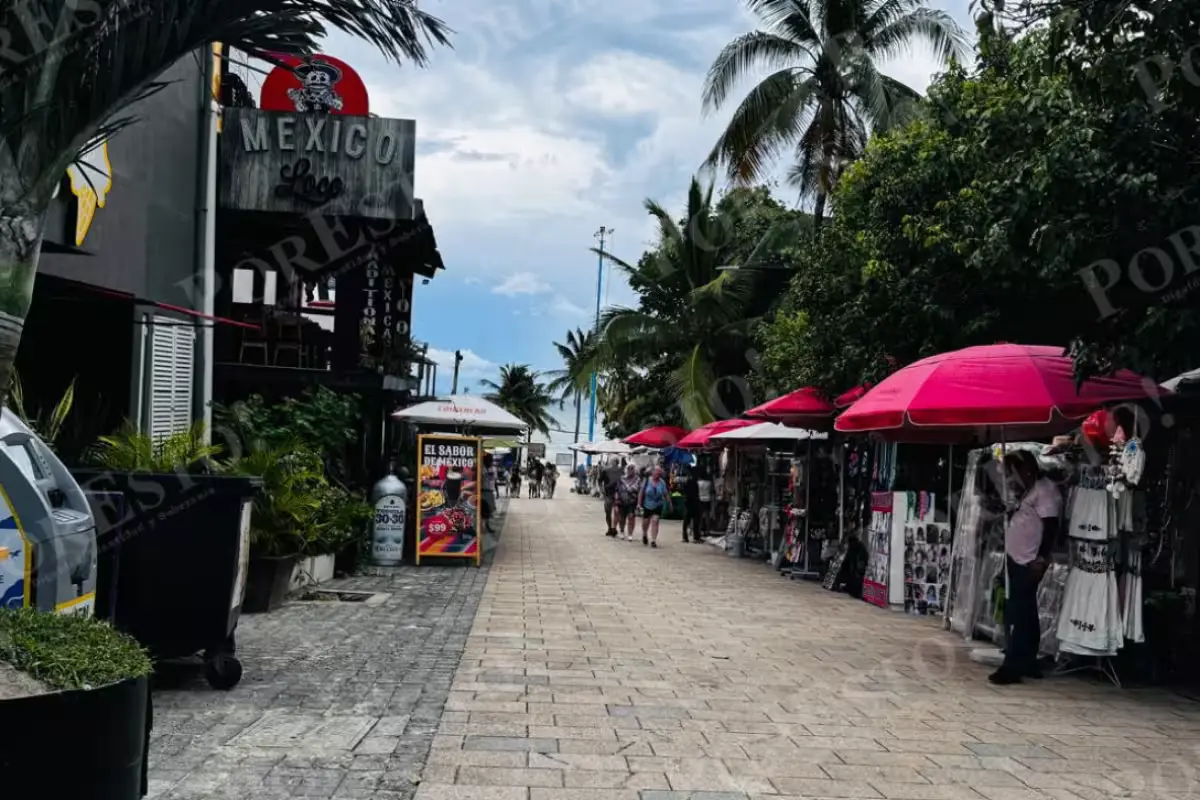
Playa del Carmen, Quintana Roo — More than 2,000 restaurant workers lost their jobs on Quinta Avenida in 2026, according to employees on the resort town’s main commercial strip, where roughly 365 restaurants operate.
Workers say the surviving businesses have trimmed their payrolls to two or three employees each, depending on the size of the establishment. Many of those who were let go have returned to their home states after failing to cover rent and food in one of Mexico’s most expensive tourist destinations.
Layoffs Hit New Hires and Temporary Staff First
Santos Aguirre, a waiter, said most establishments dismissed recent hires or workers on temporary contracts. “That people went back to their home states because they could not pay for rent and food,” he said.
Sources inside the Playa del Carmen branch of CANIRAC, the National Chamber of the Restaurant and Seasoned Food Industry, said the group has not yet carried out field studies to determine the real state of the local restaurant sector because of the economic instability. The chamber acknowledges that about 365 restaurants operate on Quinta Avenida, with staff numbers ranging from six or eight employees to as many as 20 depending on the size of the business, and that layoffs were reported as tourist traffic fell.
Hotels Let Go of Longtime Staff, Workers Say
Javier García, a hotel employee in the Riviera Maya, said large hotels laid off their most senior staff and kept workers on contract. He said the practice continues because hoteliers want to avoid paying large severance packages, and that they are now hiring new employees on low wages under contract.
Merchants and workers say the drop in tourism activity has hurt restaurants and other businesses alike. Rosario Alvarado, who manages a restaurant, said it is impossible to know how many establishments on Quinta Avenida are still operating, because many have shut their doors — not only because of sargassum arrivals and the fall in tourism, but also because of criminal extortion fees.
“Not everyone can pay 20,000 to 50,000 pesos a month, it’s illogical,” Alvarado said. Extorted businesses do not file complaints for fear of reprisals and prefer to stay silent and close, she added, but it is the employees who end up paying the price. Layoffs have been recorded across the strip, she said, at souvenir shops, grocery stores, handicraft stalls and bars.
‘This Year Was Critical’
Francisco Cupul, an artisan who has lived in Playa del Carmen for 20 years, said businesses now operate with just one or two staff members. In some restaurants, he said, the waiter also works as the busboy and the cashier.
“September and October are always the lean months, but 2026 was critical almost the entire year,” Cupul said, recalling the destination’s economic boom years.
Many of his friends returned to their hometowns after losing their jobs, he said, because life in an expensive tourist destination is impossible while paying rent. He said he remains hopeful that the winter holidays will bring an economic recovery, and that it will depend on the tourism promotion campaigns authorities carry out.
More Economy
- IMSS Workers in Cancún March to Demand Higher Pay, Supplies and Staffing
- Sargassum in Quintana Roo Sets Record With 138,000 Tons Collected in 2026
- Quintana Roo Warns Against Unchecked Hotel Growth as It Courts Brazil and Colombia
- Tren Maya Lost 5 Billion Pesos in Six Months as Operating Costs Soar
- Cancun’s Night Bike Ride Returns to Avenida Bonampak on October 3
More Playa del Carmen
- Canadian Fugitive Wanted for Homicide Arrested in Playa del Carmen
- Playa del Carmen Unveils Recycled-Plastic Lifeguard Tower at Playa 72
- US Lawmakers Press Mexico to Resolve Vulcan Materials’ Calica Dispute
- Playa del Carmen Launches Survey Work to Legalize San Judas Tadeo Neighborhood
- Uxuxubi Seeks Spot in Mundo Sagrado Community Tourism Corridor