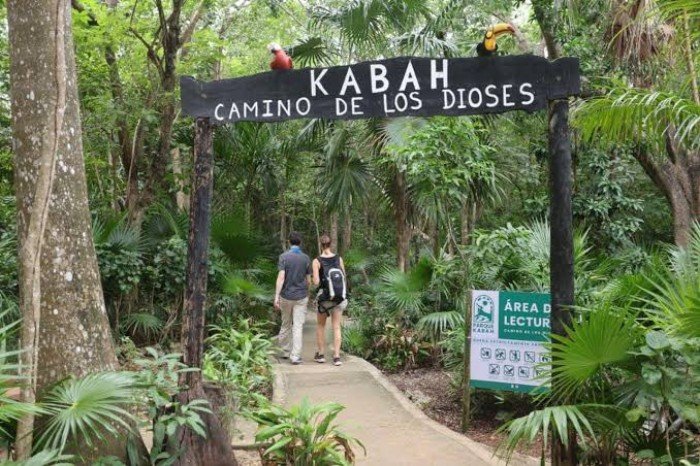
Cancun, Quintana Roo — More than 200 species of plants and animals inhabit Kabah Park and Ombligo Verde, two protected natural areas within Cancun’s urban zone, according to local officials.
Pablo Manuel Rubio Taboada, director of Protected Natural Areas in Benito Juarez, said in an interview on World Environment Day that the two sites are home to approximately 70 bird species and around 200 plant species.
Kabah Park also hosts protected animals such as spider monkeys, striped iguanas, coatis, squirrels, snakes, agoutis, and boas, Rubio Taboada noted.
The park receives migratory birds year-round, he added. Recently, a new sprout of the Guayacan tree — a species protected under Mexican official standards — appeared in both Kabah Park and Ombligo Verde.
“The fact that this tree continues to regenerate, especially in Kabah Park, shows that this natural space is in good health,” Rubio Taboada said. “Birds come because they have shelter and food; fauna exists because there is food. This tells us the park’s health is good.”
To mark World Environment Day, the municipal government is hosting an Environmental Fair at Kabah Park on Friday. About 200 students are expected to attend educational tours and workshops.
Participating institutions include the National Autonomous University of Mexico (UNAM) and the Federal Environmental Protection Agency (Profepa).
Rubio Taboada added that a beach cleanup will take place Saturday at various points along Cancun’s coastline.
More Environment
- Cozumel Coral Restoration Program Cares for 1,500 Fragments at Chankanaab
- Puerto Morelos launches weekly sargassum watch until 2026
- Quintana Roo Seeks Geographic Indication to Protect Melipona Honey
- Dengue Cases in Quintana Roo Jump 152 Percent
- Quintana Roo Hoteliers Push Regenerative Tourism Amid Beach Access Disputes