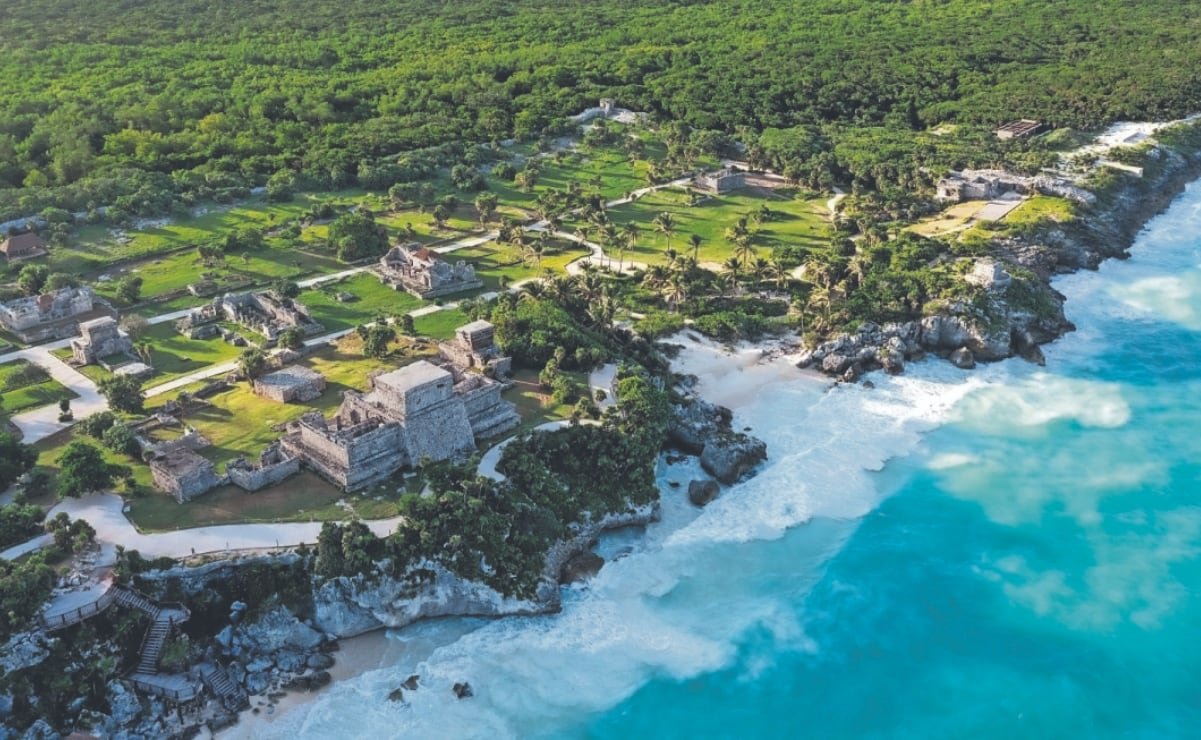
Tulum, Quintana Roo — A presidential decree has transferred control of ticket sales at the Jaguar Park in the Tulum archaeological zone to a state-owned company run by the military, drawing criticism from cultural workers and experts who see it as an encroachment on the National Institute of Anthropology and History (INAH)’s role.
The decree, published July 17 in the Official Gazette of the Federation, appoints the Olmeca-Maya-Mexica Airport, Railway and Auxiliary Services Company (GAFSACOMM) to manage ticket sales at the park, which lies within the archaeological zone. The National Union of Culture Workers condemned the move, arguing that archaeological sites should not be treated like theme parks or tourist attractions subordinated to economic interests.
“Archaeological zones are not theme parks or tourist attractions” subordinated to economic interests, the union said in a statement, rejecting management by a state-owned company.
Bolfy Cottom, a cultural policy expert, said while he does not see a direct attempt to privatize the site, the government is strengthening a military-linked state company to boost tourism and revenue for the Maya Train project. “They are reinforcing a state company with a military profile, affiliated with SEDENA (the Defense Department), which already runs the AIFA airport and the Maya Train,” Cottom said. “The goal is for the company to attract more tourism through tax incentives and credits, which means more federal resources poured into the southeast and the Maya Train.”
The decree sets entry fees at 80 pesos (about $4.50) for nationals and 165 pesos ($9.30) for foreigners.
An internal memo from Margarito Molina, director of the INAH Quintana Roo center, informed the site director that as of July 27, GAFSACOMM will manage ticketing, printing tickets and overseeing the ticket booths. INAH staff will continue working at the site, the memo said.
Cottom raised concerns about the company’s authority to provide “cultural services,” asking whether it might replace INAH outright. “Does that mean this military-linked company will replace INAH? Will INAH employees become employees of this state-owned company? The agreement is confusing,” he said.
He warned of a pattern of increasing military control over cultural heritage. “We already have precedents and complaints about the military conducting archaeological excavations. This is another case, and it’s serious that the army gains more control over what INAH should be managing,” Cottom concluded.
More Government
- Cancún’s Benito Juárez Recycling Drive Recovers 6.8 Tons of Waste
- US Releases 1 Billion Sterile Flies to Stop Screwworm’s Return
- Monreal Proposes Ban on Hidden Fees in Online Purchases
- No Long Weekend for Quintana Roo Students: Classes Held Sept. 14-15, Suspended Only Sept. 16
- Quintana Roo Bill Would Jail Pet Owners Who Abandon or Neglect Animals
More Tulum
- Sargassum and Low Season Drive Tulum Beach Weddings to Decade Low
- Least Tern Nests Under Watch in Sian Ka’an Reserve as Threats Mount
- Quintana Roo Signs Co-Management Deal to Protect Xcacel-Xcacelito Turtle Sanctuary
- Chetumal Police Purge Tourist Unit After Officers Accused of Handing Youths to Organized Crime
- Judge Rejects Injunction to Protect Sac Actún Cave System From Riviera Maya Highway