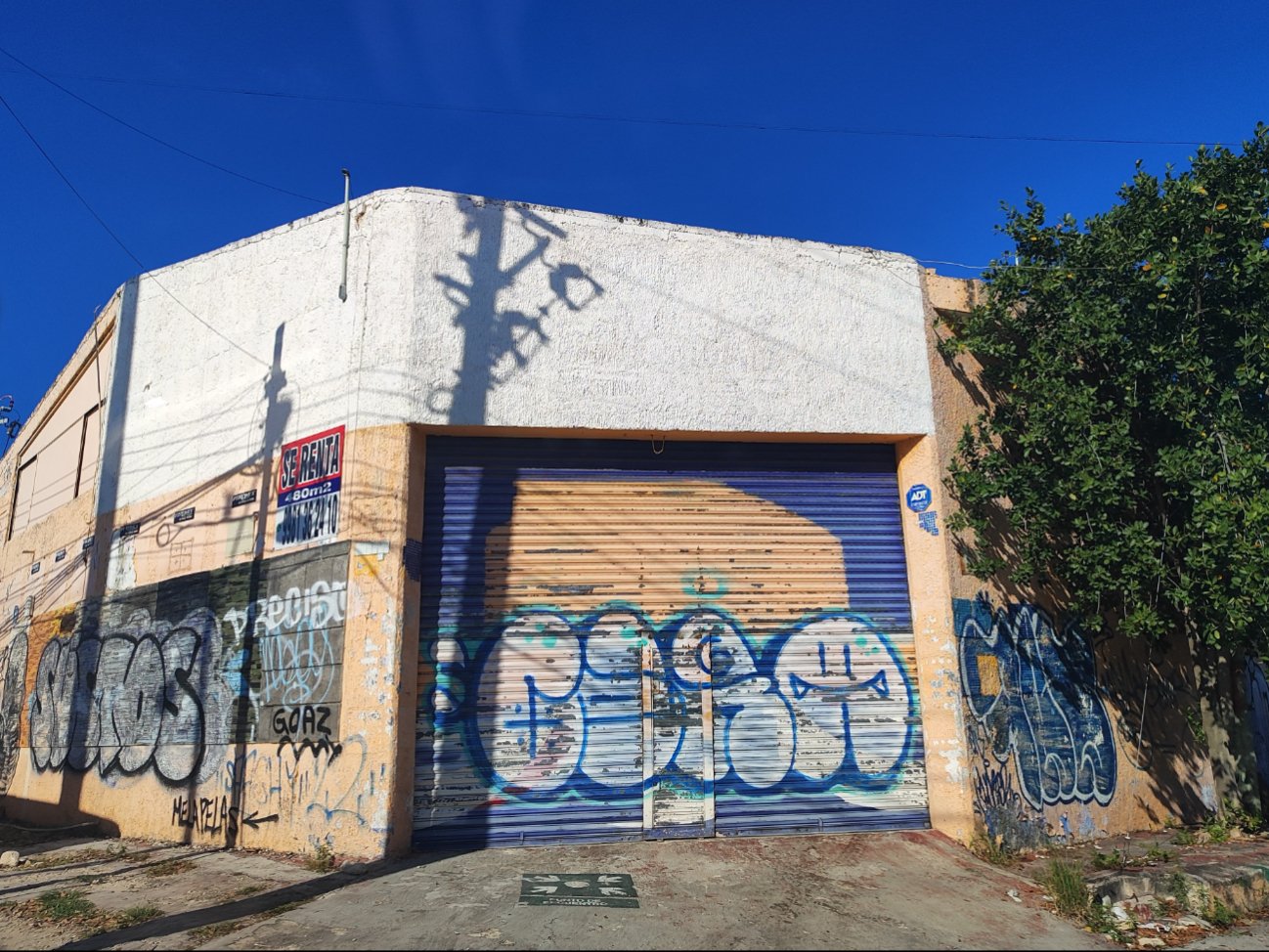
Cancún, Quintana Roo — In Cancún, there are at least 11 red flags for investing due to the insecurity recorded in these zones, including the city center, where opening a business has become a risk for those seeking to invest, and property owners also face problems as there is no one to rent their premises to.
Some merchants acknowledged that business closures are concentrated in neighborhoods with high commercial activity and presence of micro-businesses, where extortion, insecurity, and low profitability hit hardest.
They indicated, on condition of anonymity due to the fear it generates, that in the first block of the city, supermanzanas such as 21, 22, 23, 24 and 25, areas that were previously the “heart of Cancún” like Yaxchilán Avenue, have been among the most affected in recent years and appear deserted with shutters down.
Other affected areas are regions 92 and 95 with intense nighttime activity, but also in Regions 219 and 221, where informal small businesses abound with minimal profit margins and any external pressure causes business closures.
Stores, workshops, eateries, and beauty salons ceased operations since mid-2025. Historic establishments, small restaurants, and service businesses have lowered their shutters, mainly due to high costs, insecurity, and falling local consumption. “We didn’t close due to lack of customers, we closed out of fear, it’s working for them, it’s many years of sacrifice to find yourself needing to close overnight,” recounted a merchant from Region 95 who decided to close in 2025.
Outside the first block of the city, there are areas like regions 100 and 101, where there is a high concentration of small shops, workshops, eateries, beauty salons, and family businesses, and several premises remain closed or for rent since mid-2025.
Small establishments with minimal profits went bankrupt. But outside Cancún, the phenomenon replicates in other key points of the state:
Playa del Carmen: closures of small restaurants, bars, and businesses linked to local tourism, especially outside Fifth Avenue. In Tulum, the number of vacant premises increased due to rising rents and insecurity.
As published in the previous edition, according to data from the National Institute of Statistics and Geography (Inegi) and business reports, 3,442 businesses in Quintana Roo were closed, and the sectors with the highest number of closures correspond to those with less financial protection and greater exposure to crime: grocery stores, miscellaneous shops, stationery stores, and mini-supermarkets, plus family businesses with limited daily income such as: eateries, taco stands, or budget kitchens.
Authorities from the Quintana Roo Secretariat of Citizen Security (SSC) recently reported that, from January to December 2025, just over 7,000 reports to 911 were counted, of which around 2,000 were for illegitimate collection through threats and telephone extortion (not mentioning in-person extortion by alleged members of criminal groups). The lack of complaints remains one of the main obstacles to quantifying the real impact of extortion, leaving official figures far below business perception.
It is unknown how many entrepreneurs or small merchants migrated from the entity due to their business closures, but what is visible on the streets are closed shutters, empty premises, and “for rent” signs, especially in popular areas and secondary commercial corridors.
Discover more from Riviera Maya News & Events
Subscribe to get the latest posts sent to your email.